

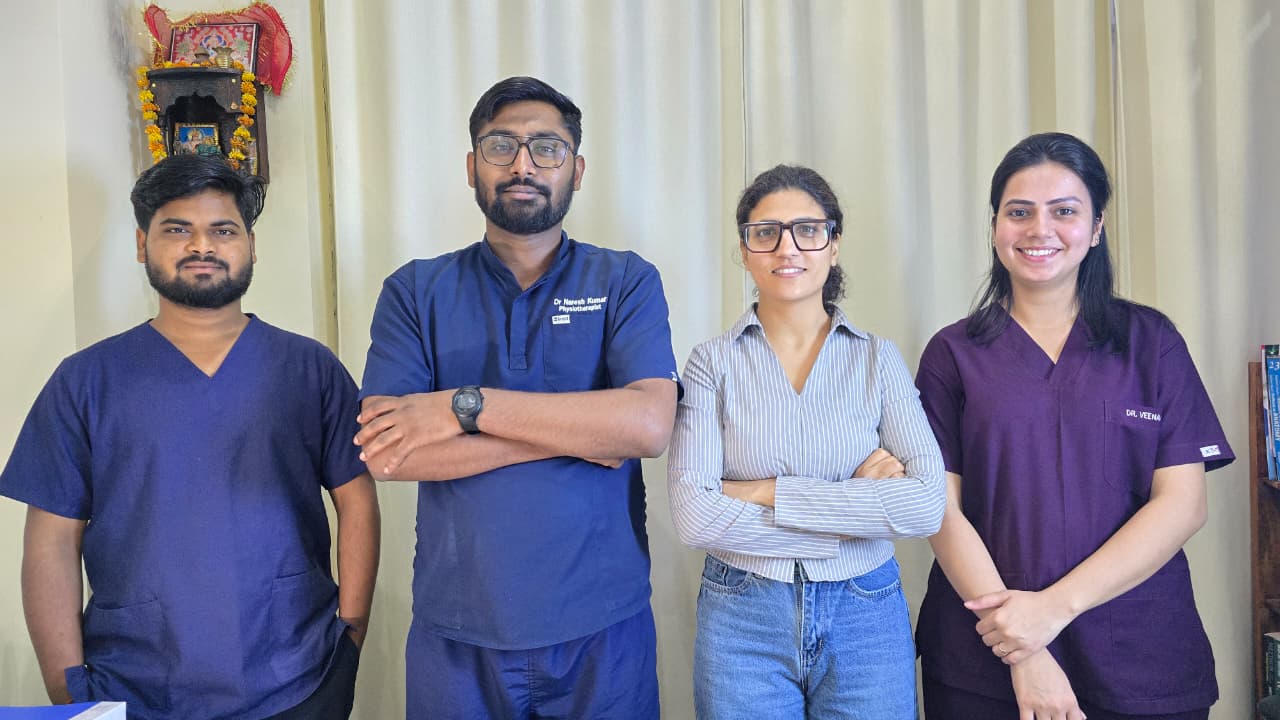
Charu Bhatia, Senior News Editor, Business Remedies, in conversation with Dr. Naresh Kumar, Founder of Kiva Physiotherapy Clinic
As lifestyles become increasingly sedentary and screen-driven, musculoskeletal pain and mobility issues are emerging as some of the most common health concerns across age groups. In this evolving healthcare landscape, physiotherapy has moved far beyond its earlier perception of being limited to massages or post-injury care, becoming a science-backed, evidence-based discipline focused on restoring movement and improving quality of life. In this in-depth conversation, Dr. Naresh Kumar, founder of Kiva Physiotherapy Clinic in Jaipur, reflects on his journey in building a patient-centric practice and sheds light on how physiotherapy is transforming modern rehabilitation. From treating sports injuries and lifestyle disorders to exploring the role of AI in recovery planning, he discusses the growing scope of the field, the challenges physiotherapists face in India, and his vision of creating a pain-free future through awareness, education, and preventive care.
Q: You run Kiva Physiotherapy Clinic in Jaipur. How has your journey been so far?
A: My journey in physiotherapy has been deeply shaped by the belief that movement is medicine. Every joint in the body has a specific range of motion, and when that movement is restricted, it often leads to pain, inflammation, and long-term complications. Physiotherapy focuses on restoring this natural movement through a scientific understanding of anatomy, physiology, and biomechanics.
When I first entered college, the field did not seem as expansive as it does today. Opportunities appeared limited, and awareness about physiotherapy was relatively low. However, as my course progressed, I gained exposure to its wide-ranging applications. That’s when I realized the immense value of this profession, how targeted exercises and rehabilitation can reduce pain and improve quality of life without excessive reliance on medication.
Physiotherapy plays a crucial role across multiple medical areas. We work with orthopedic conditions, neurological rehabilitation, post-operative recovery, cardiac rehabilitation, and even respiratory conditions like COPD, where physiotherapy helps clear mucus and improve breathing. In sports, physiotherapy is indispensable for managing injuries and enabling athletes to continue performing safely.
My inspiration to enter this field came after watching a motivational talk by Sandeep Maheshwari about the scope of physiotherapy as a career. That sparked my interest, and since then, the journey has been both challenging and rewarding.
Q: What makes Kiva Physiotherapy different from other centres?
A: At Kiva Physiotherapy, we focus strongly on identifying and treating the root cause of a problem rather than offering only temporary relief. Our approach begins with understanding how the issue developed and then designing exercise-based rehabilitation tailored to each patient.
Another important aspect of Kiva is education and training. We mentor aspiring physiotherapists who want to develop their skills and explore career opportunities. We also provide online classes, making physiotherapy knowledge accessible beyond geographical boundaries.
We have treated patients across all age groups, from children to senior citizens, and have witnessed remarkable outcomes. In cases like spinal cord injuries and nerve damage, structured exercises can significantly improve recovery. We have many examples of patients who avoided surgery through physiotherapy. Athletes with serious conditions like disc bulges have gone on to win medals after rehabilitation. Our goal is simple: to help people live pain-free and perform at their best.
Q: How has physiotherapy evolved over the years?
A: Earlier, physiotherapy was often misunderstood as just massage therapy. Today, it is being increasingly accepted as an evidence-based and research-driven discipline. There is growing public awareness about its importance in managing both acute and chronic pain.
Technological advancements have also transformed the field. Modern tools and advanced assessment techniques allow physiotherapists to diagnose and treat conditions more effectively. Today, rehabilitation plans are designed after a comprehensive evaluation of the body, ensuring that the underlying cause of pain is addressed. This shift towards scientific, personalized treatment has significantly improved patient outcomes.
Q: How is the modern lifestyle contributing to increased body pain?
A: Today’s lifestyle plays a major role in the rise of musculoskeletal problems. After COVID-19, many jobs shifted online, leading to prolonged sitting and reduced physical activity. This has resulted in a surge in cervical and lower back pain.
Increased mobile phone usage and screen time have worsened posture-related issues. Students and professionals spend long hours consuming digital content at one position, which weakens muscles over time. When the body crosses its tolerance threshold, pain begins to appear. Poor biomechanics, especially among IT professionals, has led to a growing number of neck and lumbar spine problems.
Q: What role do you see technology and AI playing in physiotherapy?
A: AI has the potential to revolutionize physiotherapy. It can analyze patient data, generate reports, and reduce human error in assessments. In the coming years, AI could even help design rehabilitation programs based on injury patterns and recovery progress.
It also helps in analyzing injury angles and movement patterns, enabling more precise treatment. Over the next decade, AI will likely become an essential tool in physiotherapy practice.
Q: What challenges do physiotherapists face today?
A: One major challenge is the lack of a well-organized national council for physiotherapists. There is also limited recognition of physiotherapists as healthcare professionals. Many people believe only those who prescribe medicines or perform surgeries are doctors.
However, physiotherapists are trained to assess conditions, identify root causes, and design rehabilitation plans. A Kerala High Court judgment even permitted physiotherapists to use doctor as a prefix. Still, awareness and recognition need improvement.
Q: What are the most common conditions you treat?
A: We frequently treat cervical pain, disc bulges, spinal cord issues, sports injuries, ankle and foot problems, and pediatric conditions like cerebral palsy. We also help patients with frozen shoulder related to diabetes and thyroid disorders. Many of these conditions can be effectively managed through physiotherapy.
Q: What is your future vision regarding the centre and please throw light on the future of physiotherapy in India also?
A: For the future of my clinic, my foremost aim is to spread greater awareness among people and help patients across India live and enjoy a pain-free life. I would also like to build a strong and highly skilled team of physiotherapists who specialize in different areas of the body, such as orthopaedic, neurological, paediatric and geriatric care, so that patients can receive focused and expert treatment under one roof. If I talk about the future of physiotherapy, I believe it is extremely bright. Its importance is increasing across every field, and with the rise in research, physiotherapists are gaining more exposure and continuously expanding their knowledge base. In sports, injuries such as ACL tears, disc bulges and tendon injuries are very common, and in many cases, athletes perform even better than before after undergoing physiotherapy sessions and proper treatment. This clearly shows the huge scope of physiotherapy in the sports industry. Rehabilitation plans in physiotherapy are designed in phases, starting with pain relief, then restoring movement, and finally rebuilding strength. Preventive injury programmes are also gaining popularity among gym-goers and sports enthusiasts so that injuries can be avoided even before they occur. Special assessments are conducted to ensure accurate diagnosis and effective treatment.
Q: What are your views on government’s support for physiotherapy?
A: The government’s attitude towards physiotherapy is not very encouraging at present. There is no dedicated council for physiotherapists in Rajasthan, and job opportunities are extremely limited. Even when vacancies exist, they are mostly at the central level. Many physiotherapists are hired on a contractual or tender basis and are paid comparatively low salaries. As a result, most professionals are left with the option of opening private clinics or working in hospitals. Unfortunately, physiotherapists often face exploitation in terms of lower pay despite long working hours. This disparity is one of the key reasons why India is losing many talented physiotherapists to opportunities abroad. If physiotherapists receive the recognition and remuneration they deserve, healthcare services in India will improve significantly.
Q: Lastly, what message would you like to give to aspiring physiotherapists?
A: I would like to tell aspiring physiotherapists that this field has tremendous scope and offers endless opportunities to learn and grow. Like any other profession, physiotherapy can provide career satisfaction, recognition and financial stability, provided one has the right mindset and perspective. Students who have studied science with biology in senior secondary school can directly pursue physiotherapy. During the early years of college, some students may feel that this field has limited value, but this is not true. The initial years of study are extremely important as they build the foundation for the entire subject. I encourage students to stay focused, study with dedication and develop a strong understanding of the basics, as this will shape their future success in the profession.