
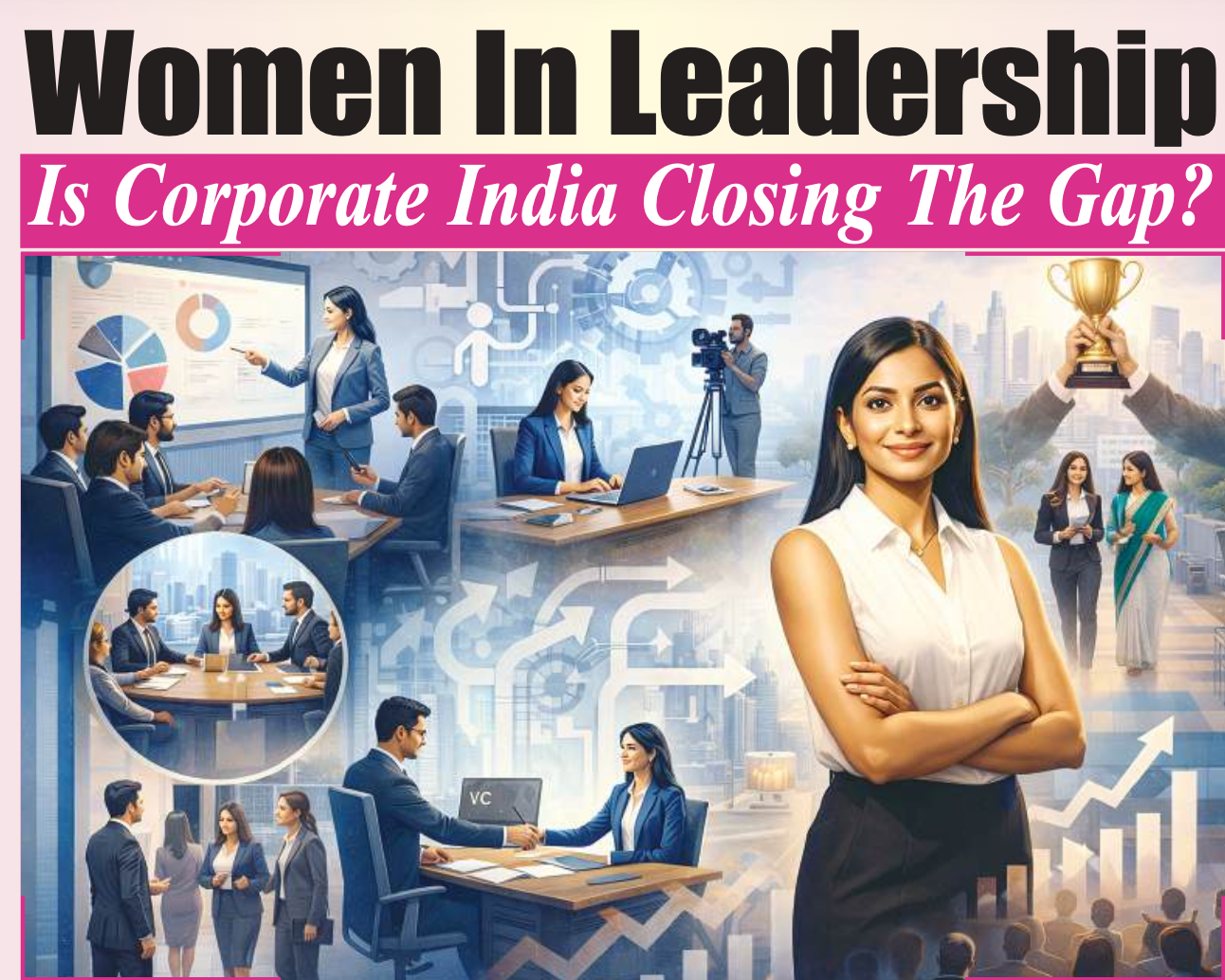
Charu Bhatia | Business Remedies | Corporate India has made visible strides in improving gender diversity over the past decade, but the question remains: is the leadership gap truly narrowing, or merely shifting shape?
Boardroom representation has improved significantly since regulatory mandates required listed companies to appoint at least one woman director. According to recent industry reports, women now occupy a higher share of board seats than ever before. However, deeper analysis reveals that executive leadership, particularly CEO, CFO and business head roles, continues to be disproportionately male-dominated.
The pipeline challenge remains a critical barrier. While entry-level hiring across sectors such as banking, consulting, technology and FMCG shows near gender parity, representation thins out at middle and senior management levels. Career breaks due to caregiving responsibilities, limited access to high-visibility assignments and unconscious bias in promotion cycles contribute to this attrition.
That said, momentum is building. Several large corporates have introduced structured leadership development programmes specifically for women. Return-to-work initiatives, mentorship networks and sponsorship models are gaining traction. Companies are also linking diversity targets to executive performance metrics, signalling a shift from symbolic inclusion to measurable accountability.
The rise of women-led enterprises and startup founders is another encouraging trend. India has seen a steady increase in women entrepreneurs across sectors such as fintech, beauty, health-tech and D2C brands. Venture capital firms, too, are beginning to create funds dedicated to backing women founders, though funding gaps persist compared to male-led ventures.
Hybrid work models have further reshaped the conversation. Flexible policies have improved workforce participation in certain sectors, enabling more women to balance professional and personal responsibilities. However, experts caution that flexibility alone does not guarantee leadership progression unless accompanied by equitable evaluation frameworks.
Investor sentiment is also influencing boardroom decisions. Global institutional investors are increasingly scrutinising diversity metrics as part of ESG evaluations. Companies with stronger gender representation in leadership often correlate with improved governance perceptions and long-term value creation.
While progress is undeniable, structural transformation takes time. Closing the leadership gap will require sustained commitment, from inclusive hiring and succession planning to cultural shifts within organisations. Corporate India appears to be moving in the right direction, but parity at the top remains a work in progress. The next phase will test whether diversity efforts translate into durable leadership equity rather than compliance-driven representation.