
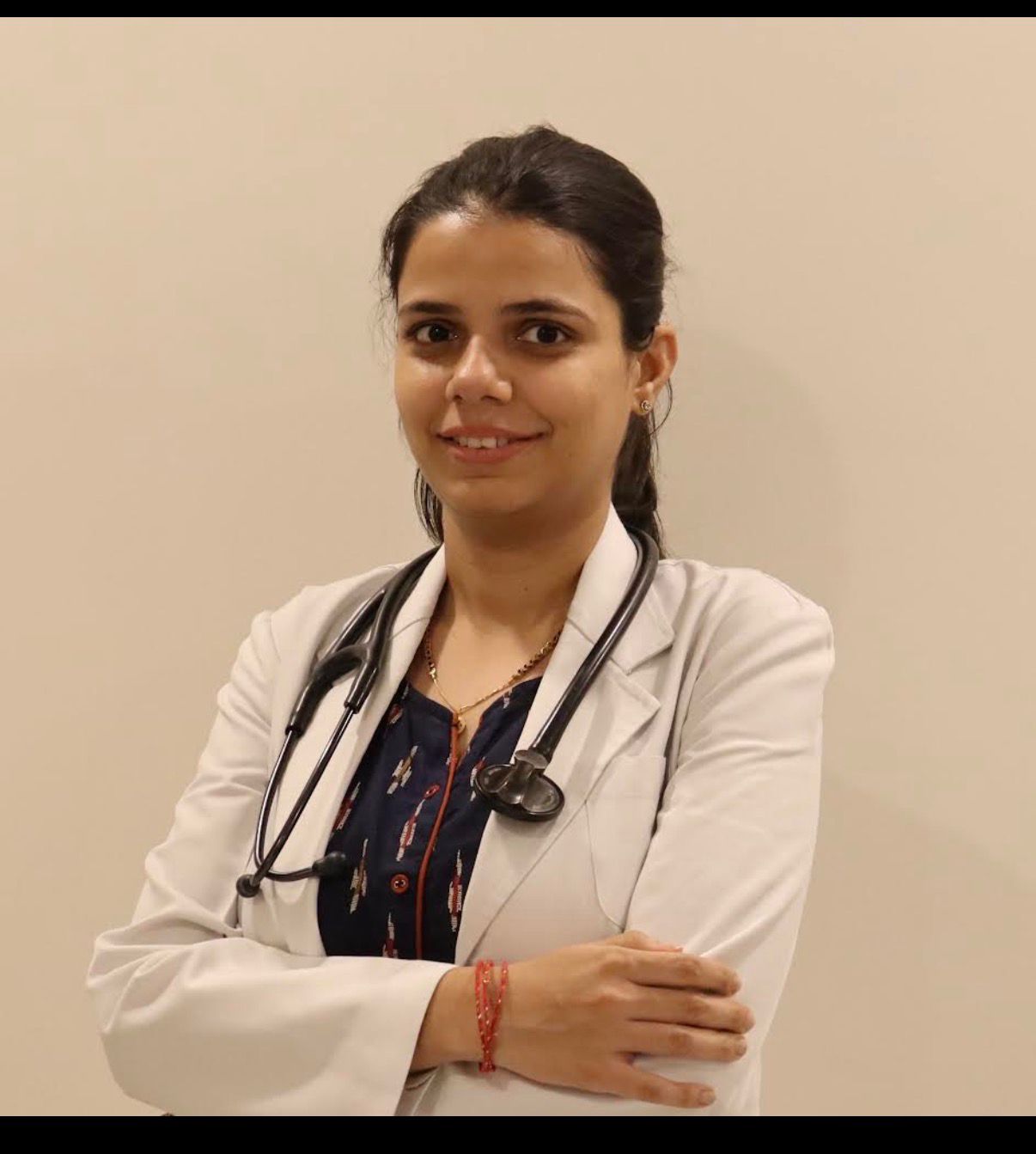
Charu Bhatia, Senior News Editor, Business Remedies, in conversation with Dr. Yashaswi Pathak, Endocrinologist, JNU Hospital, Jaipur
Behind every medical professional lies a story of determination, curiosity, and purpose. In this insightful conversation, Dr. Yashaswi Pathak, an endocrinologist from JNU Hospital, Jaipur, reflects on a journey that began with childhood fascination and evolved into a lifelong commitment to hormonal health and patient care. From choosing biology against expectations to training across the country and embracing a specialty often overlooked, Dr. Yashaswi shares experiences, challenges, and aspirations while shedding light on the growing importance of endocrinology in modern healthcare.
Question: You are a successful endocrinologist at JNU Hospital. Please throw light on your journey so far and your inspiration.
Answer: As far back as my earliest memories stretch, the aspiration to become a doctor has been deeply ingrained in my mind. Growing up in a non-medical family, my inclination towards medicine often surprised those around me. Unlike many children who associate hospitals with fear or discomfort, I was fascinated by doctors.
Interestingly, I was exceptionally good at mathematics during my school years, while biology was initially a subject I struggled with. My father, an engineer, naturally hoped that I would follow a similar path, especially since my sister had already pursued engineering. However, despite my academic comfort with numbers, my heart was firmly set on medicine. I consciously chose biology, even though it demanded more effort and persistence from me. My parents and my sister have been a constant source of support throughout my journey and decision to become a doctor. I truly would not have been able to achieve this without them. My husband, Dr. Lekhraj Choudhary, has been an anchor throughout this journey and continues to be a constant source of support.
I take immense pride in being the first doctor in my family. My academic journey has been geographically diverse and intellectually enriching. I completed my undergraduate medical studies in Mangalore, which exposed me to a wide cultural and academic environment. Later, I pursued my postgraduate studies in Prayagraj, where my interest in endocrinology began to solidify. My super-specialization (DM) in Endocrinology was completed in Kolkata, a city that offered rigorous training and invaluable clinical exposure. In 2022, I joined JNU Hospital, Jaipur, as an endocrinologist and assistant professor in the Department of Endocrinology. Since then, I have devoted myself to patient care, academic teaching, and clinical research.
Question: What does the field of endocrinology comprise?
 Answer: Endocrinology is one of the most fascinating yet under-recognized branches of medicine. At its core, it revolves around hormones, the body’s chemical messengers that regulate almost every physiological process. When these hormones become imbalanced, the effects can be far-reaching and multifaceted, often impacting multiple organs simultaneously.
This specialty encompasses a broad spectrum of disorders, including diabetes, thyroid diseases, obesity, metabolic syndrome, adrenal disorders, pituitary diseases, and bone health conditions such as osteoporosis. Over the years, endocrinology has expanded significantly to include metabolic and lifestyle-related illnesses, which are increasingly prevalent in modern society.
In women, endocrinology plays a vital role in addressing conditions such as polycystic ovary syndrome (PCOS), infertility, menstrual irregularities, menopause, and hormonal disturbances affecting reproductive health. While gynecologists manage reproductive health from a structural perspective, endocrinologists focus on the hormonal mechanisms underlying these issues. Besides female hormonal and reproductive health, endocrine also deals with men’s reproductive and sexual health, pubertal diseases, growth delay and so on.
One of the most challenging aspects of endocrinology is that hormonal disorders often develop silently. Symptoms may remain subtle for years before manifesting as significant health issues. This makes early screening and preventive care critically important, particularly for individuals with a family history of diabetes, thyroid disease, or metabolic disorders.
Question: How do you see the role of technology in endocrinology?
Answer: Technology has revolutionized endocrinology in remarkable ways. In the past, monitoring blood glucose levels required frequent and uncomfortable finger pricks. Today, portable glucometers allow patients to monitor their blood sugar levels conveniently at home. Even more transformative are continuous glucose monitoring (CGM) systems, which provide real-time data throughout the day and night, enabling better disease management and improved patient outcomes.
For children with Type 1 diabetes, insulin pumps have emerged as life-changing innovations. These devices provide precise and continuous insulin delivery, reducing the burden of multiple daily injections and enhancing quality of life. Although affordability remains a challenge, ongoing advancements are gradually making such technologies more accessible. Digital health applications and telemedicine have also made patient monitoring and consultation more efficient and patient-friendly.
Question: What is the role of lifestyle in maintaining hormonal balance?
Answer: Lifestyle plays a pivotal role in hormonal health. India is often referred to as the diabetes capital of the world, and lifestyle choices are a major contributing factor. Sedentary habits, excessive screen time, poor dietary patterns, and high consumption of processed foods have collectively contributed to the rise of metabolic disorders.
A balanced diet is fundamental. Many individuals consume diets high in fats but deficient in protein, especially vegetarians. Ideally, protein should constitute 20–25% of daily caloric intake. Excellent vegetarian protein sources include curd, paneer, tofu, soy, and legumes. Regular physical activity is equally essential in maintaining hormonal balance and metabolic health.
Environmental factors also play a role. Exposure to endocrine disruptors, such as pesticides and chemicals in food, may contribute to early puberty and hormonal disturbances. The early onset of menstruation in young girls is an emerging concern and often warrants medical evaluation.
Question: Every third female struggles with PCOS. What is this condition?
Answer: Polycystic Ovary Syndrome (PCOS) is a metabolic and hormonal disorder that remains surrounded by stigma and misinformation. It is characterized by multiple cysts in the ovaries, irregular menstrual cycles, and elevated androgen levels. PCOS can lead to infertility, obesity, insulin resistance, hypertension, and diabetes. Increasing awareness and encouraging open discussions about women’s health are essential for early diagnosis and effective management.
Question: How do sleep and stress impact hormonal health?
Answer: Sleep and stress share a profound and interconnected relationship. Poor sleep elevates stress hormones such as cortisol, which disrupts the body’s hormonal equilibrium. Chronic stress can impair metabolism, increase weight gain, and worsen existing endocrine disorders. Practicing yoga, meditation, maintaining a balanced diet, and ensuring adequate sleep are key strategies for preserving hormonal health.
Question: What myths exist about hormonal health?
Answer: Several misconceptions persist. One widespread myth is that Type 1 diabetes can be cured—this is incorrect; it can only be managed. Another misconception is that medications alone can eliminate diabetes and once diabetes is under control, medications can be stopped. The reality is that lifestyle changes, especially those leading to weight loss, can cause diabetes to go in remission but medications should be stopped only under advice of treating doctor.
Question: What is your future vision?
Answer: My vision is to bring endocrinology into the mainstream and eliminate the stigma associated with hormonal disorders. I strongly advocate for regular screening, early diagnosis, and increased public awareness to prevent long-term complications.
Question: What message would you give aspiring endocrinologists?
Answer: Endocrinology is a dynamic and intellectually stimulating specialty that spans the entire human lifespan—from birth and growth to aging and metabolic health. With dedication, perseverance, and compassion, aspiring endocrinologists can make a profound and lasting impact on patients’ lives.