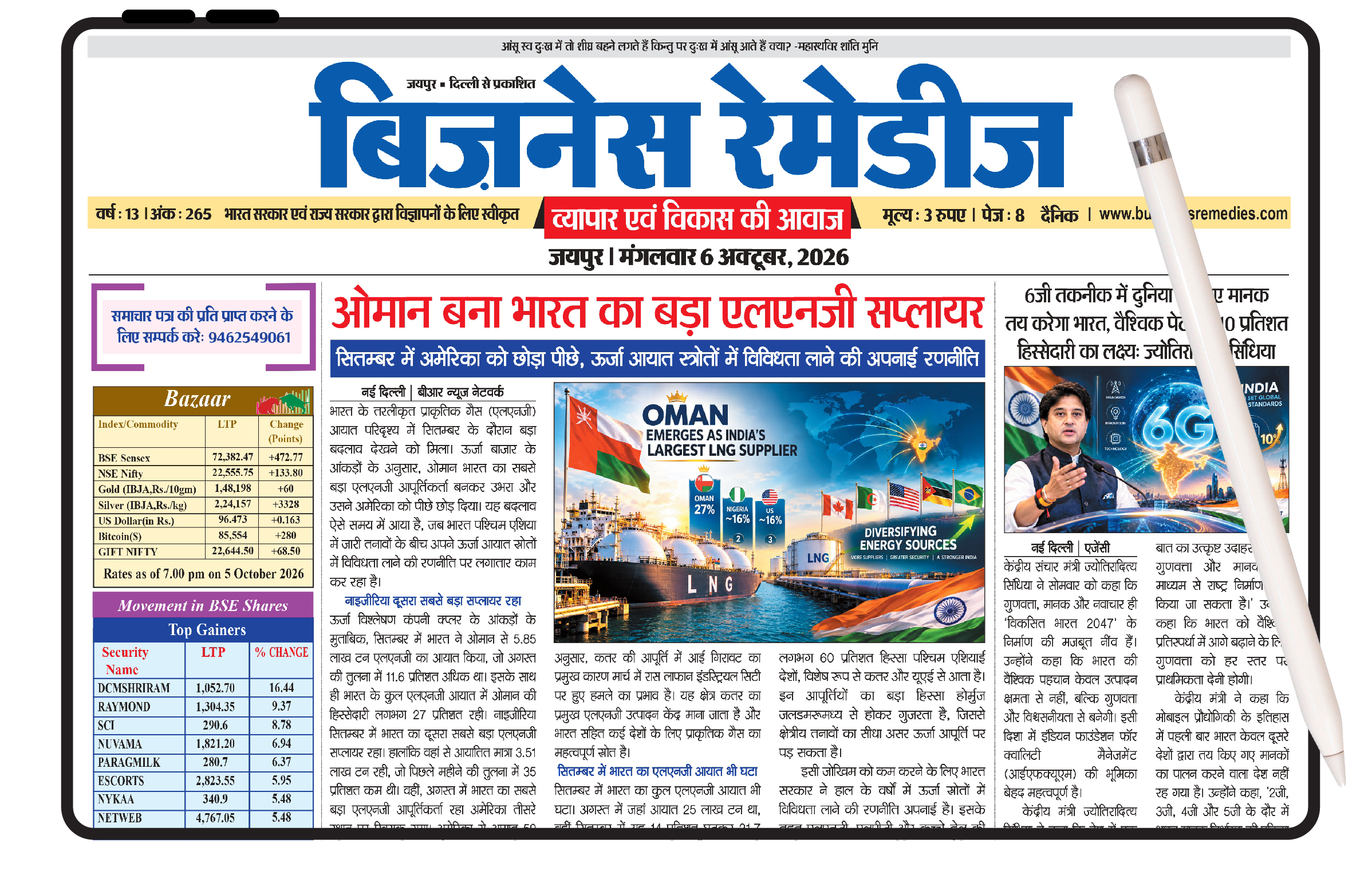


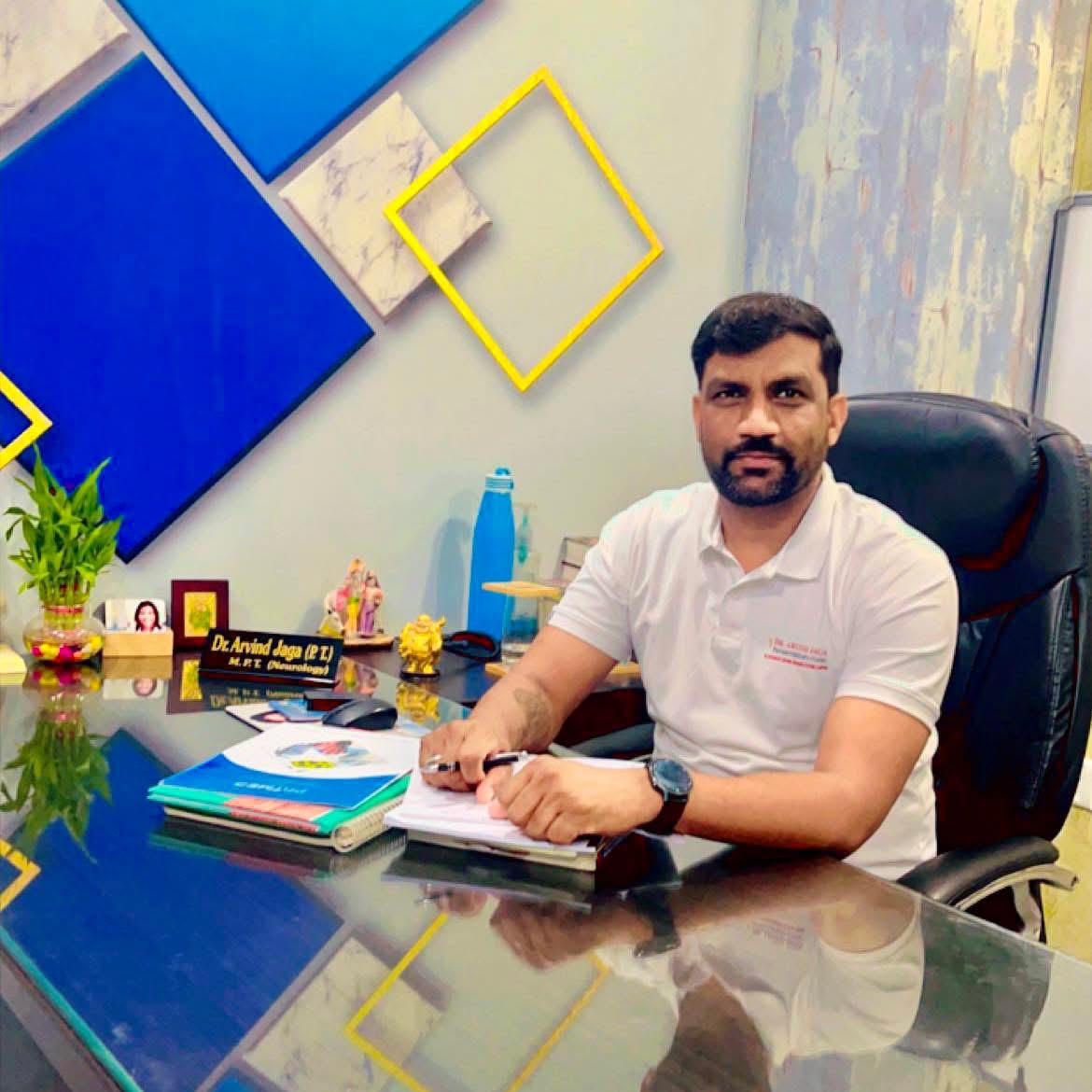
Charu Bhatia, Senior News Editor, Business Remedies, in conversation with Dr. Arvind Jaga, Founder of Jaga Physiotherapy and Neuro Rehabilitation Centre
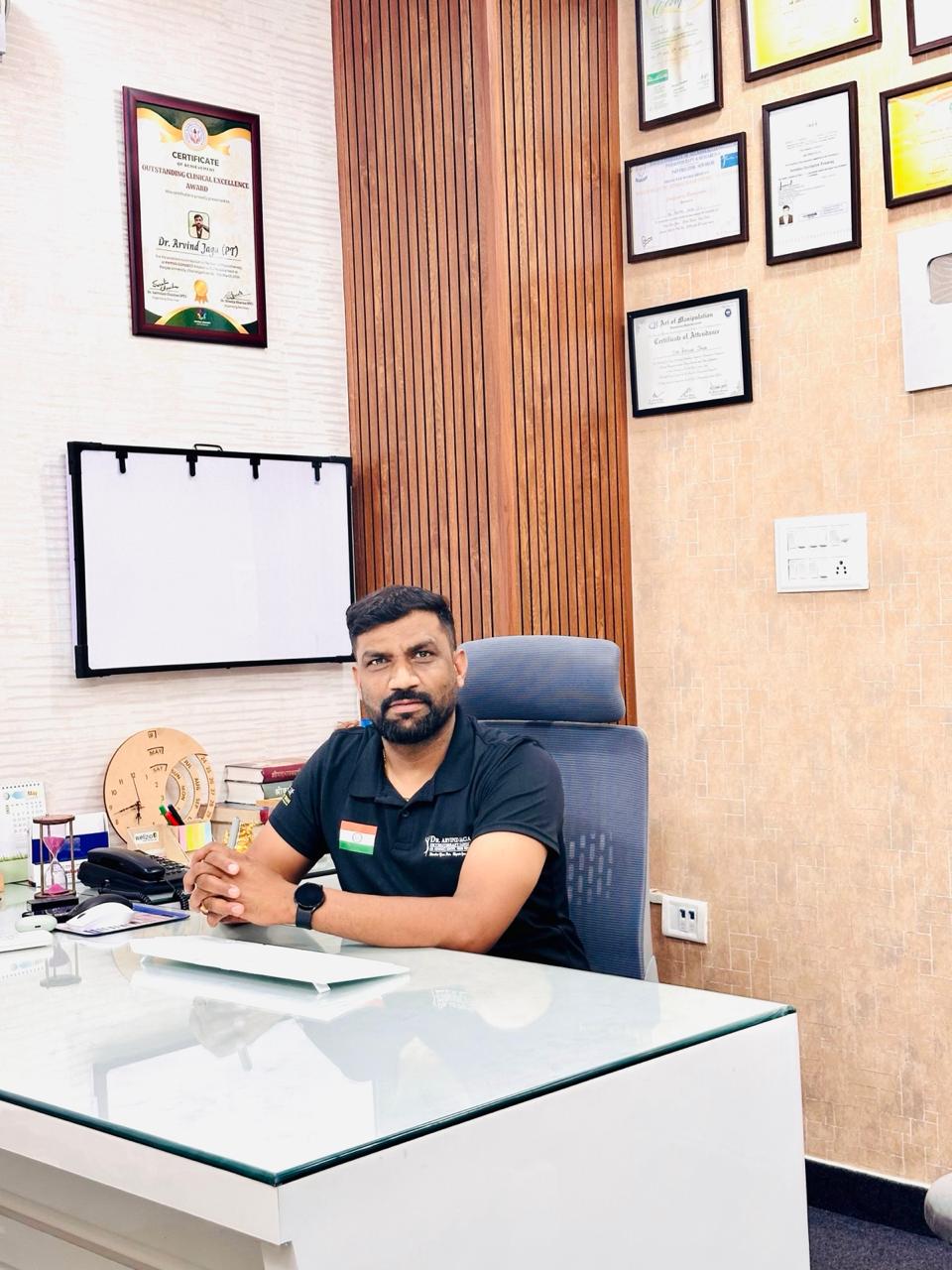
In today’s fast-paced, screen-focused world, spine and orthopaedic problems are affecting people of all ages, from young children to senior citizens. Dr. Arvind Jaga, a renowned physiotherapist and founder of Jaga Physiotherapy and Neuro Rehabilitation Centre in Jaipur, has treated patients from across India and internationally. In this interview, he shares why spine issues are on the rise, how personalized rehabilitation plans help patients regain mobility and strength, and the advanced therapies that are changing the way care is delivered.
Question: You have dealt with so many patients in Jaipur, not just local patients, but interstate and even international patients. What do you find about how patients perceive spine problems and why they suffer from them?
Answer: Well, the answer primarily lies in lifestyle. Around 48 percent of people experience back pain at least once in their lives, and the prevalence is increasing due to postural problems. Sedentary lifestyles, lack of exercise, inadequate physical activity, and unbalanced diets contribute heavily. Deficiencies in essential vitamins like D and B12 can weaken bones and nerves, making people more prone to injuries and chronic spine issues.
Another important observation is the age shift in patients suffering from slip disc. Previously, this was largely a problem in people in their thirties, but now we are seeing children as young as 10 to 12 years old with these issues. Screen time is a significant factor here, children spend hours on phones, tablets, and computers. Moreover, heavy school backpacks worsen the problem. Studies indicate that backpack weight should only be 7-10% of a child’s body weight, but this guideline is rarely followed.
For adults, lifestyle factors like obesity play a major role. Many gain weight due to inactivity and then strain themselves in gyms while trying to lose fat, overloading their muscles and spine. The modern tech-driven work culture also contributes, as employees spend long hours in front of screens, leading to cervical and postural problems. Dehydration is another often-overlooked factor; long hours of sitting dull the body’s sense of thirst, worsening muscular and joint health.
Question: How do you assess a patient’s status and design a personalized rehab plan, considering you treat patients from all over the world?
Answer: Every patient is unique, so personalization is key. For instance, I recently treated a doctor from London who is the HOD of Emergency Medicine in a hospital there; he slipped on ice and needed physiotherapy to regain knee mobility. We start by evaluating the patient’s physical condition, age, range of movement, pain levels, and occupational hazards. Only after thorough assessment do we design a personalized treatment plan.
Take spine issues like slip disc, they occur in four stages, and correctly identifying the stage is crucial. Similarly, different musculoskeletal and neurological problems require specific approaches. A detailed evaluation ensures that the patient receives the most suitable therapy, avoiding generic or ineffective treatments.
Question: Which therapies do you frequently use and why?
Answer: We employ a variety of advanced therapies, including Robotic Physiotherapy, Robotic Spinal Decompression, Magneto Therapy, and manual therapy. Physiotherapy and exercises form the foundation of our treatment, and in severe cases, advanced techniques are incorporated. Our goal is to reduce pain while allowing the body to heal naturally.
We also conduct ultrasounds and scan analyses to determine the most effective therapy for each patient. The rehab process focuses on restoring muscle mobility, strengthening muscles, and preventing surgeries. In fact, we have successfully prevented around a lakh of spine surgeries through conservative and personalized treatment.
Question: How do you monitor and measure patient progress during rehab?
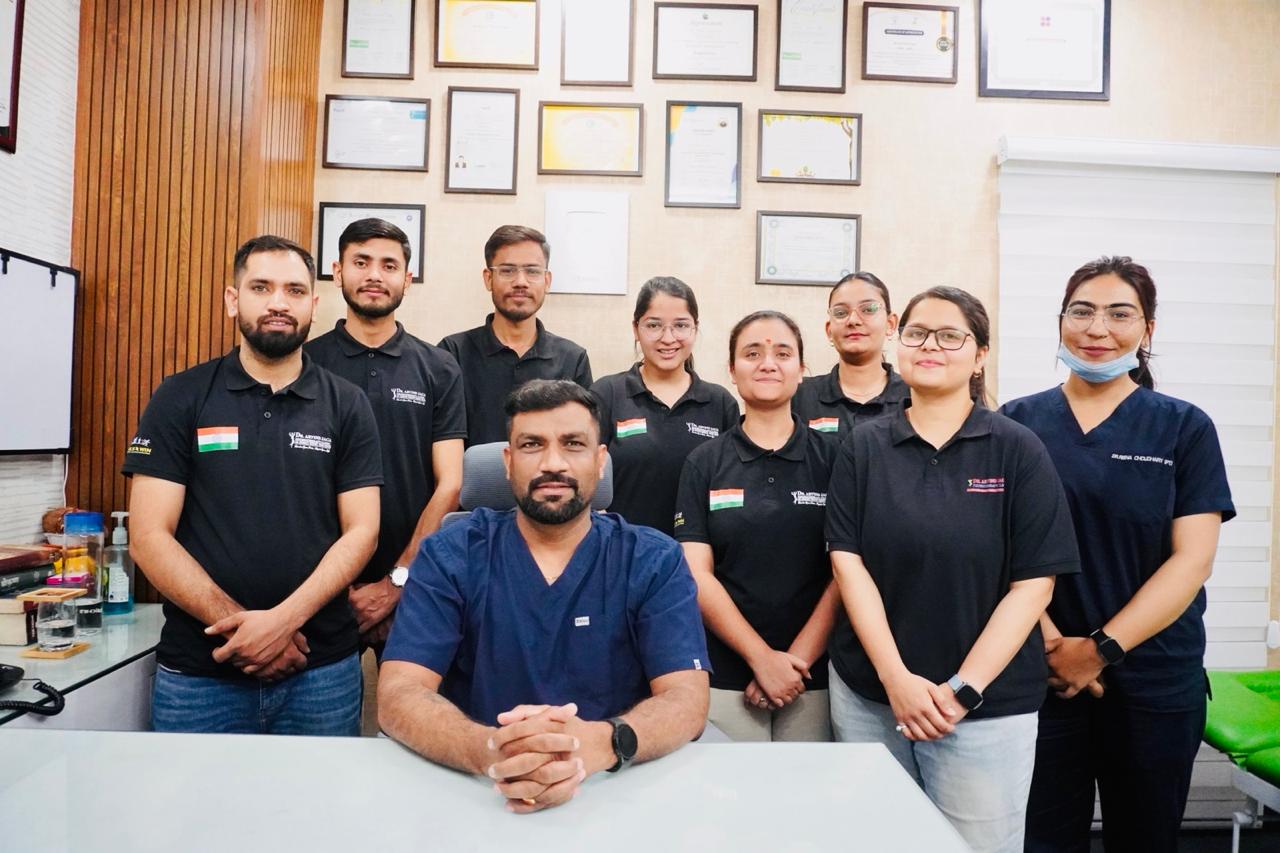
 Answer: Monitoring is continuous. From the initial assessment through each session, we track progress meticulously. Exercise protocols differ: mild cases may require a week, while more severe cases may take a month or longer. We maintain detailed records, and a dedicated team of physiotherapists, led by two HODs reporting directly to me, ensures that patient outcomes are closely followed.
Question: How do you educate patients about home exercises and lifestyle modifications?
Answer: I emphasize the importance of dedicating at least one hour a day to exercise. Hydration, balanced nutrition, and proper rest are equally crucial. I also warn patients against non-certified practitioners, like rural pahalwans, who may worsen the problem. Post-injury care is vital, cold compressions should be applied for the first 48 hours to control inflammation, while hot compresses should be avoided initially. Massages should not be advocated in cases of pain and injury. These steps, combined with patient education, prevent long-term complications and aid faster recovery.
Question: Please tell us about your research during your fellowship.
Answer: My research focuses on developing a personalized therapy system that merges manual therapy with spinal decompression techniques. The aim is to create protocols tailored to individual patient needs, enhancing recovery outcomes and improving mobility without invasive procedures.
Question: How do you approach mentorship and leadership in your hospital?
Answer: The hospital has two main departments, Ortho and Neuro, each headed by a HOD reporting to me. We have 27 certified therapists under their supervision. My role is to intervene only when issues arise. This structured hierarchy ensures efficient workflow and consistent patient care while fostering accountability and professional growth among staff.
Question: What are common neuroplasticity principles, and how do you apply them clinically?
Answer: Neuroplasticity is the brain’s ability to reorganize itself, forming new neural connections to adapt, learn, and recover from injury. Clinically, we use repetitive exercises and targeted therapies to retrain the nervous system. This allows patients with neurological deficits to regain function as their brain learns new pathways, supporting recovery from injuries or surgeries.
Question: How do you handle patients experiencing negative emotions, fear, or anxiety during rehab?
Answer: The first step is building trust and confidence. I listen to the patient attentively, absorb their perspective, and try to understand their emotions. Instead of imposing my views, I aim to empathize. Emotional support is as critical as physical rehabilitation because a patient’s mindset can significantly influence recovery outcomes.