
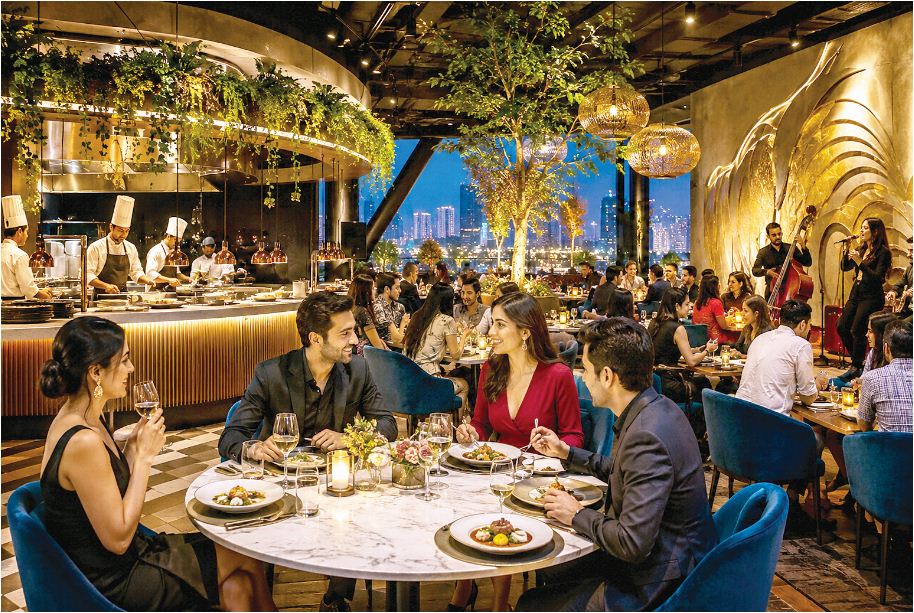
Jaipur | Charu Bhatia | Hotels and restaurants are increasingly moving beyond traditional dining formats and turning meals into immersive experiences to attract customers and boost revenues. From chef-led tasting menus and live kitchens to themed décor, music-led evenings, and wellness-focused dining concepts, experiential dining is emerging as one of the hospitality industry’s fastest-growing business trends. Industry experts say consumers today are not just paying for food, but for ambience, storytelling, exclusivity, and social-media-worthy experiences. This shift is especially visible in urban India, where younger diners are prioritising memorable outings over conventional luxury spending.
Hospitality brands are responding by redesigning dining spaces into curated lifestyle destinations. Luxury hotels are investing in rooftop lounges, chef’s table experiences, cultural food festivals, and interactive culinary events that encourage longer customer engagement and higher spending per visit. Restaurants are also introducing limited-edition menus, regional food showcases, and immersive concepts inspired by travel, cinema, or local culture. Many establishments are combining food with live music, art installations, mixology workshops, and wellness activities to create multi-sensory experiences that go beyond eating out. According to industry analysts, experiential dining helps hospitality businesses differentiate themselves in an increasingly competitive market. While food delivery and quick commerce continue to dominate convenience-driven consumption, dine-in spaces are focusing on emotional and social value to remain relevant.
The rise of social media has further accelerated this trend. Visually appealing interiors, dramatic plating styles, and unique dining formats are helping restaurants generate organic online visibility through customer-generated content. Viral food experiences often translate into stronger footfalls and repeat visits. Hotels, in particular, are monetising experiential dining by positioning restaurants as standalone attractions rather than support services for guests. Several premium properties are now attracting local residents for brunches, themed dinners, wellness cuisine, and seasonal culinary events, creating additional revenue streams beyond room bookings. The trend is also driving collaborations within the hospitality sector. Brands are partnering with celebrity chefs, beverage companies, luxury lifestyle labels, and artists to create exclusive dining events and pop-up experiences that attract affluent consumers.
Experts note that experiential dining also allows businesses to command premium pricing. Customers are often willing to spend more on curated experiences that combine entertainment, exclusivity, and personalised service. Technology is playing an important role as well. Restaurants are using digital reservations, AI-driven recommendations, projection mapping, and interactive menus to enhance customer engagement and streamline operations. As consumer preferences continue shifting towards experience-led spending, hospitality businesses are expected to invest further in immersive dining formats. Industry observers believe experiential dining is no longer a niche luxury trend but a strategic business model helping hotels and restaurants strengthen customer loyalty, expand revenue opportunities, and remain competitive in a rapidly evolving food and hospitality market.