


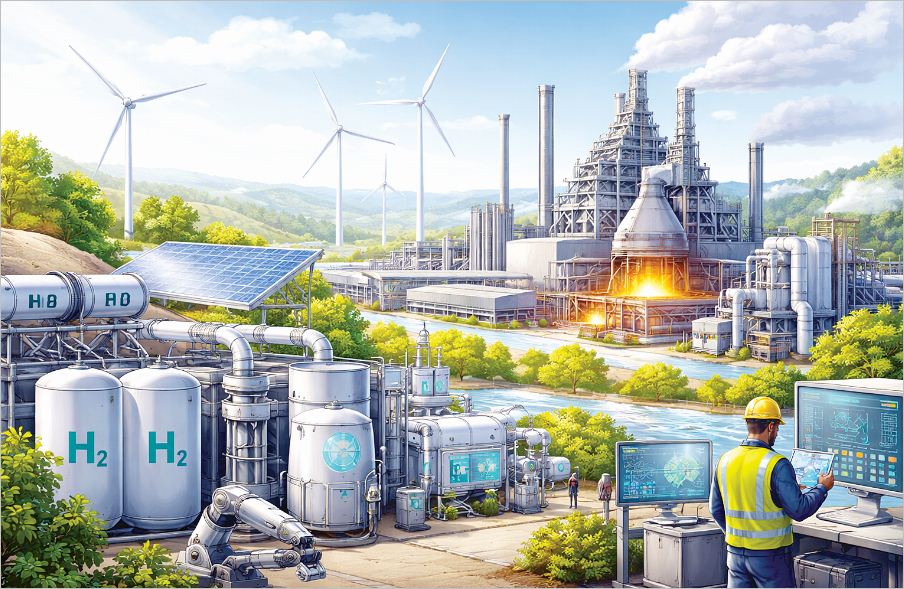
Charu Bhatia | Jaipur | Business Remedies | As global concerns about climate change intensify, heavy industries, traditionally among the largest contributors to greenhouse gas emissions, are under growing pressure to reduce their environmental footprint. Sectors such as steel, cement, chemicals, and energy production collectively account for a significant share of global carbon emissions. Today, however, many of these industries are undergoing a transformation known as industrial decarbonisation, aimed at lowering emissions while maintaining productivity and economic growth.
Heavy industries rely heavily on fossil fuels and energy-intensive processes, which historically made decarbonisation a complex challenge. Yet, technological innovation, regulatory policies, and corporate sustainability commitments are driving a shift towards cleaner production methods.
One of the most promising strategies is electrification of industrial processes. By replacing fossil-fuel-based heating systems with electric alternatives powered by renewable energy, companies can significantly reduce carbon emissions. Renewable electricity generated from solar, wind, and hydro sources is increasingly being integrated into manufacturing operations, helping industries transition towards low-carbon production.
Another emerging solution is green hydrogen, which is produced using renewable energy through a process known as electrolysis. In industries such as steel manufacturing, hydrogen can replace coal in the reduction process used to extract iron from ore. This method dramatically cuts carbon emissions, as the by-product of hydrogen-based processes is water vapour rather than carbon dioxide.
Carbon capture, utilisation, and storage (CCUS) is also gaining traction as a decarbonisation tool. This technology captures carbon dioxide emissions from industrial facilities before they enter the atmosphere. The captured carbon can either be stored underground or reused in other industrial applications, such as producing chemicals or building materials.
Digital technologies are playing an important role as well. Artificial intelligence, data analytics, and smart sensors allow companies to monitor energy consumption in real time, optimise production processes, and reduce waste. These innovations help industries operate more efficiently while lowering emissions.
Governments and international organisations are also supporting industrial decarbonisation through policy measures such as carbon pricing, emissions regulations, and green incentives. Many countries have introduced subsidies for renewable energy adoption and research into clean industrial technologies, encouraging businesses to invest in sustainable practices.
Despite these advancements, the transition remains challenging. Upgrading infrastructure, adopting new technologies, and securing renewable energy supply require significant investment. For many companies, balancing environmental responsibility with economic competitiveness remains a key concern.
Nevertheless, the momentum towards industrial decarbonisation continues to grow. As technology advances and climate commitments become more stringent, heavy industries are increasingly recognising that reducing carbon emissions is not just an environmental necessity but also a strategic business priority for the future.