
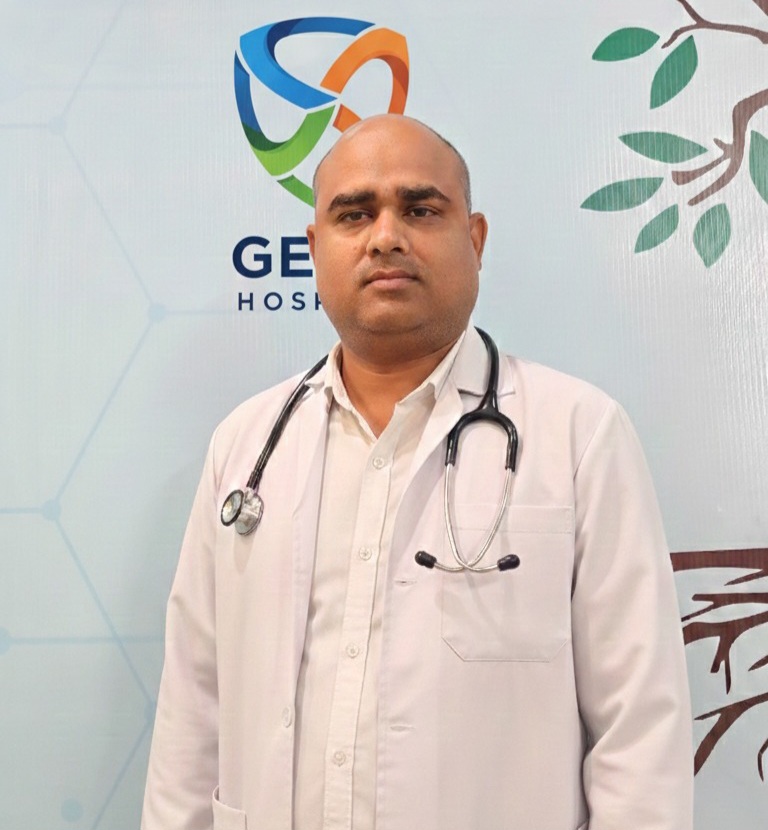
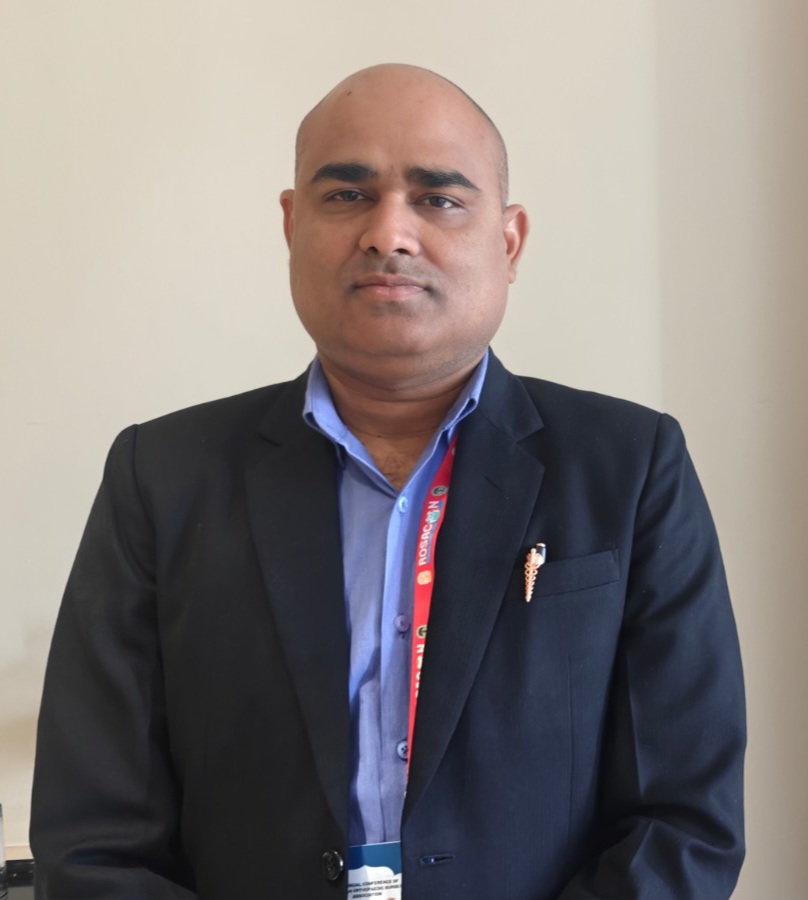
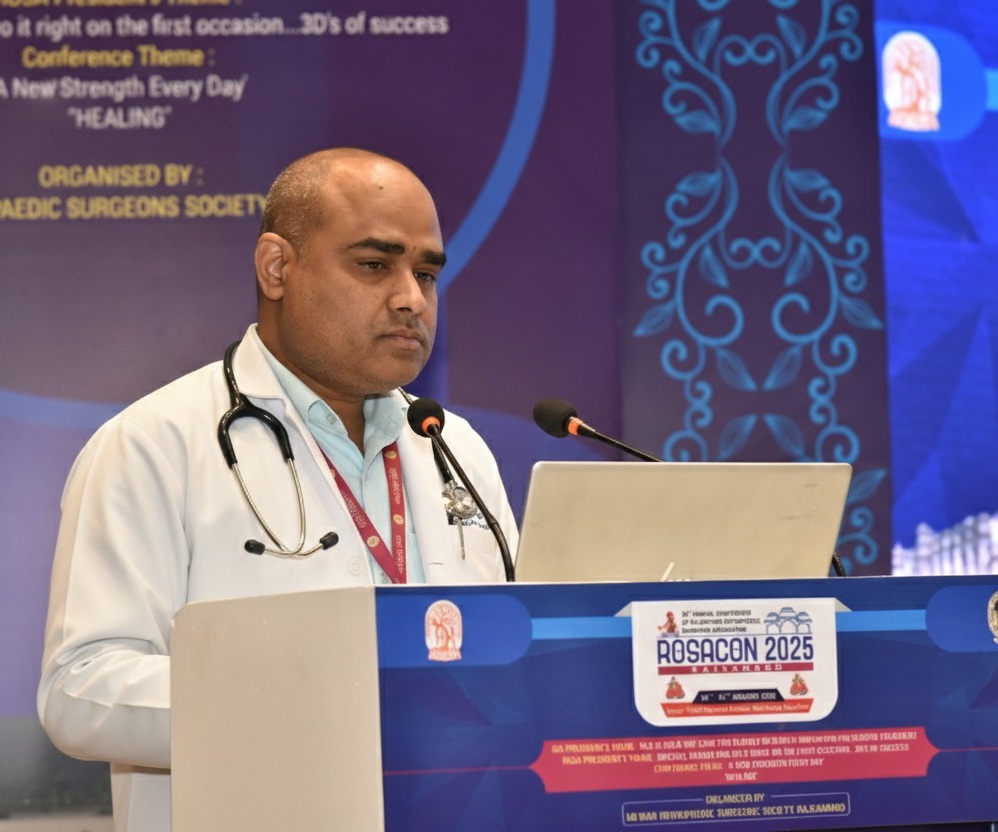
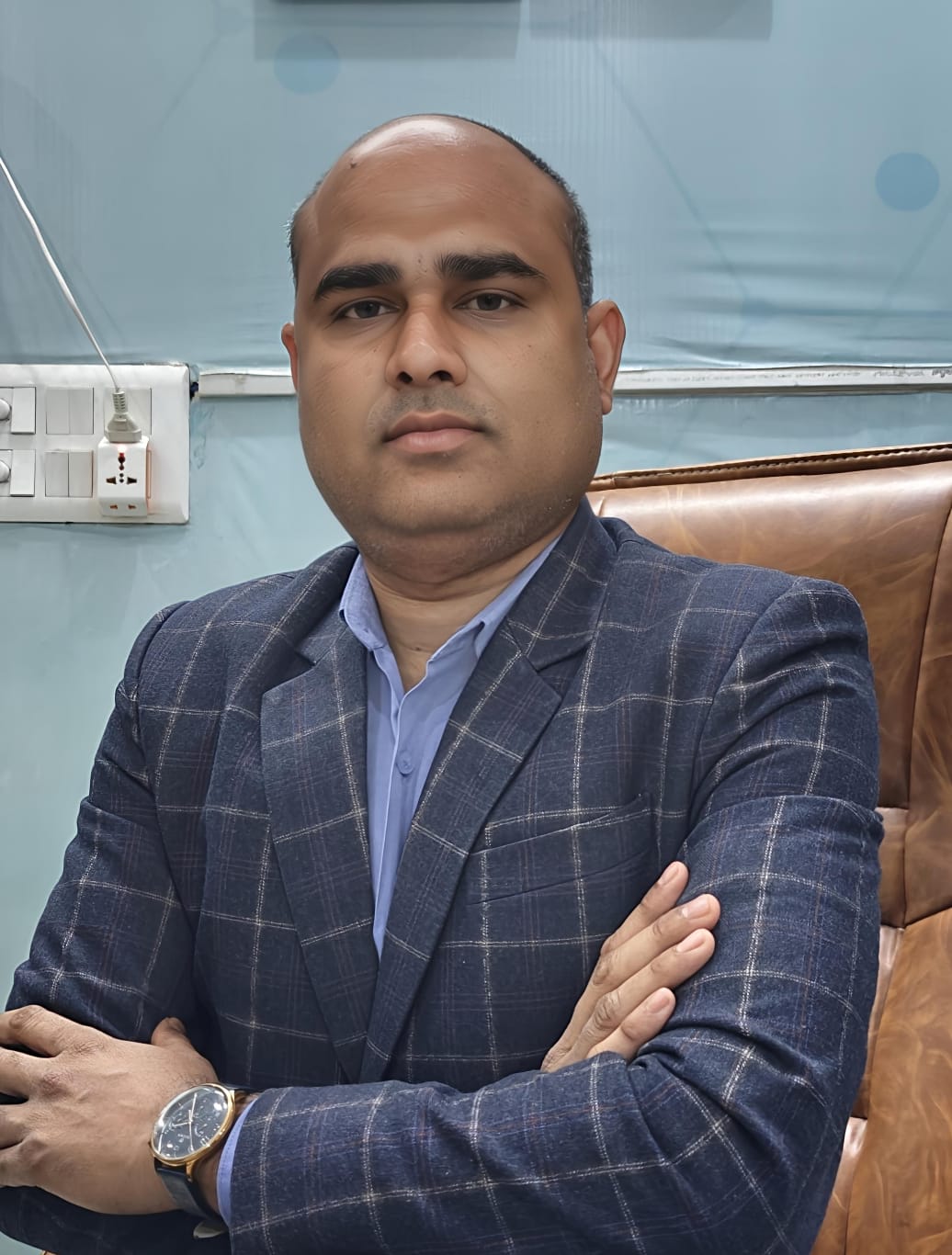
Charu Bhatia, Senior News Editor, Business Remedies, in conversation with Dr. Vikas Verma, Founder of Gen X Hospital
In an era where advanced surgeries and quick medical fixes dominate healthcare narratives, a Jaipur-based orthopaedic surgeon is quietly championing an alternative, one rooted in patience, precision and preservation. Dr. Vikas Verma, the founder of Gen X Hospital, a specialised orthopaedic centre, has dedicated his practice to Illizarov fixation, a demanding yet highly effective technique that helps patients avoid complex surgeries and amputations. His journey reflects a strong commitment to ethical medicine, personalised care and long-term patient well-being. In this detailed interview, he speaks about his educational path, the challenges of setting up a specialised hospital, the relevance of Illizarov fixation today, systemic issues in healthcare, and his vision for the future.
Question: You have established a hospital in Jaipur. How has your journey been till now, starting from your school education?
Answer: I believe my journey towards becoming a doctor began much before formal education, largely influenced by my father, who worked as tailor stitching clothes in a hospital. As a child, I would often accompany him and observe the hospital environment closely. Watching doctors treat patients, relieve pain and restore hope left a lasting impact on my young mind. That exposure helped me understand medicine not just as a profession, but as a powerful form of community service.
Like most medical aspirants, I chose biology in Class 12 and focused completely on preparing for medical entrance examinations. After clearing the examination, I pursued my MBBS from RNT Medical College in Udaipur. Academics were always a priority for me, and consistent hard work reflected in my performance throughout medical school. Following my graduation, I went on to complete my post-graduation in Orthopaedics from SMS Medical College, Jaipur. My academic grounding helped me secure the second position in the state pre-PG examination, which further motivated me to push my boundaries.
During my postgraduate training, I developed a deep interest in Illizarov fixation. It is a versatile orthopaedic technique that uses a circular external frame consisting of rings, wires and pins to stabilise, lengthen or reshape bones. The method is particularly useful in complex fractures, deformities and cases of bone loss. What fascinated me most was that the technique relies on the body’s natural ability to regenerate bone through controlled tension. Though it is technically demanding, time-consuming and requires immense precision, it often helps patients avoid multiple surgeries and even amputations.
Since Illizarov fixation is not widely practised, I decided to seek advanced training in Mumbai under Dr. Mangal Parihar, one of the finest experts in this field. Dr. Mangal laid the foundation for my learning, and over time, through hands-on experience and continuous refinement, I gained expertise in this technique. Named after Russian doctor Gavriil Ilizarov, who pioneered the method, this field remains neglected in modern medicine. Currently, there are only about four doctors across the state with specialised expertise in Illizarov fixation. With the aim of filling this gap, I eventually established Gen X Hospital. Prior to this, I was running a clinic, which gave me valuable experience in understanding patient needs at the grassroots level.
Question: What were the kind of difficulties you faced while opening the hospital?
Answer:
The most significant challenge was financial. Setting up a hospital involves considerable investment in infrastructure, equipment and manpower. Beyond finances, procedural and regulatory hurdles are unavoidable. There are nearly 42 types of medical licences required to open a hospital, of which at least 10 to 12 are mandatory to start functioning.
Another major challenge was patient perception. Illizarov treatment requires time, patience and commitment, which often makes patients hesitant. When a doctor suggests Illizarov fixation, patients frequently seek second opinions because it does not offer instant results like conventional surgeries. Convincing patients about its long-term benefits requires counselling and trust-building.
Gen X Hospital started functioning in July 2023, and since then, it has steadily grown in terms of patient trust and outcomes. My wife, who is a gynaecologist, has been a constant source of support in both establishing and running the hospital. Financially, the hospital has been supported through MSME loans under government schemes. One important lesson I have learnt is that anyone planning to open a dedicated Illizarov centre should never consider money as the most important factor. Patient welfare must always remain central.
Question: How is Gen X Hospital different from other centres, and why the name ‘Gen X’?
 Answer: The term ‘Gen X’ represents next-level care and a patient-friendly environment. The idea was to create a hospital where patients feel comfortable, respected and supported throughout their treatment journey. Our patient base is not limited to Jaipur or Rajasthan; we receive patients from across India and even internationally, including countries like the Czech Republic.
What truly differentiates Gen X Hospital is its exclusive focus on Illizarov fixation and the personalised attention we provide. We handle a wide range of complex cases, from elderly patients with congenital deformities to young cancer patients advised limb amputation. Our approach emphasises limb preservation and functional recovery rather than aggressive surgical intervention.
Question: Please tell us more about the need and process of Illizarov fixation. In what situations is it advised?
Answer: Illizarov fixation is particularly effective in cases where surgery is advised but can be avoided. For example, when a foot bone is severely bent and even surgery cannot ensure proper alignment, Illizarov fixation becomes essential. It is a form of preservation surgery that helps save joints, knees and lower limb bones.
There are two broad categories of conditions we treat, congenital and degenerative. Congenital conditions are present at birth, while degenerative conditions develop with age. During treatment, we encourage walking and physiotherapy so that muscles and bones regain strength. The apparatus consists of rings fixed to the bones, enabling gradual correction and restoration of function with minimal pain.
Question: What are the problems you observe in the medical field today, especially regarding patient dissatisfaction?
Answer: Overtreatment is a major concern today. Patients are often advised surgeries and heavy medication even when conservative treatment could suffice. While undertreatment is discussed widely, overtreatment is equally damaging. Another issue is the lack of follow-up and personalised care.
In Illizarov treatment, nearly 18 percent of patients experience depression due to the prolonged process. We ensure that mental health support is provided alongside physical treatment. Antibiotic overuse and resistance is another growing problem. Like every profession, medicine too has a small percentage of unethical practitioners, and their actions impact public trust. Doctors should prioritise preventive care wherever possible, and patients must also understand government healthcare schemes better. The human body has an innate ability to heal most problems if guided correctly.
Question: What marketing techniques do you use to promote Gen X Hospital?
Answer: Social media platforms such as YouTube and Facebook play a significant role in today’s digital age. Through these platforms, we receive patients from the US, Kenya, Somalia and other countries. However, word of mouth remains the most powerful and trustworthy form of promotion.
Question: How do you see government schemes supporting healthcare in India?
Answer: Schemes like MAA Yojana, RGHS and Bhamasha are extremely beneficial for patients. However, their scope is limited to certain departments and conditions. In the case of Illizarov fixation, grants have been reduced due to misuse, which needs to be addressed so genuine patients can benefit.
Question: How are AI and robotics helping the medical field?
Answer: AI can significantly improve efficiency in regular medicine by managing patient data and speeding up diagnosis. However, in specialised procedures like Illizarov fixation, AI will take more time to play a central role.
Question: What is your future vision for the hospital?
Answer: My vision is to make as many patients pain-free as possible and help them live without deformities. Ethical treatment is non-negotiable. I aim to offer affordable care and plan to establish an NGO for patients who cannot afford treatment. Jaipur provides a favourable environment for this vision.
Question: What message would you like to give young medical aspirants?
Answer: Young doctors must practise medicine with dedication, patience and ethics. Unethical practices may offer short-term gains but cause long-term harm. Those choosing Illizarov fixation should be patient, as one case may require up to 15 days of pre-planning and over six hours of surgery. Precision, balance and ethical clarity are essential throughout the process.