

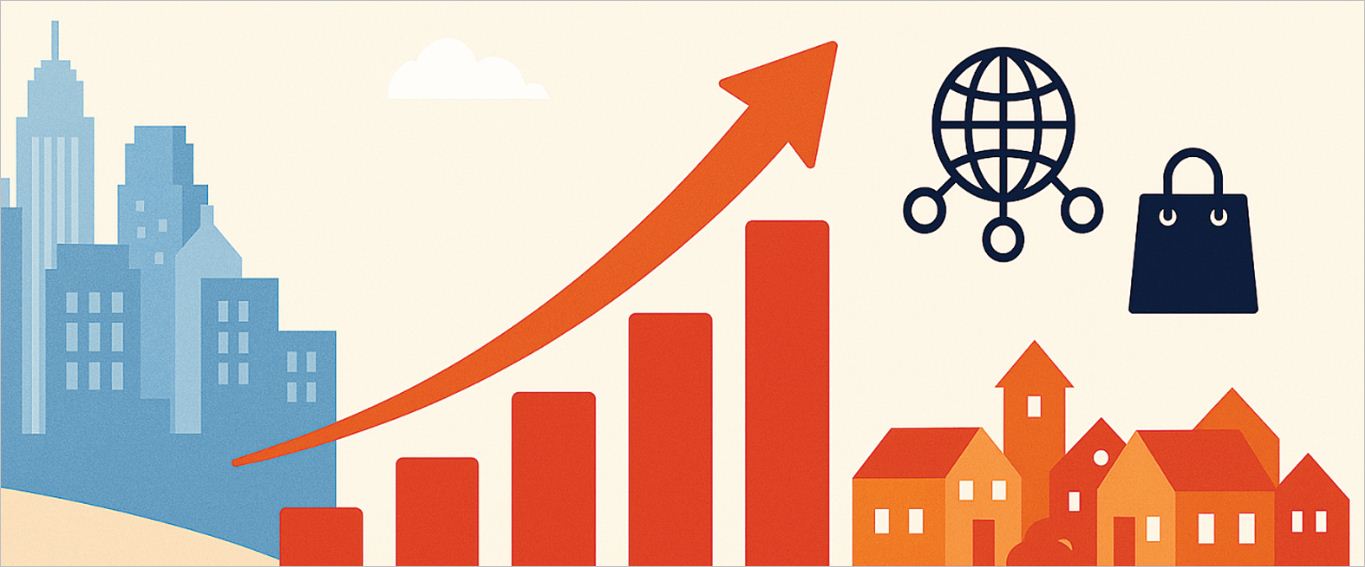
Jaipur | Charu Bhatia | India’s digital growth story is no longer centred on metros. The next wave of internet users, online shoppers and digital consumers is emerging from Tier-2 and Tier-3 cities, reshaping how brands think about growth. For businesses, this shift is not just a demographic change, it is a strategic turning point that demands new marketing models, localised communication and deeper cultural understanding.
A Market Expanding Beyond Metros
Affordable smartphones, cheaper data and rising regional entrepreneurship have accelerated digital adoption across smaller cities. Millions of first-time internet users are coming online every year, often skipping desktops entirely and entering the digital ecosystem through mobile apps, social media and video platforms. This audience is younger, aspirational and increasingly comfortable with digital payments, e-commerce and online services. For brands facing saturation in metros, these markets represent the next major growth engine.
Vernacular Content Is No Longer Optional
One of the biggest shifts in marketing strategy is the dominance of regional languages. Users in smaller cities prefer consuming content in their native language, whether it is product reviews, short videos or customer support. Brands are investing heavily in multilingual campaigns, regional influencers and vernacular customer service. Marketing in Hindi, Tamil, Bengali, Marathi or Telugu is no longer a niche strategy, it is essential for scale.
Trust Is Built Through Familiar Voices
Influencer marketing in Tier-2 and Tier-3 cities looks very different from metro campaigns. Instead of celebrity endorsements, consumers trust micro and nano influencers who feel relatable and accessible. Local creators who speak the language, understand community aspirations and showcase real-life use cases often deliver stronger engagement and conversions. Authenticity and relatability matter more than glamour.
Value and Aspiration Go Hand in Hand
Consumers in smaller cities are highly value-conscious but also aspirational. They are willing to spend on products that signal progress, convenience and lifestyle upgrades, from smartphones and beauty products to edtech and fintech services. Successful brands position their offerings as enablers of upward mobility, highlighting durability, affordability and practical benefits rather than luxury messaging.
Social Commerce and Video Lead Discovery
Short-form video platforms, live shopping and social commerce are playing a major role in product discovery. For many users, social media is the internet’s front page, where they search, learn and shop. Businesses are increasingly integrating shopping features into social platforms, using WhatsApp, Instagram and regional apps to drive direct sales and customer engagement.
Rethinking Distribution and Customer Experience
Marketing alone is not enough. Brands must adapt logistics, payment options and customer support to suit new users. Cash-on-delivery, easy returns and WhatsApp-based service remain critical for building trust.
The Road Ahead
The rise of Tier-2 and Tier-3 consumers marks a defining shift in India’s business landscape. Companies that invest in localised storytelling, regional partnerships and accessible customer experiences are likely to capture the next phase of digital growth. For brands willing to adapt, the opportunity is enormous, the next billion users are already online, and they are ready to engage, explore and spend.