
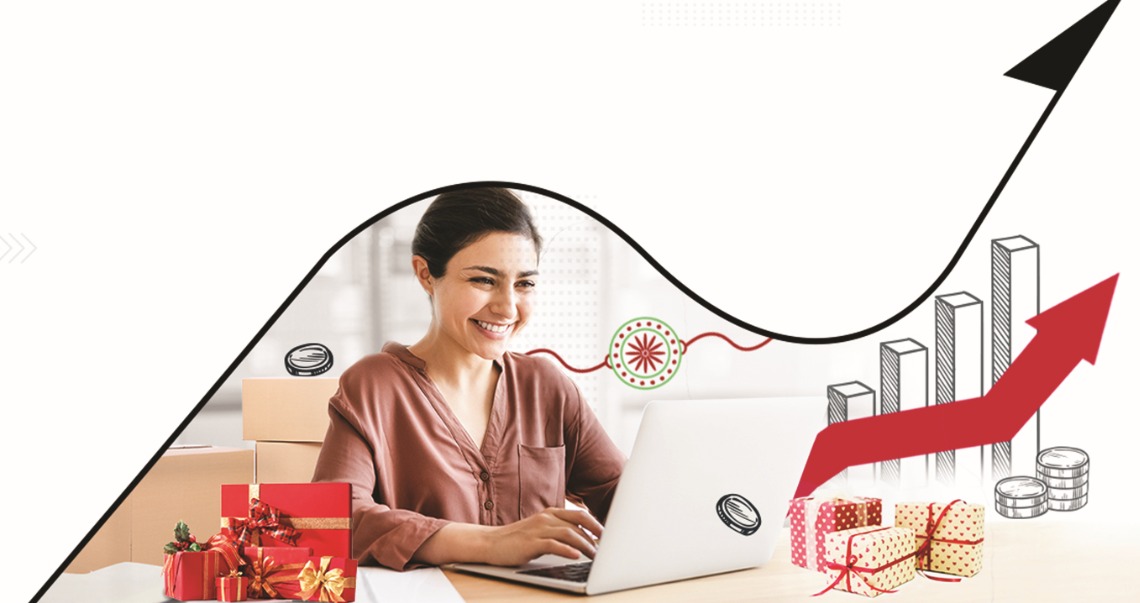
Business Remedies | Charu Bhatia | Festivals in India are more than cultural milestones, they are economic catalysts. Raksha Bandhan, celebrated across the country and among the Indian diaspora, is a perfect example of how tradition intertwines with commerce to create a seasonal boom. From handcrafted rakhis to high-end gifting, the festival triggers a multi-sector spending spree that ripples through the economy.
In the weeks leading up to Raksha Bandhan, markets transform. The rakhi itself has evolved into a thriving micro-industry. Once a simple thread, it is now available in countless varieties, embroidered, beaded, studded with silver or gold, eco-friendly, or even customised with photos. This diversity fuels demand for artisans, many of them women in rural clusters, who find steady seasonal income through handicraft production. For small-scale industries and self-help groups, Rakhi season can account for a significant portion of annual earnings.
The gifting culture surrounding Raksha Bandhan is another economic driver. Beyond traditional sweets and dry fruits, brothers and sisters now exchange gadgets, fashion apparel, jewellery, perfumes, and curated hampers. E-commerce platforms have turned this into a global marketplace, offering Rakhi delivery to siblings abroad. These portals see a notable spike in traffic and sales, supported by payment platforms, courier services, and packaging suppliers.
Hospitality and travel also benefit from the Rakhi effect. Restaurants roll out special sibling-themed menus, and hotels offer festive staycation deals. Travel operators report increased bookings as families reunite. Even quick-service restaurants and cafés see higher footfall, as siblings step out to celebrate.
From a business trends perspective, Raksha Bandhan impacts several interconnected sectors:
8 Retail and E-commerce: Seasonal sales see a 15-30% spike compared to non-festive months, according to industry estimates.
8 Logistics: Courier volumes rise, with increased interstate and international parcel movement.
8 Handicrafts and SMEs: Cottage industries gain exposure and income through local and online sales.
8 Advertising and Marketing: Brands launch campaigns built around sibling bonds, driving ad spends and engagement.
The economic footprint extends beyond immediate purchases. Increased consumer activity boosts cash flow for small businesses, encourages repeat purchases, and fosters innovation in product design and marketing strategies. The trend towards sustainable and artisanal rakhis also reflects evolving consumer preferences, giving entrepreneurs a chance to differentiate and scale.
While the emotional essence of Raksha Bandhan, celebrating the bond between siblings, remains timeless, its modern celebration underscores the growing synergy between tradition and commerce. Each rakhi tied is not just a symbol of love but also a thread in India’s vast economic weave, binding culture with opportunity.
 Written & Edited By:
Charu Bhatia


