

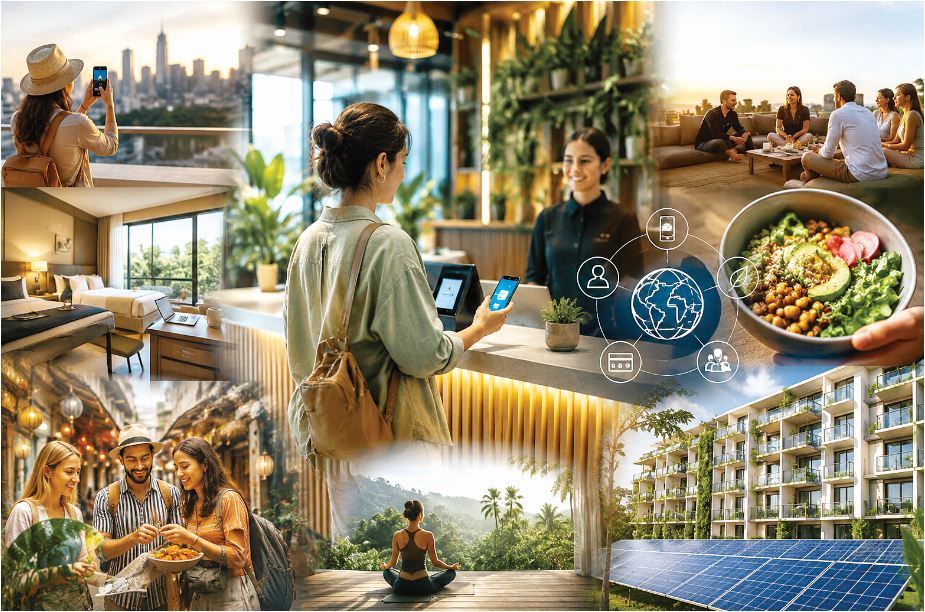
Jaipur | Charu Bhatia | The hospitality industry has always evolved alongside changing consumer preferences, but no generation is reshaping the sector quite like Generation Z. Born roughly between 1997 and 2012, Gen Z is emerging as a powerful consumer group with growing spending power and distinct expectations from travel and accommodation. Unlike previous generations that often associated luxury with opulence, Gen Z values authenticity, technology, sustainability and memorable experiences. As a result, hotels, resorts and hospitality brands are redesigning everything from guest services to marketing strategies.
One of the most significant shifts is the growing demand for experience-led travel. Gen Z travellers are less interested in simply booking a hotel room and more focused on immersive experiences. Whether it’s participating in local cultural workshops, exploring hidden neighbourhoods, attending music festivals or discovering regional cuisine, they seek meaningful interactions that create lasting memories. Hotels are responding by curating destination-specific activities rather than relying solely on premium amenities. Technology has become another defining factor. As digital natives, Gen Z expects seamless technology throughout the guest journey. Mobile check-ins, digital room keys, AI-powered concierge services, contactless payments and instant messaging support are increasingly viewed as standard rather than premium offerings. Hotels investing in smart technology are improving guest satisfaction while also streamlining operations and reducing staffing pressures.
Social media continues to influence travel decisions more than traditional advertising. Platforms such as Instagram, TikTok and YouTube have become powerful discovery engines, encouraging hospitality brands to create visually engaging spaces that naturally attract user-generated content. Unique interior designs, rooftop cafés, themed suites and aesthetically appealing dining spaces are increasingly being developed not just for guest comfort but also for their shareability online.
Sustainability is another area where Gen Z is driving change. Environmental responsibility has become a key consideration when choosing accommodation. Many young travellers prefer hotels that reduce single-use plastics, adopt renewable energy, minimise food waste and source products locally. Hospitality companies are recognising that sustainability is no longer simply a corporate social responsibility initiative, it is becoming a competitive advantage that influences booking decisions.
Flexibility has also become essential. Hybrid work has blurred the boundaries between business and leisure travel, creating opportunities for “workcations” and extended stays. Hotels are adapting by offering high-speed internet, dedicated co-working spaces, flexible booking policies and long-stay packages that appeal to remote workers. Food and beverage offerings are evolving as well. Health-conscious menus, plant-based dining options, locally sourced ingredients and personalised culinary experiences are becoming increasingly important for younger guests. Many hotels are transforming restaurants into standalone lifestyle destinations that attract both residents and travellers.
Loyalty programmes are also undergoing a transformation. Rather than rewarding only frequent business travellers, hospitality brands are creating personalised memberships that offer experiential rewards, exclusive events and digital engagement. The focus is shifting from transactional benefits to building long-term relationships with younger consumers.
Industry experts believe this generational shift presents a significant business opportunity. According to estimates by the World Travel and Tourism Council (WTTC), younger travellers are expected to account for an increasing share of global tourism spending over the coming decade. For hospitality businesses, attracting Gen Z is no longer about offering the lowest prices; it is about delivering personalised, technology-enabled and purpose-driven experiences.
As competition intensifies, hotels that successfully balance innovation with authentic hospitality are likely to gain a stronger competitive edge. In today’s market, memorable experiences, digital convenience and responsible business practices are becoming just as valuable as luxury rooms and premium facilities. For the hospitality industry, Gen Z is not simply another customer segment, it is redefining the future of travel itself.