
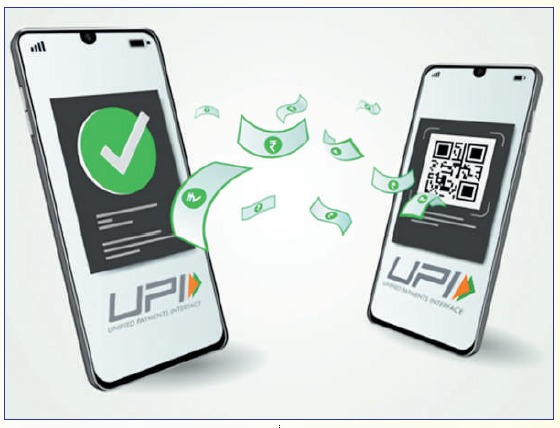
Business Remedies | Charu Bhatia | When the conversation around digital payments in India began, it was about big-ticket items, online shopping, bill payments, and money transfers. But the real revolution is playing out at the smallest end of the spectrum. From Rs. 10 chai tapris to Rs. 20 autorickshaw rides, micro-payments via UPI are quietly rewriting how India thinks about money, spending, and trust.
The Rise of Everyday Digital Transactions
According to the National Payments Corporation of India (NPCI), over 50% of UPI transactions in 2024 were below Rs. 200, a striking reminder that India’s digital story isn’t about high-value transactions but about frequency. A decade ago, pulling out a Rs. 10 note for a cutting chai was effortless, but today, customers instinctively reach for their phone screens. For many, the “tap, scan, and pay” has become second nature, as seamless as handing over loose change.
Street vendors, small kirana shops, autorickshaw drivers, and milk delivery agents have embraced UPI because it eliminates the hassle of returning coins, while consumers appreciate not having to carry exact cash. This shift has made micro-digital transactions a part of daily habit loops, subtly shaping consumer behaviour.
Changing the Psychology of Spending
Micro-payments may be small individually, but they carry a psychological impact. The act of digitally spending Rs. 10 or Rs. 20 feels lighter than parting with physical cash, encouraging higher frequency of purchases. Behavioural economists call this the “digital friction effect” – spending feels less tangible when it’s only a click away.
This explains why neighbourhood stores report that UPI customers often add extra items, a pack of biscuits, a cold drink, or even a snack, because the mental barrier of counting small notes and coins is gone. The convenience of digital also subtly drives impulse consumption.
Financial Inclusion Through the Smallest Denominations
Perhaps, the most profound impact of micro-UPI lies in inclusion. Daily wage earners, students, and lower-income households, traditionally cash-dependent, are now active participants in the digital economy. With banks and fintechs offering zero MDR (merchant discount rate) on small transactions, merchants face no penalty for accepting micro-payments, making adoption universal. For consumers, even sending Rs. 10 to split an auto fare or Rs. 20 to share snacks among friends normalises digital payments, creating a network effect that widens adoption.
New Business Models Emerge
Micro-payments are also fueling new-age business models. Edtechs, OTT platforms, and gaming apps are experimenting with Rs. 10-Rs. 30 subscription trials, powered by UPI AutoPay. Content creators on Instagram and YouTube have started offering micro-tipping features, where fans can transfer Rs. 20 or Rs. 50 as a token of appreciation. This “snackable economy” – where services and content can be bought in bite-sized transactions – wouldn’t exist without the ubiquity of UPI micro-payments.
The Road Ahead
As India’s digital payments ecosystem matures, micro-payments are proving to be more than just loose change gone digital. They represent trust, habit formation, and behavioural transformation. With the Reserve Bank of India pushing for innovations like offline UPI on feature phones and CBDC integration, the accessibility of micro-payments will only deepen.
 Written & Edited By:
Charu Bhatia