

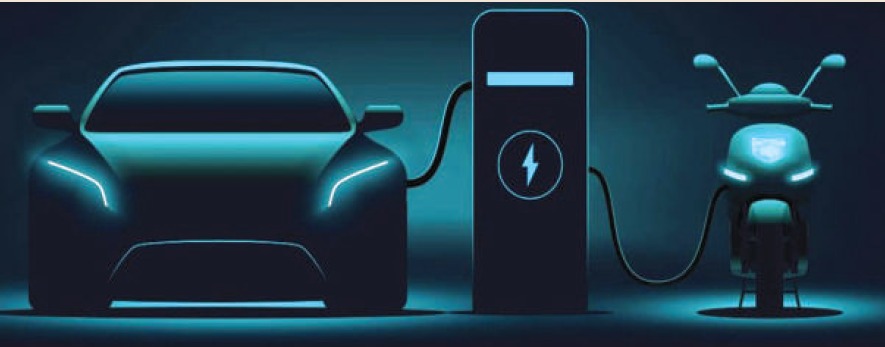
Charu Bhatia | Jaipur | Business Remedies | India’s electric vehicle (EV) sector is rapidly evolving from a niche curiosity to a mainstream business opportunity. Once hampered by high costs and infrastructure gaps, the EV market is now gaining unprecedented momentum, driven by supportive policies, rising fuel prices, and shifting consumer preferences. But as the industry accelerates, a key question arises: Are India’s traditional auto giants equipped to compete in this high-stakes transformation?
A Market at an Inflection Point
India’s EV sales crossed 1.5 million units in FY2024, marking a significant year-on-year surge. The bulk of this growth comes from electric two-wheelers, but passenger cars, commercial vehicles, and buses are also starting to gain traction.
Several trends are propelling this momentum:
8 Policy Support: The government’s FAME-II scheme and various state incentives are reducing costs for manufacturers and buyers alike.
8 Corporate Electrification: Companies across logistics, e-commerce, and ride-hailing are pledging to shift their fleets to electric.
8 Rising Cost of Fuel: Persistently high petrol and diesel prices are nudging cost-conscious consumers towards EVs.
8 Emerging Infrastructure: Though far from complete, India’s charging network is expanding in urban hubs, easing range anxiety.
How Are Indian Auto Majors Responding?
Tata Motors: Leading the Charge
Tata Motors has established itself as the undisputed leader in India’s electric passenger vehicle market. Its Nexon EV has become a popular choice among urban buyers, giving Tata more than 70% market share in the EV car segment. The company has announced aggressive plans to expand its EV lineup and invest in dedicated platforms, battery technologies, and manufacturing capacity.
Mahindra & Mahindra: Stepping Up
Mahindra, traditionally strong in SUVs and utility vehicles, is stepping up its EV efforts. It recently unveiled its “Born Electric” platform and showcased concept electric SUVs aimed at both domestic and international markets. The company is betting on a mix of legacy model electrification and new EV architectures to capture market share.
Maruti Suzuki: Cautious Optimism
India’s largest automaker, Maruti Suzuki, has so far taken a cautious approach. The company has repeatedly cited affordability and infrastructure limitations as reasons for its slow entry. However, Maruti has confirmed its first EV launch for 2025, signaling its acknowledgment of the market’s inevitability. Its strategy is expected to focus on delivering mass-market affordability.
Two-Wheeler Segment: A Fierce Battleground
The two-wheeler EV segment is where competition is fiercest. Established players like Hero MotoCorp and TVS are battling new entrants like Ola Electric and Ather Energy. Hero has launched its VIDA brand, while Ola and Ather are leveraging innovative designs and direct-to-consumer strategies to capture market share. This segment remains the quickest path for rapid EV adoption in India.
Roadblocks to Widespread Adoption
Despite growing momentum, challenges remain:
8 High Costs: EVs remain significantly costlier than traditional vehicles, largely due to expensive battery packs.
8 Supply Chain Volatility: Global shortages of critical materials like lithium and semiconductors could disrupt plans.
8 Infrastructure Lag: The charging ecosystem remains underdeveloped outside urban centers.
8 Consumer Concerns: Issues like range anxiety, resale value uncertainty, and limited model choices still hinder adoption.
The Stakes for Indian Auto Majors
For India’s automakers, the shift to EVs is not optional, it’s a strategic imperative. The companies that can innovate quickly, scale production efficiently, and deliver affordability will be best positioned to capture the future market.
 Written & Edited By:
Charu Bhatia