

Dentistry has undergone a significant transformation over the past decade, with growing awareness about oral hygiene, advancements in digital technology and increasing demand for cosmetic treatments changing the way patients approach dental care. From CAD/CAM dentistry and intraoral scanners to digital smile designing, modern dentistry is becoming more precise, personalised and minimally invasive.
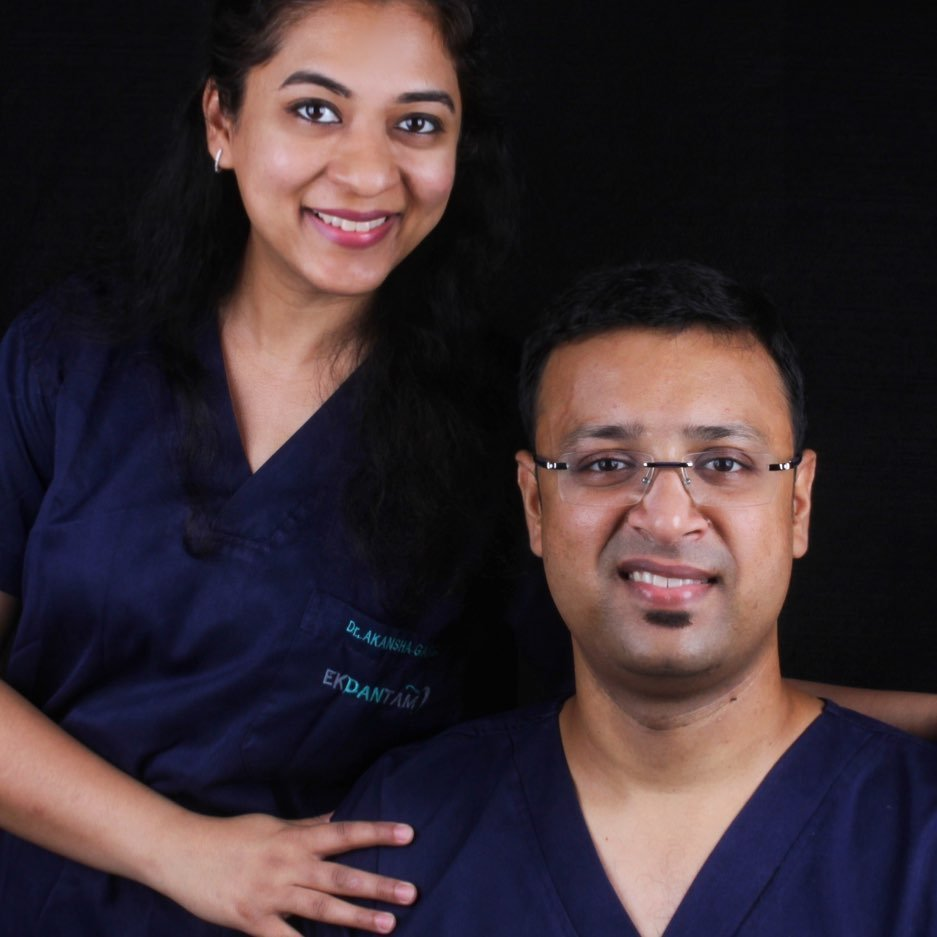
 Dr. Kapil Singhal, founder of Ekdantam Dental Clinic in Mansarovar, Jaipur, has witnessed this transformation closely. A specialist in gums and dental implants, he has been practising for over a decade and has also trained nearly 1,000 dentists through surgical workshops across the country.
 His wife, Dr. Akansha Garg, is a postgraduate in Conservative Dentistry and Endodontics and a certified cosmetic dentist from NYU, New York. She specialises in advanced restorative dentistry, root canal treatments and smile makeovers.
In an interaction, Dr. Kapil Singhal spoke about his journey, the evolution of dentistry, preventive oral healthcare, cosmetic dentistry, common dental myths and the role of technology in modern dental treatment.
Question: You have been practising dentistry for more than a decade. Tell us about your journey and what inspired you to enter this field.
Answer: My journey in dentistry began in 2004 when I started my graduation in Dental Science. I completed my post-graduation in Dental Sciences from SMS College, Jaipur, in 2014. During that period, there was only one dental seat at SMS College, and I was ranked first in the state. I also secured the third rank for admission to AIIMS and fourth rank for PGI Chandigarh.
In 2015, I founded Ekdantam Dental Clinic. It has now been around 11 years since I started serving patients. The clinic began in a relatively limited space but has gradually grown. We were also among the early dental clinics in Rajasthan to adopt digital technology for dental treatment.
Today, we use CAD/CAM dentistry, CT scans and intraoral scanners to diagnose problems and plan treatments more accurately. CAD/CAM technology allows us to design and manufacture precise dental restorations such as crowns, bridges and veneers.
My family also played an important role in inspiring me. Both my father and brother are doctors, so I grew up seeing them work in healthcare. That influenced my decision to enter the medical and dental profession.
I am a Periodontist and specialise in gums and dental implants. My wife, Dr. Akansha Garg, is a postgraduate in Conservative Dentistry and Endodontics and a certified cosmetic dentist from NYU, New York. She specialises in advanced restorative dentistry, root canal treatments and smile makeovers.
Alongside clinical practice, I am involved in dental education. I conduct surgical workshops for dentists across India and have trained nearly 1,000 dentists so far.
Question: How has dentistry changed over the last decade?
Answer: One of the biggest changes has been the increase in patient awareness. Earlier, dentistry was often associated primarily with tooth extraction. Today, patients understand that dental healthcare involves prevention, restoration, aesthetics and long-term maintenance.
Cosmetic dentistry has also become increasingly popular. People are more conscious about their smiles and are willing to invest in their dental health and appearance.
Technology has been another major factor. Digitalisation has revolutionised dentistry. Modern diagnostic tools, digital scans, CAD/CAM systems and 3D technology have made treatment more accurate and predictable. Dentists also have access to more training programmes and advanced techniques than before.
Question: What early symptoms should prompt a person to visit a dentist?
Answer: People should not wait until they experience severe pain. Even mild toothache, food getting stuck between teeth, a small cavity, tooth sensitivity, bleeding gums or bad breath can indicate an underlying dental problem.
Ignoring these signs can allow a minor problem to become more serious. For example, an untreated cavity can progress deeper into the tooth and eventually require a root canal or, in severe cases, extraction.
Early diagnosis can help preserve the natural tooth and reduce the complexity and cost of treatment.
Question: Why is preventive dentistry so important?
Answer: Preventive dentistry is important because maintaining natural teeth is always preferable to replacing them later. Artificial replacements can restore function, but they cannot completely equal natural teeth.
Regular dental check-ups and professional cleaning can help identify problems at an early stage. People should make dental examinations a part of their routine healthcare instead of visiting a dentist only when they experience pain.
Prevention is also generally less expensive and less invasive than treating an advanced dental problem.
Question: How can frequent consumption of tea, coffee, sugary drinks and carbonated beverages affect oral health?
Answer: Frequent consumption of carbonated drinks and other beverages such as tea and coffee can contribute to an acidic environment in the mouth. Excessive exposure to acids can affect the enamel and increase the risk of erosion.
Sugary drinks can also contribute to bacterial activity and cavity formation. If these problems are neglected, they may eventually require procedures such as root canal treatment or extraction.
The key is moderation and maintaining proper oral hygiene after consuming such foods and beverages.
Question: What dental habits should parents encourage in children?
Answer: Children should be encouraged to develop healthy eating and oral hygiene habits from an early age. Junk food and excessive sugary foods and drinks should be limited.
Parents should encourage children to eat nutritious food, rinse their mouths properly and brush their teeth twice a day. Sugary drinks and fast food should not become a daily habit.
Most importantly, parents should lead by example. Children often learn habits by observing their parents. If parents themselves follow good oral hygiene practices, children are more likely to adopt them.
Question: Social media has made the “perfect smile” a beauty standard. Has this increased demand for cosmetic dentistry?
Answer: Yes, there has been greater interest in cosmetic dentistry because people are increasingly conscious of the appearance of their teeth and smiles. Cosmetic dentistry essentially focuses on improving the aesthetic appearance of teeth and is a part of the broader field of dentistry. Treatments can include braces, aligners, veneers and smile designing, depending on the patient’s requirements.
In Rajasthan, fluorosis-related tooth staining is also seen in several areas. Earlier, crowns were sometimes used to change the appearance of teeth, which could require significant tooth reduction. Today, veneers can be used in appropriate cases to alter the shape and colour of teeth with a more conservative approach.
Digital smile designing is another advancement. Digital scans, specialised software and 3D printing can help dentists create precise models and surgical guides. These technologies have made several procedures more accurate, predictable and time-efficient while enabling minimally invasive approaches.
Question: What are the major dental services available at Ekdantam Dental Clinic?
Answer: We provide almost all major dental procedures at Ekdantam. I am a Periodontist, so my areas of expertise include gum treatment and dental implants. Dr. Akansha Garg is an Endodontist and specialises in root canal treatments, restorative dentistry and smile designing. We also perform surgical procedures and have a dedicated team of dental specialists who work together to provide comprehensive care to patients. Our focus is not only on treating a dental problem but also on providing appropriate diagnosis and a treatment plan based on the patient’s individual requirements.
Question: How closely are oral health and overall health connected?
Answer: Oral and overall health are closely associated. Oral health should not be viewed in isolation because problems in the mouth can have broader health implications.
Several studies have examined associations between poor oral health and conditions affecting different parts of the body, including cardiovascular and systemic health. This is another reason why maintaining good oral hygiene and getting regular dental check-ups is important.
Question: What are some of the biggest challenges facing India’s oral healthcare system?
Answer: Awareness remains one of the major challenges. Although awareness has improved considerably compared with earlier years, there is still a need for greater education about dental hygiene and preventive care.
Another challenge is the influence of social media. People often see different treatment options or dental claims online and assume that the same treatment will work for everyone. Dental treatment should always be based on professional diagnosis rather than social media trends.
There are also challenges for young dentists. For many new graduates, setting up a clinic can be difficult, and they face several struggles while establishing themselves professionally. Proper training, mentorship and continuous learning can help them navigate these challenges.
Question: What are some common dental myths that you would like to dispel?
Answer: One common myth is that professional teeth cleaning weakens the teeth. In reality, cleaning is intended to remove deposits and help prevent further damage to the teeth and gums.
Another misconception is that extracting a tooth can weaken the eyes. There is no basis for the belief that tooth extraction directly affects eye health.
People should avoid relying on such myths and should seek information from qualified dental professionals whenever they have concerns.
Question: Finally, what message would you like to give to young dental science aspirants?
Answer: My message to young dentists is simple: keep learning and keep evolving. Dentistry is a field where there is always something new to learn, whether it is a treatment technique, technology or approach to patient care.
At the same time, ethics should never be compromised. A dentist must always put the patient’s well-being first and continuously work towards improving knowledge and skills.
The profession offers tremendous scope, but success requires patience, continuous education and a commitment to ethical practice. If you continue learning while maintaining your professional values, there is a lot that you can achieve in dentistry.