


Business Remedies| Charu Bhatia | June 08,2025 | As global economies pivot towards sustainability, the Blue Economy, the sustainable use of ocean resources for economic growth and job creation, is emerging as a critical frontier. For India, with its extensive coastline of over 7,500 kilometers and a rich exclusive economic zone (EEZ), the Blue Economy offers significant opportunities to accelerate growth, drive innovation, and enhance global trade competitiveness.
Why the Blue Economy Matters for India
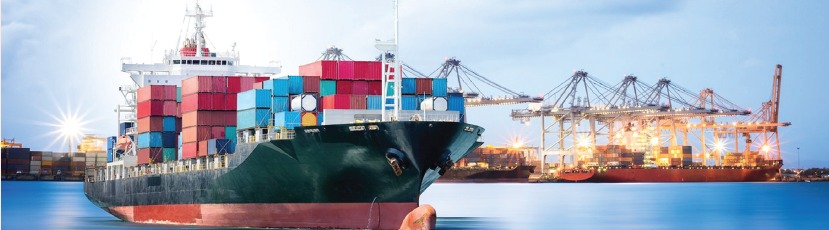
India’s strategic location along the Indian Ocean, a vital artery for international shipping, positions it uniquely to capitalize on maritime trade, energy, and resource extraction. Currently, over 95% of India’s trade by volume is transported via sea routes, underscoring the maritime sector’s vital role in the economy.
Beyond trade, sectors like fisheries, marine tourism, offshore energy, and marine biotechnology are poised for rapid expansion, promising new avenues for investment, employment, and technology-driven growth.
Key Growth Sectors in India’s Blue Economy
1. Fisheries and Aquaculture
India ranks as the world’s second-largest fish producer, a sector crucial for rural employment and exports. Advances in sustainable aquaculture and cold-chain logistics are enhancing output and market reach, presenting lucrative opportunities for agritech and supply chain startups.
2. Shipping and Port Infrastructure
The government’s Sagarmala initiative is modernizing port infrastructure and promoting coastal shipping, aiming to cut logistics costs and boost cargo handling capacity. Smart ports, digital tracking, and eco-friendly operations are attracting private investments and improving India’s maritime competitiveness.
3. Offshore Energy
India’s offshore oil and gas exploration is complemented by emerging potential in offshore wind and tidal energy. The Deep Ocean Mission underscores India’s commitment to harnessing marine energy resources, opening doors for clean energy investors and technology innovators.
4. Marine Biotechnology
Unlocking the ocean’s biological wealth, marine biotechnology holds promise for pharmaceuticals, cosmetics, and biofuels. Growing R&D investments and partnerships with academia position India as an emerging hub for blue biotech innovation.
5. Coastal Tourism
Coastal and marine tourism is a burgeoning sector with significant economic impact. The emphasis on eco-tourism and sustainable practices aligns well with global travel trends, attracting domestic and international tourists.
Government Initiatives Fueling Growth
India’s policy focus on the Blue Economy is reflected in targeted initiatives:
8 Sagarmala Project: Enhances port connectivity, logistics, and coastal community development.
8 Deep Ocean Mission: Drives exploration and sustainable utilization of ocean resources.
8 Maritime India Vision 2030: Envisions transforming India into a global maritime hub through infrastructure and technology upgrades.
Challenges to Navigate
To fully realize the Blue Economy’s potential, India must address environmental sustainability, regulatory clarity, and skill development. Overfishing, marine pollution, and coastal ecosystem degradation require integrated policy action and stakeholder collaboration.
Business Outlook and Opportunities
For businesses, the Blue Economy represents a dynamic space for innovation and investment, from green shipping technologies and marine renewable energy to aquaculture startups and smart port solutions. Public-private partnerships and increased funding for maritime R&D will further catalyze growth.
India’s Blue Economy is not just about oceans, it’s about creating sustainable wealth, jobs, and global economic relevance. For investors and entrepreneurs, the tide is rising with promising opportunities in a sector that blends tradition, technology, and transformation.
 Written & Edited By:
Charu Bhatia