
Jaipur | Business Remedies | The global Dance Market size was valued approximately USD 2.55 Billion in 2024 and will touch USD 5.10 Billion by 2033, growing at a compound annual growth rate (CAGR) of 8.01% from 2024 to 2033.
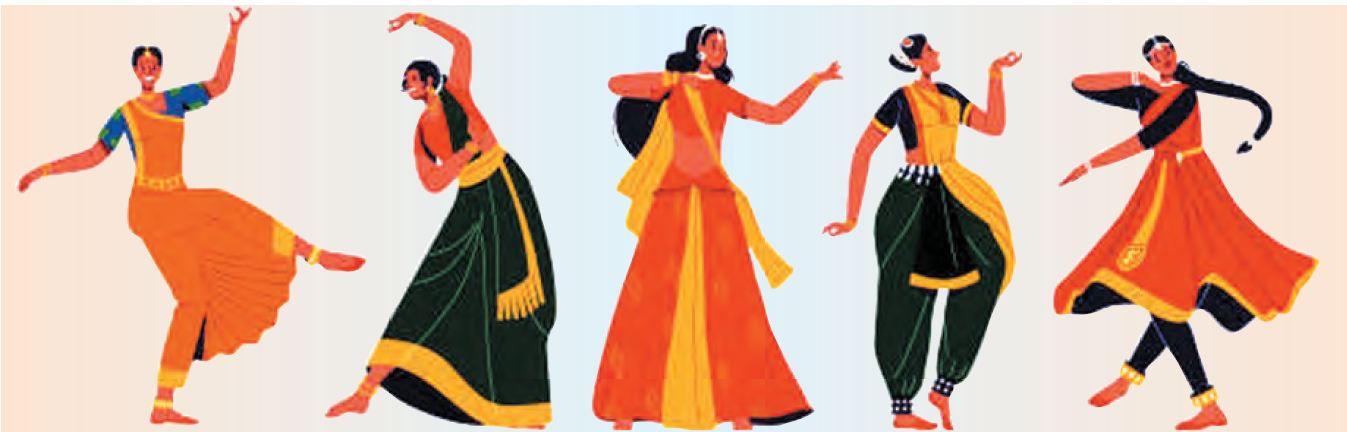
Dance is an art and also one type of physical activity wherein rhythmic movement of the body, usually performed with music, is involved. Dance may be performed because of entertainment, social cause, expression of culture, or spiritual rituals. It can be classified into many genres, including but not limited to ballet, modern, jazz, hip-hop, folk, and ballroom.
LATEST TREND
A major trend in the dance world is the increasing integration of digital platforms and virtual performances. As technology evolves, more and more dancers, choreographers, and companies are going online to share their work, teach, and connect with others around the world. Online classes, livestreaming of performances, and immersive dance experiences are creating opportunities to learn and perform that didn’t exist even a few years ago. TikTok, Instagram, and YouTube are increasingly important spaces where people share their dance routines, dance tutorials, and viral challenges. This is extending the scope of dance well beyond traditional studios and theaters. Streamed dance performances and competition events are now part of an artist’s outreach from their homes to any part of the world.
Application
Based on application, the global market can be categorized into Entertainment Industry, Physical Fitness and Health, Education, and Others.
= Entertainment Industry: Dance in the entertainment business means any use of dance in a television show, movie, live performance, or even music video. It would form an integral part of musical theater, movies, reality dance shows, and live events such as concerts and festivals. The dancing industry is great, and with the shows like “Dancing with the Stars” and “So You Think You Can Dance” already running international, films such as “Step Up” and “La La Land” show how well it comes out.
= Physical Fitness and Health: The perspective of dance with regard to physical fitness shall focus on dance moves for the betterment of health, strength, flexibility, and cardiovascular fitness. There are many popular dance-based fitness programs like Zumba, Jazzercise, and ballet fitness, that make exercise fun and exciting apart from the more conventional ways of working out. In fact, the market has boomed with gym chains, fitness centers, and online platforms selling classes for dance workouts. Most especially, dance has become incorporated into fitness programs because it combines exercises with rhythm, which makes the exercise more fun and easier to engage in, no matter the age or fitness level.
= Education: Dance in education relates to teaching dance as a part of the curriculum at schools, universities, and special dance institutions. It varies from basic movement education for young children to professional training for those aspiring dancers in various forms such as ballet, contemporary, and hip hop. Dance education fosters creativity, discipline, and physical coordination while instilling an appreciation of the arts. The market for dance education continues to grow due to the increasing number of schools and universities offering this course, as well as other dance academies that offer different forms of dance training. Online learning spaces, more recently developed, ensure that access to quality teaching is provided to students of dance in every part of the world.
= Others: Other than entertainment, fitness, and education, there are many more applications of dance, including therapy, social gatherings, and cultural expression. Dance therapy, or dance/movement therapy, is a recognized form of psychotherapy that uses dance for the furthering of emotional, cognitive, and physical integration. Social dance forms, such as salsa, tango, and swing, are also common in recreational and social settings as a means of connecting and building community.
The market is growing steadily for these “other” dance applications as people continue to find new uses for dance in social, emotional, and cultural outlets. To that effect, dance has proven versatile in finding relevance across industries, from therapy to socializing, cultural preservation, and more.
 Written & Edited By:
Charu Bhatia


