

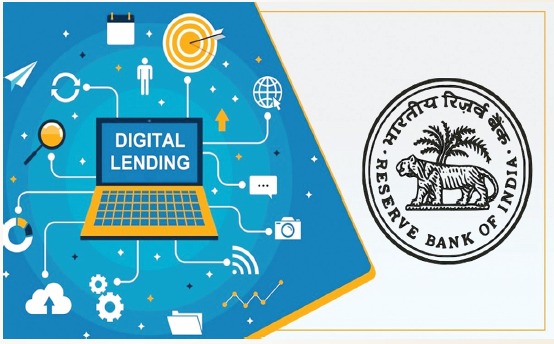
Business Remedies | Charu Bhatia | India’s digital lending ecosystem has grown rapidly over the past five years, transforming the way individuals and businesses access credit. Fueled by increased smartphone penetration, UPI adoption, and fintech innovation, lending platforms have made borrowing faster and more accessible than traditional banks. According to industry estimates, the digital lending market could reach over $350 billion by 2030, making it one of the fastest-expanding segments in the financial sector.
Why the Boom?
Consumers are increasingly comfortable using mobile apps for financial transactions, and small-ticket, instant loans have become particularly attractive to younger, tech-savvy borrowers. For lenders, advanced data analytics and AI-driven underwriting have lowered costs and enabled faster credit decisions, helping them serve previously underserved segments, including those without a formal credit history.
Emerging Risks
This speed and scale, however, come with challenges. Unregulated or non-compliant lending apps have raised concerns around predatory interest rates, aggressive recovery tactics, and misuse of personal data. Many borrowers, especially first-time users, face inadequate disclosures regarding fees and repayment schedules, leading to debt traps. Cybersecurity vulnerabilities and data privacy breaches add further complexity.
RBI’s Regulatory Push
Recognizing both the opportunities and risks, the Reserve Bank of India (RBI) has introduced a series of guidelines aimed at ensuring transparency and protecting consumers. Key measures include:
8 Direct Disbursement and Repayment: All digital loans must be credited directly to the borrower’s bank account, with no third-party pass-through.
8 Full Fee Disclosure: Platforms must clearly disclose interest rates, charges, and annual percentage rates upfront.
8 Data Protection: Borro-wers’ consent is required for data collection, and apps must limit access to only necessary information.
8 Ban on Unregistered Apps: The RBI has tightened scrutiny on unregulated entities, working with app stores and law enforcement to remove unauthorized lenders.
The Road Ahead
While regulations may slow aggressive growth in the short term, they are expected to strengthen the sector’s credibility. Compliant digital lenders are likely to benefit from increased trust, partnerships with banks, and opportunities in secured lending. At the same time, innovation around embedded finance, BNPL (Buy Now, Pay Later), and AI-driven credit scoring will continue to reshape the landscape, albeit within stricter regulatory frameworks.
For India’s digital lending market, the next phase will hinge on balancing innovation with accountability, ensuring financial inclusion grows without compromising consumer protection.
 Written & Edited By:
Charu Bhatia


