


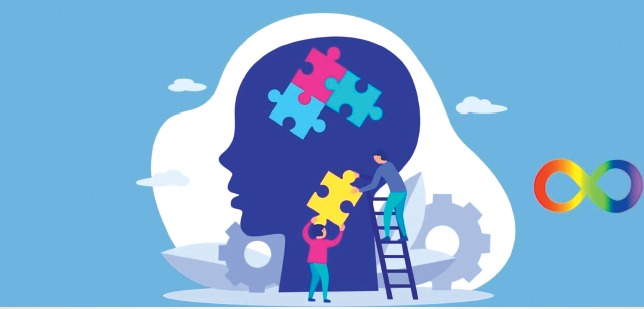
Business Remedies | Charu Bhatia | For decades, diversity and inclusion at the workplace meant focusing on gender, ethnicity, and cultural representation. Today, however, companies are embracing another dimension that’s often overlooked but deeply transformative, neurodiversity. This term covers a range of neurological differences such as autism, ADHD, dyslexia, and other cognitive variations that affect how people process information, problem-solve, and interact. Far from being seen as limitations, these differences are increasingly valued as assets for innovation and competitive edge.
Beyond Hiring: A Shift in Mindset
Initially, corporate approaches to neurodiversity were framed around inclusion, creating space for people who think differently. But a noticeable shift is underway. Leading firms are no longer hiring neurodiverse employees only to tick the inclusivity box; they are redesigning workflows, team structures, and communication styles to maximize the potential of diverse minds.
For instance, Microsoft and SAP have tailored recruitment programmes for candidates on the autism spectrum, reducing emphasis on traditional interviews (which can disadvantage those with social communication challenges) and focusing instead on problem-solving exercises. These changes not only open doors but also unlock fresh ways of thinking that standardised processes often miss.
Why Neurodiverse Talent Matters
Research suggests that neurodiverse teams can outperform “neurotypical-only” teams in certain domains, especially in fields requiring pattern recognition, data analysis, or creative problem-solving. A 2023 Deloitte report found that organisations with inclusive practices for neurodiverse talent recorded up to 30% higher productivity in specific innovation-driven projects.
Companies are recognising that innovation thrives on cognitive variety. An employee with ADHD may excel in fast-paced ideation sessions, while someone with dyslexia might spot visual patterns others miss. By acknowledging and integrating these strengths, businesses are gaining a creative advantage that goes far beyond traditional metrics of efficiency.
Reshaping the Workplace
The growing focus on neurodiversity has also sparked tangible workplace innovations:
8 Flexible communication tools: Using visual dashboards, recorded instructions, and clear task segmentation to suit varied processing styles.
8 Sensory-friendly workspaces: Offering quiet zones, noise-cancelling headphones, or adjustable lighting to improve focus.
8 Tailored management practices: Training managers to recognise differences in communication, attention, and social engagement rather than forcing conformity.
These adaptations often benefit the wider workforce, not just neurodiverse employees, demonstrating how inclusion-driven changes can enhance productivity across the board.
The Business Case for the Future
As talent shortages continue globally, overlooking neurodiverse professionals is no longer just a moral lapse but a missed business opportunity. With innovation cycles shortening and problems becoming more complex, companies need diverse thinkers more than ever. The narrative is moving from “helping neurodiverse individuals fit in” to “restructuring systems to let everyone contribute uniquely.”
Forward-looking companies are proving that neurodiversity is not only about inclusion but about reimagining how businesses innovate. As the trend deepens, workplaces that harness this untapped potential may well be the ones defining the next era of growth.
 Written & Edited By:
Charu Bhatia


