
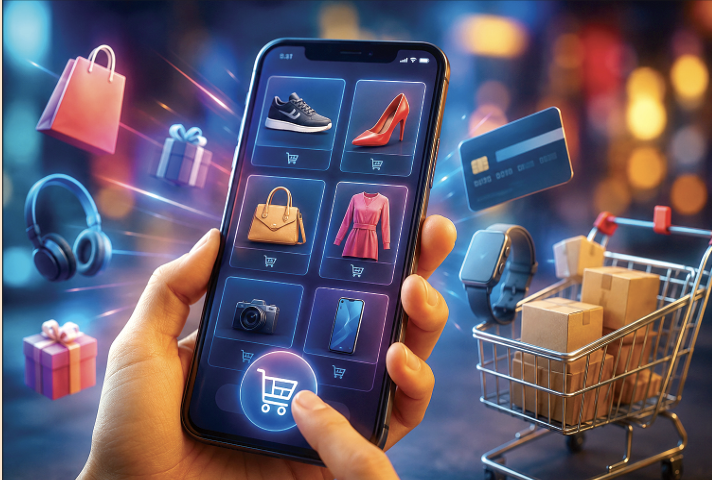
Jaipur | Charu Bhatia | The way consumers shop has changed dramatically in the digital age. With just a few taps on smartphones, shoppers can discover products, compare prices and complete purchases within minutes. While online platforms have made shopping more convenient, they have also created an environment where impulse buying is becoming increasingly common. From flash sales and personalised recommendations to influencer marketing and one-click payments, brands are using advanced strategies to influence purchasing decisions. Impulse buying refers to spontaneous purchases made without prior planning. Earlier, such decisions were often triggered by attractive displays in physical stores. Today, digital platforms have taken this behaviour to a new level by creating personalised shopping experiences designed around consumer preferences and emotions.
One of the biggest drivers behind online impulse purchases is the fear of missing out, commonly known as FOMO. Limited-time offers, countdown timers and “only a few items left” notifications create a sense of urgency among consumers. These strategies encourage shoppers to act quickly rather than spend time evaluating whether they actually need a product.
Another important factor is the rise of algorithm-driven recommendations. E-commerce platforms analyse browsing history, search patterns and previous purchases to suggest products that match individual interests. This personalised approach makes consumers feel that the products being displayed are specifically chosen for them, increasing the likelihood of an unplanned purchase.
Social media has further accelerated impulse buying trends. Influencers, short videos and product reviews have transformed the way consumers discover brands. A product showcased in an engaging video or recommended by a trusted creator can create an instant desire to purchase, particularly among younger consumers. The convenience of digital payments has also reduced barriers to buying. Features such as saved cards, UPI payments and one-click checkout make transactions faster and easier. When the process of spending money becomes effortless, consumers may experience less hesitation before completing a purchase. Brands are increasingly investing in behavioural science to understand consumer psychology. From website designs and colour choices to personalised advertisements, every element is carefully planned to improve engagement and drive conversions. The growing use of artificial intelligence is expected to make these strategies even more precise by predicting consumer preferences in real time.
However, the rise of impulse buying has also encouraged consumers to become more mindful about their spending habits. Financial awareness, budgeting tools and conscious shopping practices are gaining importance as people seek a balance between convenience and responsible consumption. As digital commerce continues to expand, understanding the psychology behind impulse buying will remain crucial for businesses. The future of shopping will not only depend on what consumers buy but also on how technology shapes the decisions they make before pressing the “buy now” button.