



Charu Bhatia, Senior News Editor, Business Remedies in conversation with Dr. Parvind Gumber, Dental Surgeon and Implantologist, and Dr. Asmita Sharma, Paediatric Dentist and Founders of Gumber Dental Clinic, Jaipur
Dentistry has undergone a significant transformation with the introduction of digital technologies, advanced diagnostic tools and modern treatment techniques. Yet, fear of dental procedures, delayed consultations and limited awareness about preventive care continue to affect oral health outcomes. At Gumber Dental Clinic, Dr. Parvind Gumber and Dr. Asmita Sharma bring their respective expertise in comprehensive dental care and paediatric dentistry to address these concerns. While Dr. Gumber focuses on general dentistry, implants and treatment advancements, Dr. Sharma emphasises the importance of children’s oral health and early intervention. In this conversation, they discuss their professional journey, changing patient expectations and the need to make dental care an integral part of overall well-being.
Section 1: General Dentistry — Technology, Prevention and Patient Trust
Gumber Dental Clinic was founded by both of you. How has your professional journey been, and what is your approach to dental care?
 Dr. Parvind Gumber: Our journey has been one of continuous learning, clinical experience and adapting to the changing needs of patients. As a dental surgeon and implantologist, my focus is on providing comprehensive dental care, including the diagnosis and treatment of different oral health conditions. Dentistry is a rewarding profession because it allows us to relieve pain, restore function and help patients regain confidence in their smiles.
At Gumber Dental Clinic, we believe that treatment should not be limited to addressing an immediate problem. It is equally important to identify its underlying cause and help patients maintain their oral health over the long term. We aim to combine clinical expertise with modern techniques while ensuring that patients understand their treatment options.
How has digital dentistry evolved, and how has patients’ perception of technology changed?
Dr. Parvind Gumber: Digital dentistry has made diagnosis and treatment planning more precise and convenient. Patients today are increasingly informed because they can access information about dental conditions and treatments through websites and social media. They are also more curious about the technology being used and often ask questions about digital procedures.
Scanners and advanced imaging systems help us examine dental structures, assess conditions and plan treatments more accurately. These technologies can be particularly useful in complex cases where precise measurements and detailed assessment are essential.
However, digital dentistry requires substantial investment, and certain technology-driven procedures may increase treatment costs. The objective should not be to use technology in every case but to apply it where it offers a meaningful clinical advantage. The dentist’s judgement remains essential in deciding which diagnostic tools and treatments are appropriate for an individual patient.
What warning signs should prompt people to visit a dentist?
Dr. Parvind Gumber: Bad breath, tooth sensitivity, persistent pain, bleeding gums and hard deposits on teeth are signs that should not be ignored. Bad breath may result from inadequate oral hygiene or plaque accumulation, although other underlying conditions can also contribute to it. Sensitivity and pain may indicate cavities or other dental problems that require examination.
Bleeding gums can be an early sign of gingivitis. If gum disease progresses without treatment, it can damage the tissues supporting the teeth and eventually lead to more serious complications. Hard deposits that accumulate around the teeth also require professional attention.
Regular dental check-ups help identify problems before they become severe. Professional cleaning may be recommended to remove plaque and hardened deposits that cannot be adequately removed through routine brushing. A six-monthly visit is a useful general guideline, although the frequency should be adjusted according to a patient’s oral health.
The key is to seek treatment early rather than waiting until the pain becomes unbearable. Early diagnosis often makes treatment simpler and helps prevent avoidable complications.
Many people are afraid of visiting a dentist. How can dental anxiety be addressed?
Dr. Parvind Gumber: Dental anxiety remains a major challenge. People often avoid routine check-ups because they fear pain or an unfamiliar procedure. Unfortunately, when they eventually seek treatment, the condition may have worsened and may require more extensive intervention.
Modern dentistry offers several techniques that can improve patient comfort and reduce pain during procedures. However, the relationship between the dentist and the patient is equally important. Patients should feel comfortable asking questions and discussing their concerns.
I believe that explaining the procedure beforehand makes a significant difference. When people understand what needs to be done, why it is necessary and what they can expect, they are generally more comfortable with the treatment process.
Listening carefully is also essential. Every patient has different concerns, expectations and previous experiences. Personalised attention and a clear explanation of treatment options help build trust and encourage people to seek care without unnecessary delay.
Is dental treatment affordable for the average person in India?
Dr. Parvind Gumber: Affordability is an important concern. Modern dental equipment, digital systems, materials and professional training require considerable investment. These factors can influence the cost of certain treatments.
Affordability also depends on a patient’s financial circumstances, the city they live in and the complexity of their dental condition. Advanced technology may be beneficial in particular cases, but not every patient needs the most expensive treatment option.
The priority should be to provide the right treatment according to clinical requirements. Preventive care plays an important role here because regular check-ups and timely intervention can help avoid complications that may require more extensive procedures later.
Dentists must explain the available options and their costs clearly so that patients can make informed decisions. Greater awareness about preventive care can also help people understand that looking after their teeth is a long-term investment in their health.
What recent developments are shaping the future of dentistry?
Dr. Parvind Gumber: Improvements in diagnostic tools, restorative materials and digital treatment planning have changed the way dental care is delivered. Modern imaging systems and scanners can provide detailed information about dental structures, helping dentists plan appropriate procedures with greater precision.
Restorative materials have also improved, offering more options for repairing damaged teeth. At the same time, research into regenerative dentistry is exploring approaches such as stem-cell-based tissue regeneration and the potential for new tooth development. These developments are promising, but many applications remain experimental or are not yet part of routine dental practice.
Technology will continue to evolve, but it cannot replace clinical expertise. Dentists must evaluate every patient individually, interpret diagnostic findings carefully and recommend treatment based on clinical evidence.
What are the biggest challenges facing dentists today?
Dr. Parvind Gumber: One of the biggest challenges is encouraging people to take preventive dentistry seriously. Many patients neglect early symptoms and approach a dentist only when pain or infection develops. This can make treatment more complicated and expensive.
Another challenge is balancing investment in advanced technology with the need to provide accessible care. Dental practices must continually upgrade equipment and skills, but the benefits of these investments need to translate into better patient outcomes.
We need to improve public awareness, encourage routine dental visits and help patients understand that prevention is as important as treatment. Early intervention, clear communication and responsible use of technology can make dental healthcare more effective.
Section 2: Paediatric Dentistry — Building Healthy Habits from Childhood
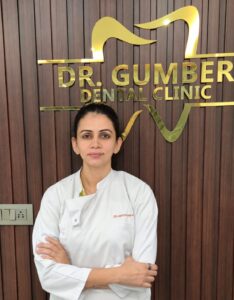 Dr. Asmita, what inspired you to specialise in paediatric dentistry, and how does children’s dental care differ from that of adults?
Dr. Asmita Sharma: Dentistry is a satisfying profession because it allows us to relieve pain and improve people’s quality of life. My interest lies particularly in paediatric dentistry, which focuses on children’s oral health and requires an understanding of their developmental needs.
Children cannot always explain their discomfort or understand why a dental procedure is necessary. Therefore, treating them requires patience, careful communication and a reassuring approach. We need to make them feel comfortable while also helping parents understand their responsibilities in maintaining a child’s oral hygiene.
At what age should parents begin caring for their child’s teeth, and what precautions should they follow?
Dr. Asmita Sharma: Oral care should begin even before a baby’s first tooth appears. Parents can gently clean an infant’s gums with a clean, soft, damp cloth. Once the first tooth erupts, brushing should begin with an age-appropriate, soft-bristled toothbrush and a suitable amount of fluoride toothpaste.
Parents should supervise brushing as children grow because young children may not have the coordination required to clean their teeth effectively on their own. The amount of toothpaste and brushing technique should be appropriate for the child’s age.
Parents must also pay attention to their own oral hygiene. Caregivers should avoid sharing spoons in ways that transfer saliva as this may transmit cavity-causing bacteria.
Feeding habits are another important consideration. Frequent exposure to sugary liquids and allowing a child to sleep with a bottle containing milk or sweetened drinks can increase the risk of early childhood cavities. Parents should follow appropriate feeding practices, maintain oral hygiene and seek professional advice when needed.
Can infants develop cavities? What happens if these problems are left untreated?
Dr. Asmita Sharma: Yes, infants and toddlers can develop cavities, and parents should not assume that dental problems are uncommon at such an early age. Early childhood caries can develop when teeth are repeatedly exposed to sugars, particularly when feeding and oral hygiene practices increase the risk.
If cavities are not identified and treated in time, they can lead to tooth sensitivity, pain and infection. In severe cases, an abscess may develop. These problems can affect a child’s comfort, eating habits and general well-being.
Although we always try to preserve natural teeth wherever possible, extraction may sometimes become necessary if a tooth is severely damaged and cannot be saved. The better approach is to prevent such situations through early dental assessment and appropriate care.
What role do parents play in ensuring long-term oral health for children?
Dr. Asmita Sharma: Parents play a central role because children learn their daily habits at home. They need to establish a routine that includes brushing twice a day, appropriate use of fluoride toothpaste, healthy eating habits and regular dental visits.
Limiting frequent exposure to sugary foods and drinks is also important. Parents should supervise brushing until children can clean their teeth effectively and should not dismiss complaints of toothache or sensitivity simply because the affected teeth are temporary.
The primary teeth are important for chewing, speech development and maintaining space for permanent teeth. Problems in these teeth can affect a child’s comfort and may have consequences for oral development.
Most importantly, parents should create an environment in which children feel comfortable discussing dental discomfort. With consistent care, timely professional guidance and positive reinforcement, healthy oral hygiene habits can become part of a child’s everyday routine.
What is the most important message you would like parents to take away about paediatric dental care?
Dr. Asmita Sharma: Parents should understand that dental care begins in infancy and should not be postponed until all the teeth have erupted or a problem becomes visible. Early care, proper brushing, healthy feeding habits and routine dental check-ups can prevent many common conditions.
Children also need positive experiences with dental professionals so that they do not develop an unnecessary fear of treatment. When parents and dentists work together, it becomes easier to identify problems early and encourage lifelong oral hygiene habits.
Ultimately, prevention is better than waiting for pain to develop. Helping children understand the importance of oral health from an early age can support healthier teeth, greater confidence and better dental habits throughout their lives.