


Charu Bhatia | Business Remedies | Across the world, coastal communities are reimagining the future of fisheries by blending traditional livelihoods with tourism. As travel demand shifts towards authentic, local and experience-driven holidays, a new hybrid business model is taking shape, one where fishing villages are becoming tourism hubs while preserving their cultural and economic roots.
For decades, fishing communities have faced fluctuating incomes due to climate change, rising fuel costs, overfishing and global price volatility. At the same time, coastal tourism has surged, with travellers increasingly seeking immersive experiences beyond conventional beach vacations. The intersection of these two trends is creating a powerful opportunity: fisheries are diversifying into tourism-led revenue streams.
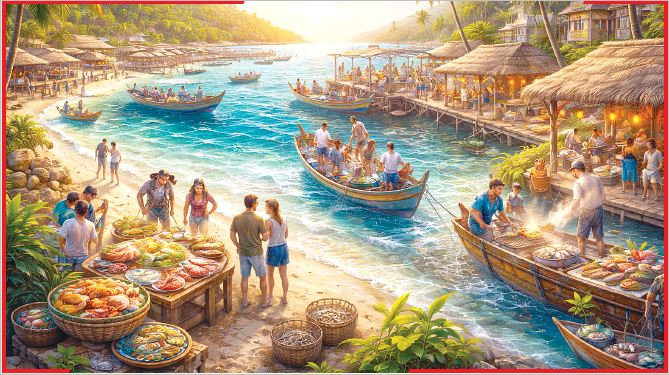
One of the most visible examples is experiential fishing tourism. Instead of only selling seafood, fishermen are now offering guided boat tours, sunrise fishing trips and seafood cooking experiences. Visitors are drawn to the authenticity of casting nets alongside local fishers, learning traditional techniques and enjoying freshly prepared meals by the shore. These experiences generate higher margins compared to selling raw catch, while also creating year-round income opportunities.
Seafood-focused tourism is another fast-growing segment. Coastal restaurants and homestays are building their brand around “catch-of-the-day” dining experiences, allowing travellers to witness the journey from ocean to plate. Culinary tourism centred on regional seafood recipes is gaining popularity, especially among international visitors seeking local flavours and sustainability-driven travel.
Aquaculture is also entering the tourism space. Fish and shrimp farms are opening their doors to visitors through farm tours, educational workshops and tasting sessions. These initiatives help demystify modern aquaculture while building consumer trust around sustainable seafood production. For farm operators, tourism offers an additional revenue stream that is less vulnerable to seasonal production cycles.
The rise of eco-tourism is further accelerating this trend. Coastal communities are positioning themselves as guardians of marine ecosystems by offering mangrove tours, coral restoration experiences and marine conservation programmes. By linking tourism income with environmental stewardship, communities are finding financial incentives to protect natural resources.
Governments and investors are taking note. Several coastal development programmes now promote integrated tourism and fisheries projects, including improved infrastructure, training and marketing support. Startups are also entering the space, helping fishing communities build digital booking platforms, brand their experiences and connect with global travellers.
While challenges remain, such as balancing tourism growth with environmental protection, the hybrid model is proving to be a resilient pathway for coastal economies. By combining the heritage of fishing with the promise of tourism, coastal communities are creating diversified, sustainable and future-ready business opportunities that benefit both travellers and local livelihoods.


