
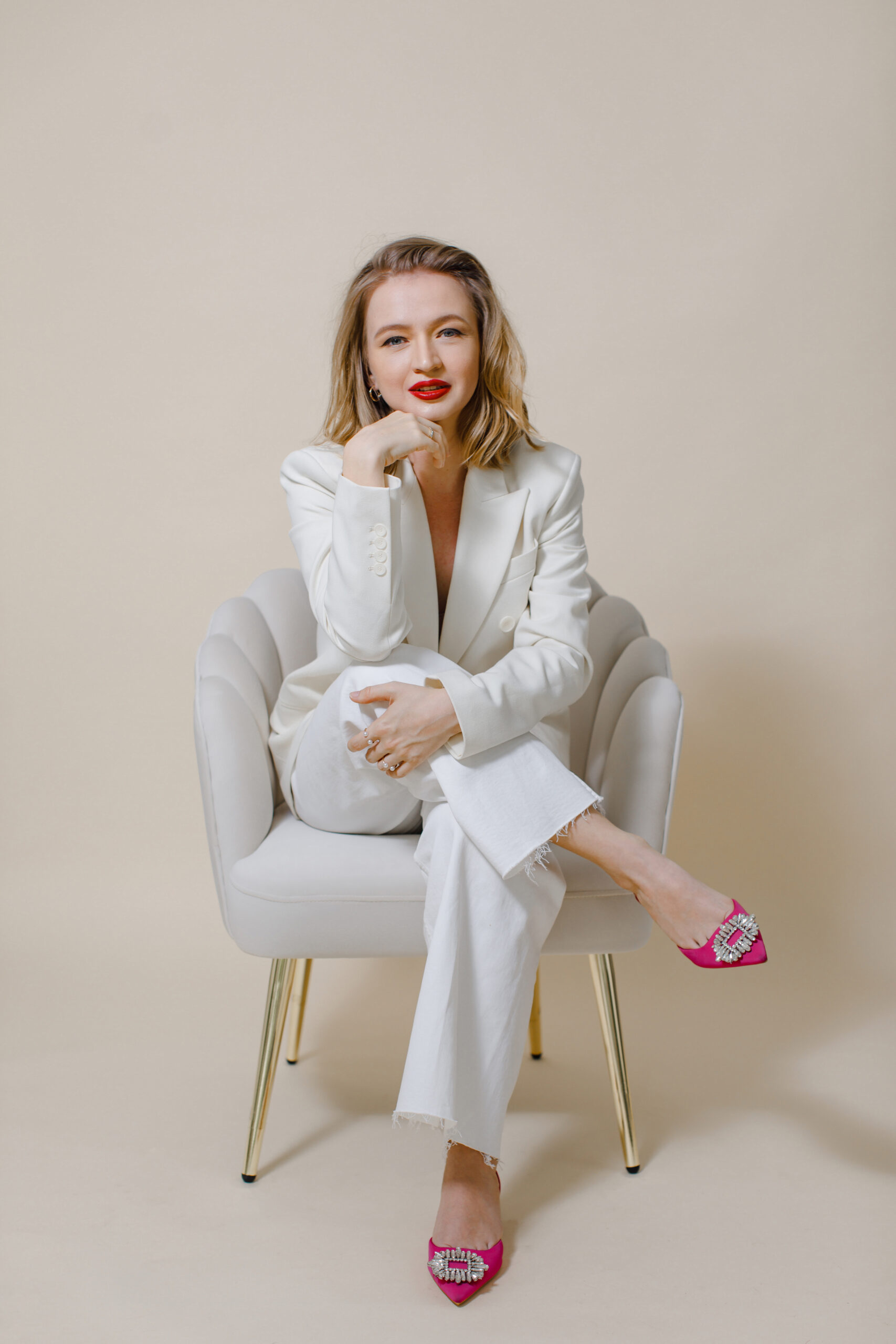
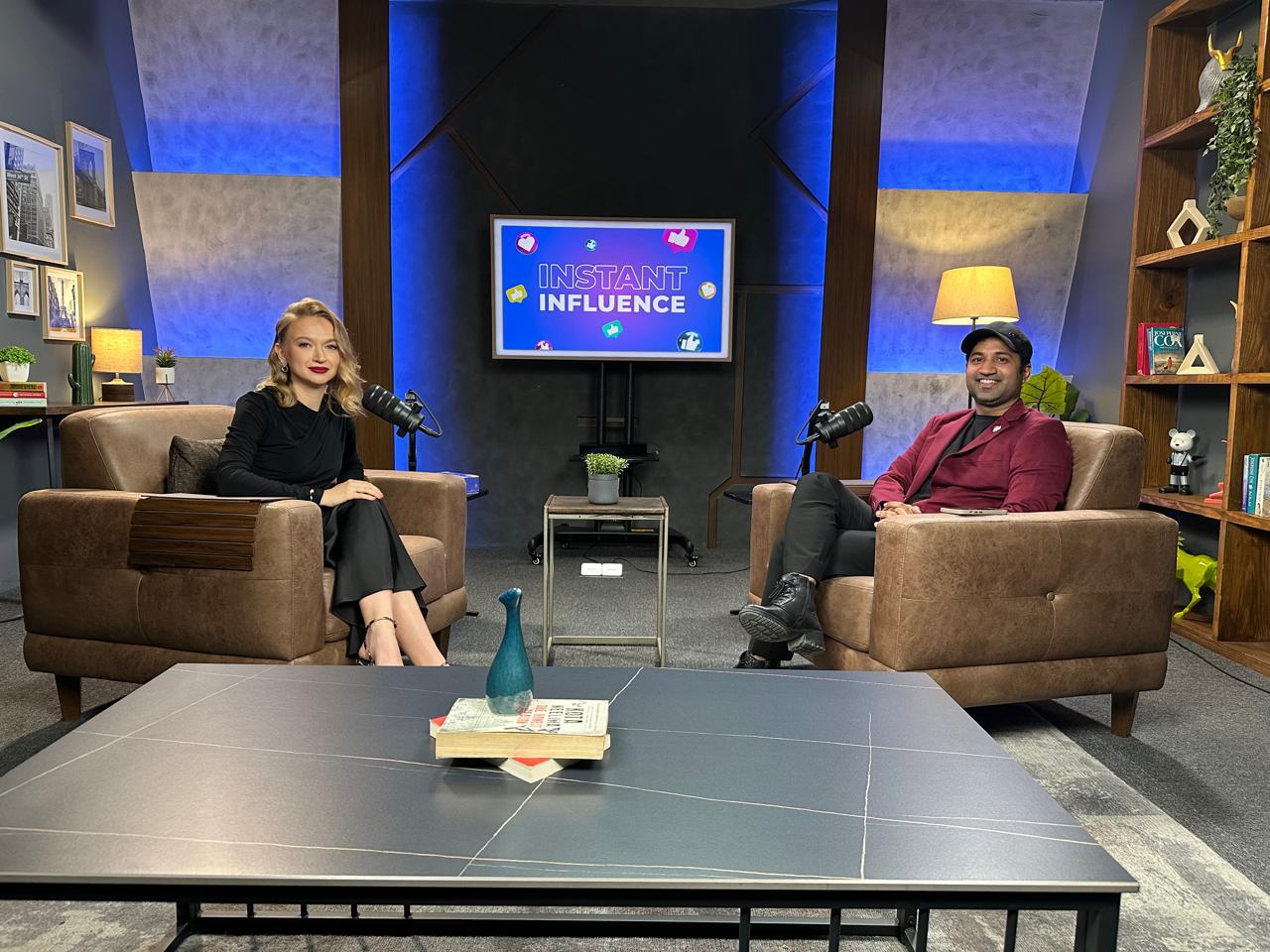
Business Remedies | Shruti Kothari | Sr. News Editor | May 19,2025 | Visionaries with Shruti Kothari : From the stark winters of Siberia to the bustling streets of Bengaluru, Yulia’s journey is a masterclass in reinvention and resilience. Defying cultural boundaries and expectations, she transformed love and passion into a thriving entrepreneurial odyssey. Today, she’s not only shaping brands but pioneering a movement for women’s empowerment—bridging worlds with grace, grit, and an unyielding belief in following one’s heart. Join us as she unpacks her incredible journey, the lessons learned, and her vision for a future where women’s voices and leadership redefine success in India and beyond.
In conversation with Yulia Aslamova, Influencer, Business Strategist, and Founder Championing Women’s Leadership, Bengaluru
 Q: From Siberia to Bengaluru—what inspired such a big leap, and how did that journey shape you as an entrepreneur?
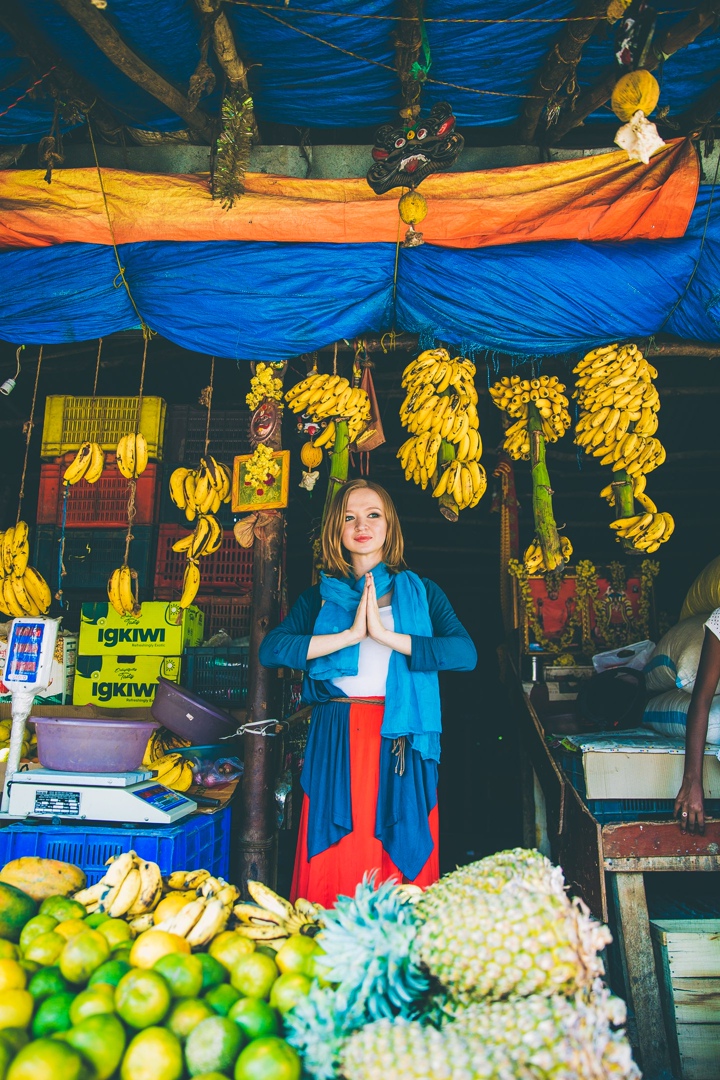
A: It started as a business trip—and turned into a love story. I met my husband in India, and despite my family’s concerns, I followed my heart and moved here to start fresh.
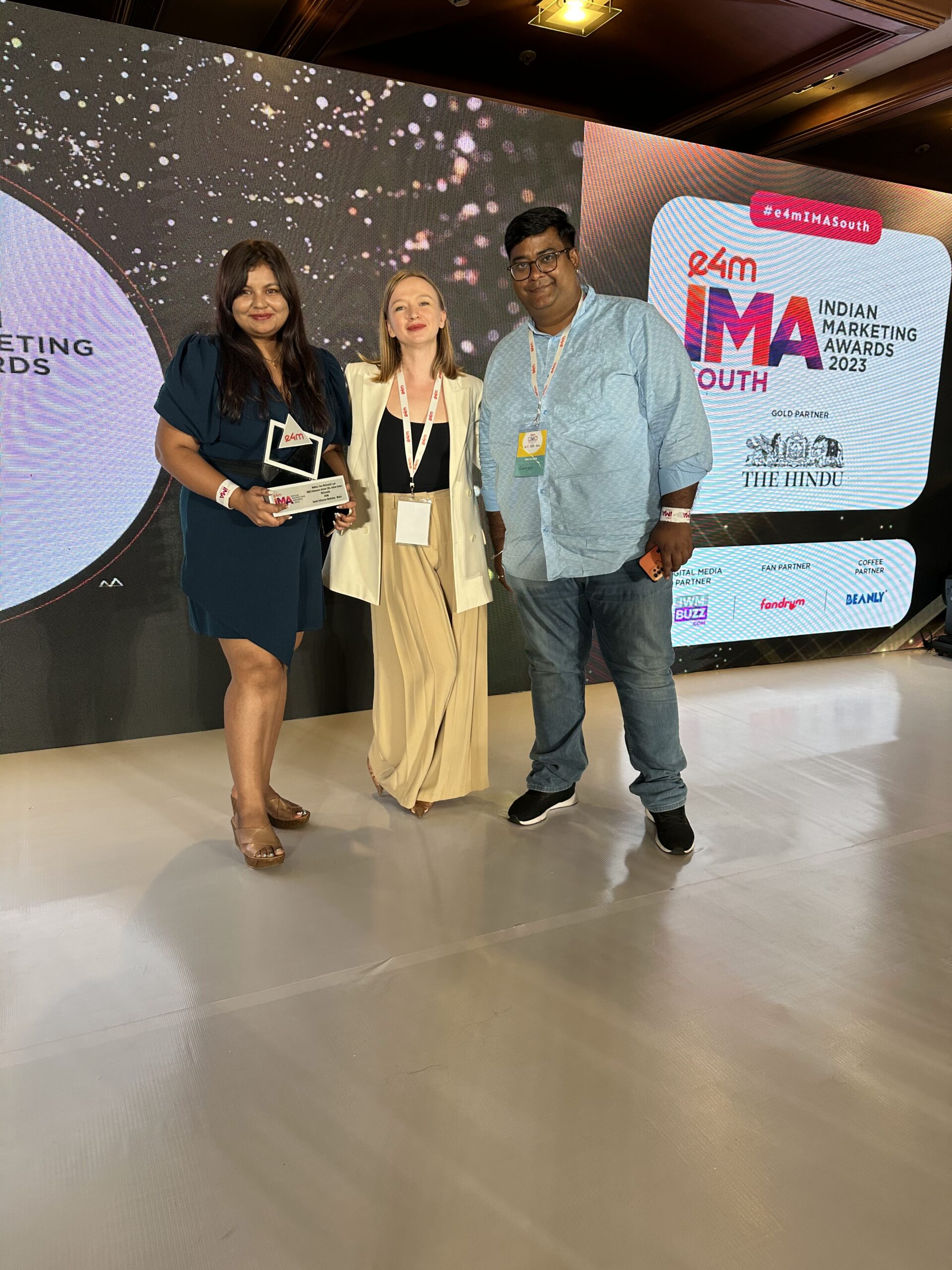
I came with just one promise: love. But I knew I wanted more—to be independent, build a meaningful career, and truly make India home. Since then, I’ve worked in consulting, taken on corporate roles, launched a PR agency, co-founded ventures, and now I’m building a women empowerment movement and launching my podcast, Code of Influence.
Along the way, my experience as an influencer shaped a lot of my approach. I truly believe it’s one of the best career paths today—if done right. Most creators don’t realize the power they hold. Beyond sponsored posts, they can build entire businesses: revenue-sharing models, online courses, brand partnerships—even launching their own brands.
It takes courage, time, and serious effort—but it’s absolutely worth it. For me, India became the place where I could live by my motto: Do what you love. Love what you do.
 Q: How do you define success, and has that evolved over time?
A: What if we measured success by how many sunrises and sunsets we witness?
To me, success means living meaningfully, enjoying the journey, creating memorable experiences, and working with passion. My personal metric is simple: What percentage of your time are you truly happy? For a healthy life, I think that should be 90% happy.
 Q: What does a typical day look like for you, balancing so many roles?
A: I’ve embraced my fitness journey—it’s a big part of my routine. I call it blisscipline.
- My mornings start slow with coffee on the terrace.
- I work out or run 20–22 times a month.
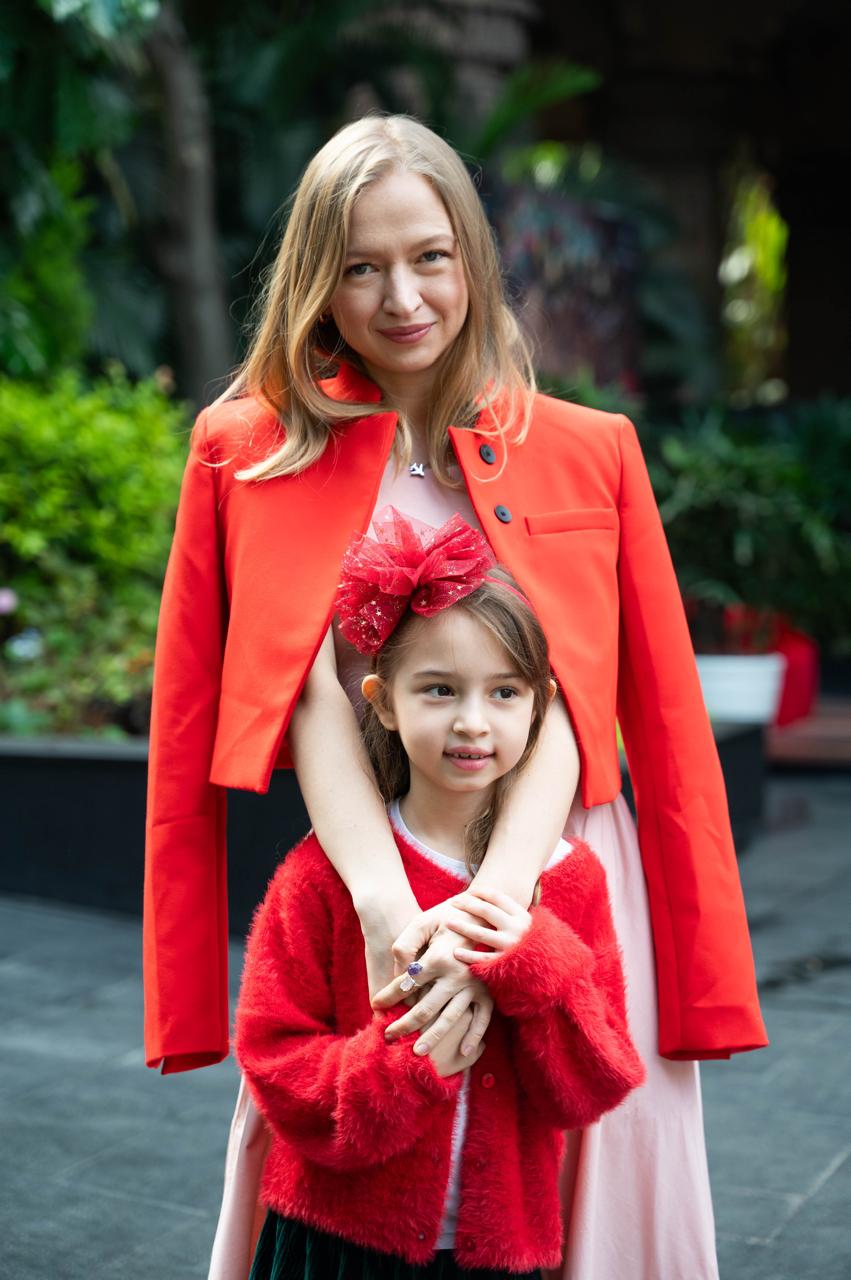
- I spend quality time with my daughter, go on playdates, and travel often.
My secret? Delegation. I outsource anything that doesn’t bring me joy or make me a better person. I don’t enjoy cooking, so I delegate it. But I’ll never delegate picking up my daughter from the school bus—some moments are too precious.
Q: What’s a major challenge you’ve faced as an entrepreneur, and how did you overcome it?
A: Entrepreneurship can be lonely—Instagram doesn’t show the tears, the 4 AM work nights, or the emotional toll. But I’ve learned to ask for support, lean on mentors, and most importantly, become a good teammate to myself.
When self-doubt creeps in, I remind myself: It’s normal. Everyone feels this. And everything will work out.
 Q: How would you describe your leadership style?
A: I lead with trust and empathy. I believe everyone on my team gives their best, and my role is to empower them and support their growth. Their success is my success.
My leadership style is rooted in leading by example, planning for uncertainties (always have Plan B, C, D!), and creating a space where people can learn and grow from experiences.
 Q: How do you stay innovative in a fast-changing world?
A: Travel and life experiences fuel my creativity. The broader your perspective, the more innovative your thinking becomes.
I also try to spend 1–2 hours a day just thinking—what are the 20% of actions that could deliver 80% of the results?
Q: What advice would you give to aspiring women entrepreneurs?
A: Women are naturally more cautious risk-takers compared to men. Plus, motherhood and parenting responsibilities often fall more heavily on us.
So, here’s my advice: Be your own best teammate. Know that you’re a good mom—even if you’re working full-time or bringing your child to the office. Take risks. Invest in yourself. Stop focusing on pleasing others—focus on growing yourself.
Q: Who are some women leaders you admire, and what can the business community do to better support women in leadership?
A: I truly admire Dr. Somdutta Singh, CEO and co-founder of Assiduus Global, and Vani Kola. Their leadership, clarity, and unwavering focus are incredibly inspiring.
To support more women in leadership, the business community needs to give women the space to grow without questioning their capability—especially when they’re at pivotal life stages like planning motherhood. Emotional safety in the workplace is crucial, and in India, that’s something we need to prioritize more intentionally. When women feel supported, they thrive—and when they thrive, businesses do too.
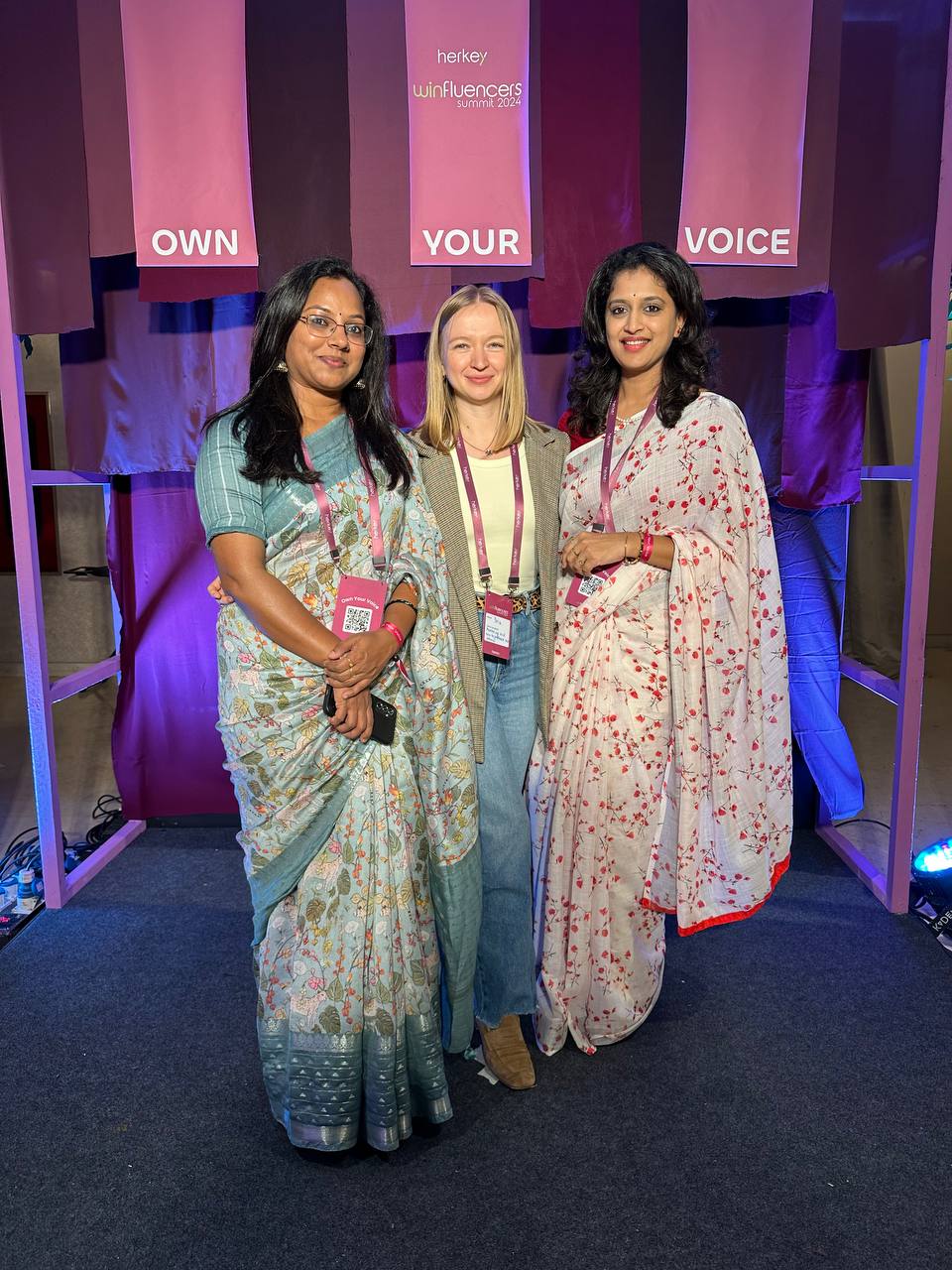 Q: How has working in India shaped your business strategies, and how important has networking been?
A: India is fast-growing, full of energy and opportunity—but it’s also a tough market that demands local presence and deep understanding.
Success here depends not just on strategy, but on relationships. India truly runs on chai and connections. Building a strong, personal network has been essential to navigating and thriving in this environment.
Q: You’ve mentioned some powerful data about gender representation in entrepreneurship. Can you share some India-specific insights on women’s participation in business and startups?
A: Absolutely. India has one of the lowest women-to-men ratios in entrepreneurship among major economies, though we’re slowly seeing improvements.
- Only about 14% of entrepreneurs in India are women, according to various reports including NSSO and Bain.
- That translates to a 1:6 ratio—for every one woman entrepreneur, there are six men.
- When it comes to startups and VC-backed ventures, the disparity is even starker:
- Women-founded startups receive less than 5% of the total VC funding.
- However, it’s encouraging to see that women-led startups—especially in sectors like D2C (Direct-to-Consumer) and health-tech—are growing faster than male-led ones.
Here’s a quick snapshot of global gender ratios in entrepreneurship:
| Region | Women : Men |
|---|---|
| Global Average | ~1 : 2 |
| India | ~1 : 6 |
| United States | ~1 : 1.6 |
| Sub-Saharan Africa | ~1 : 1 (near parity in some nations) |
These numbers highlight the need for focused support, resources, and safe environments to truly empower women entrepreneurs in India.
Q: What does the future look like for you?
A: I believe India is not just the best place to build a business—it’s where global change will begin, especially for women.
My goal is to keep growing professionally, continue empowering women, and build a legacy that inspires others to do the same.
 Written & Edited By:
Shruti Kothari