

Charu Bhatia
Jaipur
Business Remedies. As temperatures soar each year, so does consumer appetite for frozen indulgence, and the ice cream industry is cashing in. Once considered a seasonal luxury, ice cream has now become a year-round business, with summer remaining its peak season for both innovation and revenue. The summer treats economy is witnessing a resurgence, driven by evolving consumer preferences, health-conscious innovation, and regional customisation.
A $70 Billion Global Market
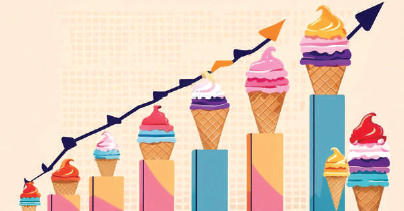
According to Fortune Business Insights, the global ice cream market was valued at $73.61 billion in 2023, and is expected to grow at a CAGR of 5.2%, reaching over $100 billion by 2030. The key drivers? Rising disposable incomes, rapid urbanisation, and the unstoppable rise of artisanal and health-conscious ice creams.
In India alone, the ice cream industry is expected to grow from Rs. 20,000 crore to nearly Rs. 40,000 crore by 2028. Brands like Amul, Kwality Wall’s, Havmor, and Naturals are aggressively expanding their cold chain logistics and launching regional flavours like pan kulfi, gulkand, and jamun.
The Seasonal Surge
While ice cream is consumed throughout the year, summer accounts for nearly 60% of annual sales for most manufacturers. The seasonal spike often leads to short-term employment boosts across logistics, sales, and retail, especially in tier-2 and tier-3 cities.
Pop-up ice cream carts, cloud kitchens, and e-commerce deliveries via Swiggy Instamart or Blinkit are now critical parts of seasonal strategy. Moreover, summer specials and limited-time offers help brands capitalise on the “treat yourself” mentality prevalent in hot months.
Trends Shaping the Market
1. Health and Wellness Boom
Low-fat, keto-friendly, vegan, and sugar-free variants are no longer niche. Brands like NOTO, Get-A-Way, and Baskin Robbins’ “live light” range are tapping into India’s growing fitness-conscious segment.
2. Premiumisation and Local Artistry
Consumers are now willing to pay Rs. 200-300 for artisanal scoops made from organic milk or infused with Himalayan sea salt, saffron, or hand-picked mangoes. This “premiumisation” trend is a key growth driver, especially in metros.
3. Sustainable and Smart Packaging
With ESG trends influencing FMCG, many ice cream brands are shifting to biodegradable spoons, paper-based tubs, and QR-coded traceable ingredients. Conscious consumption is becoming a brand differentiator.
4. AI-Driven Demand Forecasting
Big players are now leveraging AI to track temperature forecasts and consumption patterns to plan inventory and delivery more efficiently, especially during summer festivals, cricket matches, and public holidays.
Challenges: Cold Chain, Competition, and Climate
While demand is rising, cold chain infrastructure remains a major bottleneck, especially in rural areas. Intense competition from local and global players also pressures margins. Ironically, climate change is another looming threat, erratic weather affects both dairy supply and consumption predictability. The ice cream industry isn’t just selling cones and cups, it’s selling comfort, nostalgia, and affordable indulgence. As summer gets hotter and consumer preferences cooler, the industry’s ability to innovate and adapt will define who leads this growing sweet economy.