
Jaipur | Charu Bhatia
A quiet but powerful shift is reshaping the textile and fashion ecosystem: the rise of fabric influencers and the fast-growing DIY creator economy. What was once a niche hobby dominated by small sewing communities has evolved into a thriving digital marketplace, where creators influence fabric trends, drive purchasing decisions and even shape product development.
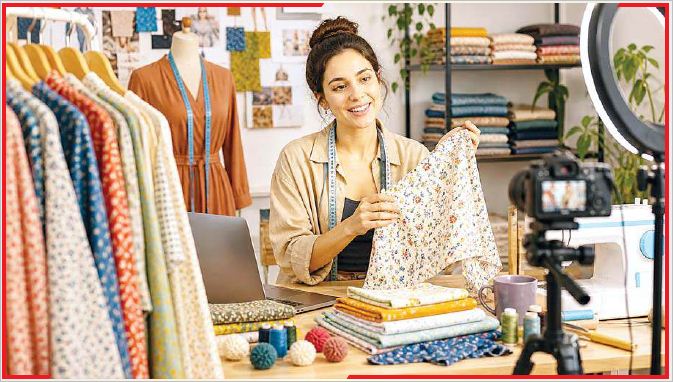
Social media platforms such as Instagram, YouTube and Pinterest have become virtual fabric marketplaces. Sewing enthusiasts, fashion students, home décor creators and craft entrepreneurs now share tutorials, fabric reviews and step-by-step design projects with global audiences. These creators are no longer just hobbyists; many are building full-fledged businesses and acting as trusted voices for textile brands.
Fabric influencers typically focus on areas like garment sewing, quilting, embroidery, upholstery and textile art. Through reels, short videos and live sessions, they showcase how specific fabrics behave when stitched, washed or styled. This type of real-life demonstration has become a powerful marketing tool, helping consumers make informed purchases online, something that was traditionally difficult without physically touching the fabric.
For fabric manufacturers and retailers, this shift is opening new revenue channels. Instead of relying solely on wholesale buyers or large fashion brands, companies are increasingly collaborating directly with creators. Influencers are being invited to co-design fabric collections, review new launches and host digital workshops. This creator-led promotion is often more relatable and cost-effective than traditional advertising, especially when targeting younger audiences and small business owners.
The growth of the DIY creator economy is also closely linked to the rise of home-based entrepreneurship. Platforms like Etsy, Shopify and Instagram Shops have enabled individuals to launch micro-brands selling handmade clothing, accessories and home décor. As a result, demand for small-batch, unique and customisable fabrics has surged. Print-on-demand textile services and digital fabric libraries are gaining popularity as they cater to this new wave of independent designers.
Another major driver of the trend is the broader shift towards slow fashion and conscious consumption. Many consumers now prefer handmade or limited-edition products over mass-produced clothing. DIY creators are meeting this demand by offering personalised and sustainable alternatives, often using organic, recycled or locally sourced fabrics.
For the textile industry, the rise of fabric influencers represents more than a social media trend, it signals a change in how fabrics are marketed, sold and consumed. As digital communities continue to grow, creators are becoming key partners in shaping demand, building brand trust and driving innovation.
The future of fabric retail may increasingly revolve around these creator-led ecosystems, where inspiration, education and commerce blend seamlessly in the digital space.