
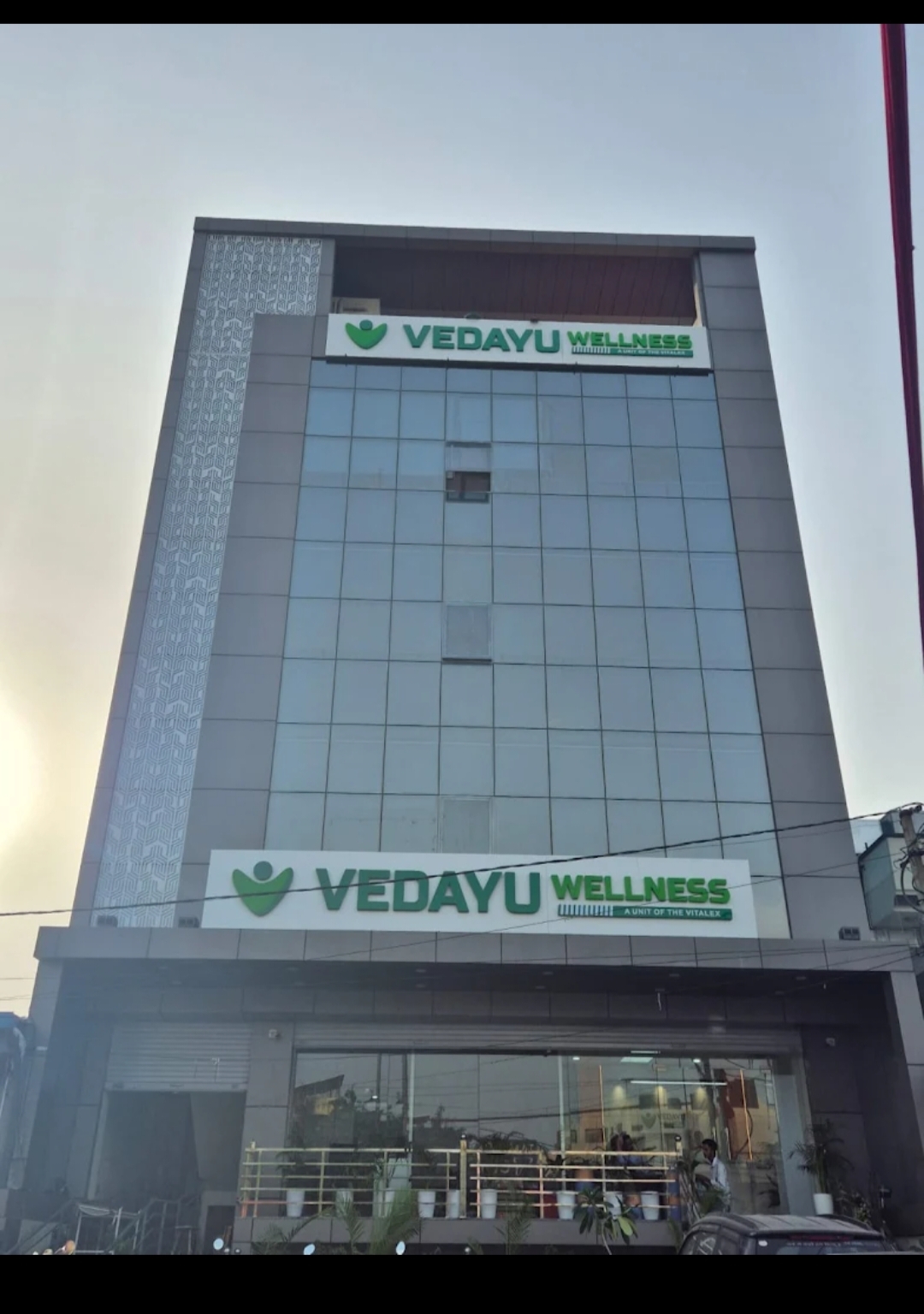
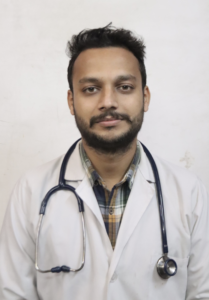
Charu Bhatia, Senior News Editor, Business Remedies, in conversation with Dr. Harshavardhan Singhal, Vaidya and Expert at Vedayu Wellness Ayurveda Panchakarma Hospital, Jaipur
With lifestyle-related ailments, stress-induced disorders, and chronic health conditions on the rise, many people are turning towards traditional systems of medicine in search of holistic and preventive healthcare solutions. Ayurveda, one of the world’s oldest healing sciences, continues to attract attention for its emphasis on treating the root cause of disease rather than merely managing symptoms. At the forefront of this movement is Dr. Harshvardhan Singhal, Vaidya and expert at Vedayu Wellness Ayurveda Panchakarma Hospital, Jaipur, who advocates the practice of authentic Panchakarma and individualized patient care. In this detailed conversation, Dr. Singhal shares insights on the principles of Ayurveda, the significance of Panchakarma, common myths surrounding traditional medicine, the challenges of modern urban lifestyles, and the growing role of Ayurveda in India’s healthcare landscape.
Question: You are working with Vedayu Wellness Ayurveda Panchakarma Hospital in Jaipur. What are the Ayurvedic procedures that you use here?
 Answer: Panchakarma is one of the most profound and authentic therapeutic systems within Ayurveda, yet it is often misunderstood. Many people mistakenly associate Panchakarma solely with massages and relaxation therapies. In reality, it is a highly structured detoxification and rejuvenation process that requires specialized infrastructure, trained practitioners, and carefully designed treatment protocols. Authentic Panchakarma is performed only at select centres across India, with Kerala traditionally being one of its most renowned hubs. In Jaipur, Vedayu Wellness Ayurveda Panchakarma Hospital is among the few institutions committed to practising classical Panchakarma in its true form.
At Vedayu, we employ a variety of Ayurvedic procedures aimed at restoring balance and promoting overall wellness. These include steam therapies conducted in specially designed chambers that facilitate the opening of body channels and support detoxification. Panchakarma therapies are intended to eliminate accumulated toxins, or ama, from the body through scientifically prescribed cleansing processes.
One of the important substances used during preparatory procedures is medicated ghee, which helps loosen toxins from deeper tissues. Depending on the patient’s condition and treatment plan, these toxins are subsequently expelled through therapies such as therapeutic vomiting or purgation. Ayurveda addresses the root cause of illness rather than merely suppressing symptoms. Conditions such as irritable bowel syndrome (IBS), cervical spondylitis, lumbar disorders, and various musculoskeletal ailments are managed through individualized treatment protocols. For example, in certain cervical conditions, medicated oils are administered in a highly controlled manner. Many patients seek Ayurvedic care to avoid invasive interventions, and our objective is to provide holistic treatment that focuses on long-term healing and functional improvement.
Question: How is Vedayu different from other Ayurvedic centres?
Answer: The distinguishing feature of Vedayu lies in its patient-centric and personalized approach. Ayurveda recognizes that every individual possesses a unique constitution, and therefore no single treatment can be universally applied. Before initiating therapy, we invest considerable time in understanding the patient’s medical history, lifestyle patterns, dietary habits, and underlying health concerns.
This detailed assessment enables us to formulate customized treatment plans tailored to each patient’s specific needs. We strictly adhere to classical Panchakarma procedures as described in ancient Ayurvedic scriptures, ensuring authenticity in both diagnosis and treatment.
Vedayu offers comprehensive Outpatient Department (OPD) as well as Inpatient Department (IPD) facilities. Seasonal variations are carefully considered while prescribing medicines and therapies, as Ayurveda places significant emphasis on the influence of climate and environment on health. Even seemingly simple aspects, such as the medium through which medicine should be consumed, whether plain water, fennel-infused water, or another prescribed vehicle, are taken into account.
For patients admitted under IPD care, dietary management forms an integral component of treatment. Ayurveda considers food to be the first and most fundamental medicine. With 51 beds and NABH accreditation, Vedayu is among Jaipur’s largest Ayurvedic hospitals. Our integrated inpatient facilities allow patients to receive continuous therapeutic care, resulting in a more focused healing environment and often faster recovery.
Question: What are some of the myths that people have regarding Ayurvedic procedures?
Answer: One of the most widespread misconceptions about Ayurveda is that it invariably requires a very long time to produce results. While chronic and advanced conditions naturally demand sustained treatment, timely intervention can significantly improve outcomes. If patients seek treatment before a disease progresses extensively and diligently follow the prescribed dietary and lifestyle recommendations, many conditions can be managed effectively.
Another common misconception is that Ayurvedic medicines can be consumed without professional consultation simply because they are considered natural. This assumption can be misleading. Ayurveda emphasizes personalized treatment, meaning that medicines suitable for one individual may not be appropriate for another. Factors such as age, constitution, digestive strength, disease stage, and lifestyle must all be considered before prescribing any remedy.
The internet has further contributed to confusion by spreading generalized advice that may not apply universally. Authentic Ayurveda relies on principles documented in classical texts known as Samhitas. For instance, Ayurvedic understanding of fever differs from conventional interpretations. It is believed that digestive fire, or agni, becomes disturbed during fever, weakening digestion. Consequently, fasting or consuming light foods may be recommended in certain situations. Ayurveda also recognizes 75 categories of fever, each requiring a distinct therapeutic approach rather than a one-size-fits-all treatment strategy.
Question: What is the role of an Ayurvedic doctor (Vaidya) in medicine?
Answer: The Ayurvedic physician, or Vaidya, serves as the crucial link between the wisdom contained in classical texts and the patient seeking healing. Beyond possessing academic knowledge, a Vaidya is expected to embody compassion, discipline, ethical conduct, and dedication to service.
The role extends far beyond diagnosing diseases and prescribing medicines. Ayurveda views health as a state of harmony encompassing the body, mind, and spirit. Therefore, a Vaidya supports patients not only physically but also emotionally and psychologically. Guidance regarding diet, lifestyle modifications, daily routines, and mental well-being forms an essential component of treatment.
The traditional Guru-Shishya lineage has historically played a vital role in shaping Ayurvedic practitioners. Many physicians continue to value mentorship and guidance from experienced teachers throughout their careers. Ayurveda also emphasizes the use of pure and wholesome ingredients in everyday life, including milk, natural sweeteners, quality salts, and other minimally processed foods.
According to Ayurvedic philosophy, preserving the health of a healthy individual is as important as treating disease. Prevention remains a foundational principle, making the physician’s role proactive rather than merely curative.
Question: What is the exact procedure of Panchakarma?
Answer: Panchakarma is not a single therapy but a comprehensive system of purification and rejuvenation. The exact treatment protocol varies according to the patient’s constitution, disease condition, age, season, and overall health status.
The process typically begins with preparatory procedures designed to mobilize toxins from deeper tissues into the digestive tract. Once adequately prepared, the patient may undergo one or more cleansing therapies, which can include therapeutic vomiting (Vamana), purgation (Virechana), medicated enemas (Basti), nasal cleansing procedures (Nasya), or blood purification techniques in selected cases.
Each procedure is administered under professional supervision and only after careful evaluation. Panchakarma aims to restore physiological balance, improve metabolism, enhance immunity, and support the body’s natural healing mechanisms. According to Ayurvedic practitioners, it can play a role in managing a wide range of conditions, including digestive disorders, musculoskeletal problems, chronic constipation, and certain lifestyle-related ailments.
Question: How is urban life different from rural life and what can corporate employees do to stay healthy?
Answer: Traditional rural lifestyles often involve greater physical activity and closer access to fresh, minimally processed foods. Many rural communities continue to consume locally sourced milk, curd, vegetables, and grains while engaging in regular manual work. These factors naturally support metabolic health and physical fitness.
Urban lifestyles, on the other hand, are characterized by sedentary habits, prolonged screen exposure, irregular eating patterns, and elevated stress levels. Corporate professionals frequently struggle to maintain healthy routines due to demanding schedules.
For such individuals, Ayurveda recommends periodic detoxification and preventive healthcare practices. Panchakarma, when advised by qualified practitioners, may be undertaken periodically to support overall well-being. Seasonal adaptation is another important concept in Ayurveda. Dietary habits should change according to climatic conditions, geographical location, and individual constitution.
Food combinations also hold significance. Ayurveda encourages mindful eating, proper meal timing, and consuming foods that align with one’s digestive capacity. Alongside these principles, adequate sleep, regular physical activity, and stress management are essential for maintaining long-term health.
Question: What kind of ailments do you treat through Panchakarma and Ayurveda in general?
Answer: Ayurveda classifies physiological functions according to the principles of Vata, Pitta, and Kapha. Imbalances among these governing forces are believed to contribute to disease.
There are various therapeutic approaches including Panchakarma, Agnikarma, and Vidhakarma. Agnikarma, for example, is traditionally associated with pain management techniques. At Vedayu, we perform original Panchakaram.
Conditions commonly addressed through Ayurvedic therapies include sciatica, frozen shoulder, cervical and lumbar spondylitis, digestive disorders, acidity, chronic gas, sinusitis, asthma, and certain kidney-related complaints. Each patient undergoes individualized assessment before treatment recommendations are made.
Question: What is your view on the use of technology in Ayurveda?
Answer: Technology has undoubtedly enhanced healthcare delivery and can contribute positively to Ayurveda, particularly in the development of medical instruments, diagnostic support systems, hospital management, and manufacturing processes.
However, Ayurveda fundamentally relies on clinical observation, personalized diagnosis, and the wisdom transmitted through the Guru-Shishya tradition. Technology can assist practitioners, but it cannot replace the human judgment, experience, and intuition that characterize a skilled Vaidya. The preservation and revival of traditional learning systems remain essential for maintaining the authenticity of Ayurvedic practice.
Question: What do you think about the present role of the government in encouraging Ayurveda?
Answer: Government support for Ayurveda has grown significantly in recent years. Both central and state governments have undertaken initiatives aimed at promoting traditional systems of medicine through education, awareness campaigns, healthcare infrastructure, and research programs.
Ayurvedic pharmacies, wellness centres, and public health outreach activities have expanded considerably. Health camps and wellness programs are being organized more frequently, helping increase public awareness about preventive healthcare. Educational institutions dedicated to Ayurveda are also growing, reflecting a broader commitment to strengthening this traditional medical system, for example, an Ayurveda university is being proposed to be opened in Ajmer, which will be second of its kind after Jodhpur.
The organization of health fairs like Arogya melas, awareness drives, and academic initiatives has encouraged greater participation among young people and contributed to the growing popularity of Ayurveda across the country.
Question: How do you see Rajasthan’s position in practising Ayurveda compared to other states?
Answer: Rajasthan has witnessed remarkable growth in Ayurvedic awareness and practice over the past few years. Increased governmental support, educational initiatives, and public outreach programs have contributed significantly to this progress.
The state now hosts a growing number of practitioners, institutions, and wellness facilities dedicated to Ayurveda. As awareness continues to rise, Rajasthan is well positioned to emerge as an important centre for Ayurvedic education, treatment, and research.
Question: What kind of food items are recommended by Ayurveda?
Answer: Ayurveda advocates the consumption of pure, wholesome, and naturally sourced foods. Equal importance is given to the quality of ingredients and the manner in which they are combined and consumed.
Traditional foods such as pure honey, quality oils, fresh milk, and ghee are highly valued. Rock salt is often preferred over heavily processed alternatives. Ayurveda also emphasizes understanding food compatibility, as certain combinations may support health while others may disrupt digestion and balance.
Special practices such as Swarnaprashan are traditionally performed for children in certain Ayurvedic traditions. Ultimately, dietary recommendations are personalized and aligned with an individual’s constitution, age, season, and health status.
Question: What are your suggestions for reducing stress among urban youth?
Answer: The increasing pace of modern life has made stress management an essential component of health. Ayurveda recommends a holistic approach that integrates physical, mental, and emotional well-being.
Regular practice of yoga and meditation can help improve concentration, reduce anxiety, and enhance resilience. Maintaining a nutritious diet, ensuring adequate sleep, and following a disciplined daily routine are equally important.
Question: In Ayurveda, what research areas are currently important?
Answer: Research in Ayurveda is being conducted across numerous national and state-level institutions, covering areas such as herbal pharmacology, integrative medicine, chronic disease management, and preventive healthcare.
At the same time, many practitioners believe that classical Ayurvedic texts contain an immense reservoir of knowledge that continues to reveal new insights through deeper study and clinical application. Continuous observation of patients, documentation of outcomes, and practical experience remain vital components of Ayurvedic advancement. The integration of traditional wisdom with modern scientific methodologies offers significant opportunities for future growth.
Question: What advice would you like to give to young people who want to pursue Ayurveda as a career?
Answer: Students aspiring to build careers in Ayurveda should approach the field with curiosity, dedication, and a lifelong commitment to learning. Travelling extensively, observing diverse clinical practices, and learning under experienced Vaidyas can provide invaluable exposure.
Young practitioners should be willing to step beyond their comfort zones and explore different perspectives within the discipline. A strong foundation in classical texts, combined with practical clinical experience, is essential for success. In today’s evolving healthcare landscape, combining Ayurvedic knowledge with innovation, communication skills, and entrepreneurial thinking can create meaningful opportunities for professional growth while contributing to the advancement of holistic healthcare.


