

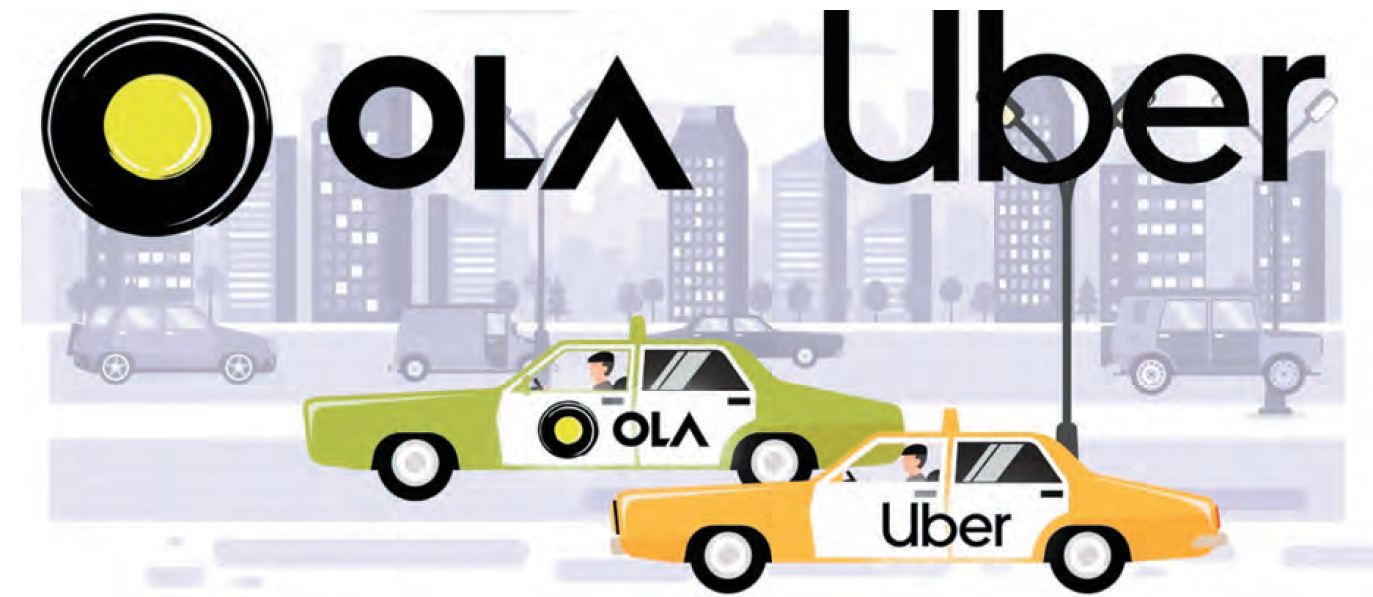
Business Remedies | Jaipur | Which app comes to your mind when you want to book a cab? It’s either Uber or Ola. You also think of Rapido but it has gained popularity recently. Otherwise, Ola and Uber are the go-to options for most people. But have you ever wondered why these brands are top of mind when it comes to ride-booking? It’s because of high brand awareness. And what did they do to become this popular? It’s because they’ve built a strong presence in the minds of consumers, making them the first choice when booking a ride.
Let’s compare their marketing strategies and discover what they did right to become this well-known.
Brand Overview: Uber vs. Ola
Ola
Bhavish Aggarwal and Ankit Bhati started Ola as a humble taxi service in Bangalore. Later, it became so huge that in just 4 years, it reached almost 100 cities in India. Over time, they have expanded their offerings to include auto-rickshaws, bikes and even electric vehicles. It’s because they understand the needs of their local consumers. The brand positions itself as a reliable, affordable and convenient option for urban commuters.
Uber
Uber, launched in 2009 in San Francisco, has grown into a global leader in the ride-booking industry. They started their operation in India in 2013 as a part of their global expansion strategy. They provide different kinds of cab booking services in India like UberX for affordable rides, Uber Intercity to travel from one city to another and much more. It’s evident that they understand the Indian market very well and offer services accordingly.
Ola vs. Uber Brand’s Audience
Ola’s primary audience includes price, sensitive consumers in India who value affordability and local customisation. Most of their customers are millennials as per a study by Statista. These individuals want economical options for their commute and hence use Ola for transportation.
Uber, on the other hand, caters to a more diverse audience. This includes individuals who are travelling to other cities for work and want reliable transportation. Additionally, they also target individuals who want to use a taxi but at lower fares.
Ola vs Uber Brand Positioning
Ola and Uber have similar brand positioning in the Indian market. Both companies are perceived as go-to apps for booking a cab or auto in the Indian market. They’ve become synonymous with convenient, on-demand transportation. Whether you’re in the bustling streets of Mumbai or the quieter lanes of a tier-2 city, Ola and Uber are likely the first apps you think of when you need a ride. This strong brand recall reveals how effectively both companies have embedded themselves into the daily lives of Indian consumers.
Ola vs Uber Marketing Strategies
Social Media Strategy
Ola is pretty consistent on social media. They leverage all popular platforms like Instagram, Facebook and X. They keep their content relatable for Indian consumers with posts covering serious issues at times. By doing this, they portray themselves as a responsible corporate citizen.
Uber India is also consistent on social media. Their posts are more fun, relatable and highly engaging for Indian consumers. Additionally, they do a lot of influencer marketing by collaborating with popular influencers. This indicates that they are trying to target more Gen Z and millennial audiences.
In-app Marketing
Ola uses in-app notifications, personalised offers and rewards programs to keep users engaged and encourage repeat bookings. For instance, Ola might offer discounted rides during peak hours or festive seasons. They might be doing this by using data-driven insights to target users based on their travel patterns and preferences. This approach not only boosts user retention but also enhances the overall customer experience by providing value at key touch points.
Uber’s in-app marketing strategy is similarly data-driven. They also give discounts on frequently travelled routes or incentives for using new services like Uber Auto. And they also promote these offers by sending push notifications to users.
 Written & Edited By:
Charu Bhatia