


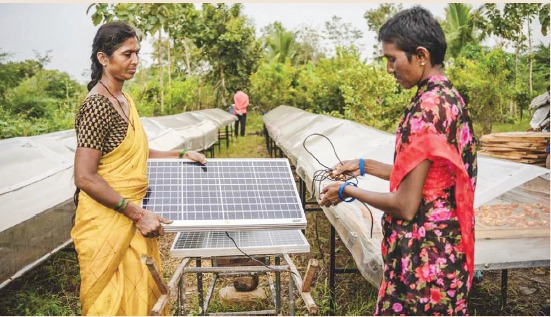
Business Remedies| Charu Bhatia | July 15,2025 | In the quiet lanes of rural India, a silent revolution is brewing. Armed with smartphones and digital tools, local artisans, farmers, weavers, and small traders are transforming themselves into micro-entrepreneurs, riding on the wave of digital platforms that connect them directly to markets, resources, and customers. The phenomenon of micro-entrepreneurship platforms is fast emerging as a powerful driver of rural economic resilience and growth, not just in India, but across developing economies worldwide.
A New Economic Architecture
Traditionally, rural economies have been constrained by geography, fragmented supply chains, and limited market access. Middlemen often dictated prices, leaving producers with thin margins. But technology is changing that narrative. Digital micro-entrepreneurship platforms are giving individuals the tools to become business owners rather than mere workers.
Platforms like Meesho, ReshaMandi, DeHaat, Haqdarshak, and even social media giants like WhatsApp and Instagram have become business enablers in rural India. These platforms help micro-entrepreneurs manage everything, from inventory and payments to customer engagement and logistics, often through user-friendly apps in local languages.
A weaver in Varanasi can now sell directly to customers in Mumbai or Delhi, a farmer in Bihar can access crop advisory services and fairer prices for his produce, and a homemaker in a small village can earn an income by reselling products online, all without leaving home.
Economic and Social Impact
The growth of micro-entrepreneurship platforms is having a significant socio-economic impact:
Income Diversification: Rural households gain new income streams, reducing dependency on seasonal agriculture.
Women’s Empowerment: A large proportion of new micro-entrepreneurs are women, who are leveraging digital platforms to generate income while balancing household responsibilities.
Skill Development: Users develop digital and entrepreneurial skills, improving their long-term economic prospects. Local Economy Boost: Earnings circulate locally, fueling demand for services, education, and better living standards.
According to Bain and Company, India’s social commerce market alone could reach $70 billion by 2030, driven largely by rural and small-town sellers. Similar trends are visible in Southeast Asia and Africa, where micro-entrepreneurship is becoming a cornerstone of rural development strategies.
Challenges on the Road Ahead
Despite its promise, this ecosystem faces challenges:
Digital Literacy Gaps: Many potential entrepreneurs still lack basic digital skills.
Trust and Payments: Digital payments and online transactions require overcoming trust barriers, especially in older populations.
Infrastructure: Connectivity remains patchy in some rural pockets, limiting consistent digital engagement.
Market Competition: As more sellers enter platforms, differentiating products and maintaining margins becomes crucial.
Governments, startups, and NGOs are stepping in with training programs, financial literacy campaigns, and infrastructure investments to address these gaps.
The Way Forward
Micro-entrepreneurship platforms are more than just business tools, they’re catalysts for social change. They’re reshaping rural economies from subsistence models to vibrant ecosystems of innovation and commerce.
For businesses and investors, this trend presents significant opportunities: tapping into an under-served yet increasingly connected consumer and producer base, creating products tailored for rural needs, and contributing to sustainable, inclusive economic growth. In the evolving story of rural development, micro-entrepreneurs aren’t just beneficiaries, they’re becoming the protagonists.
 Written & Edited By:
Charu Bhatia