

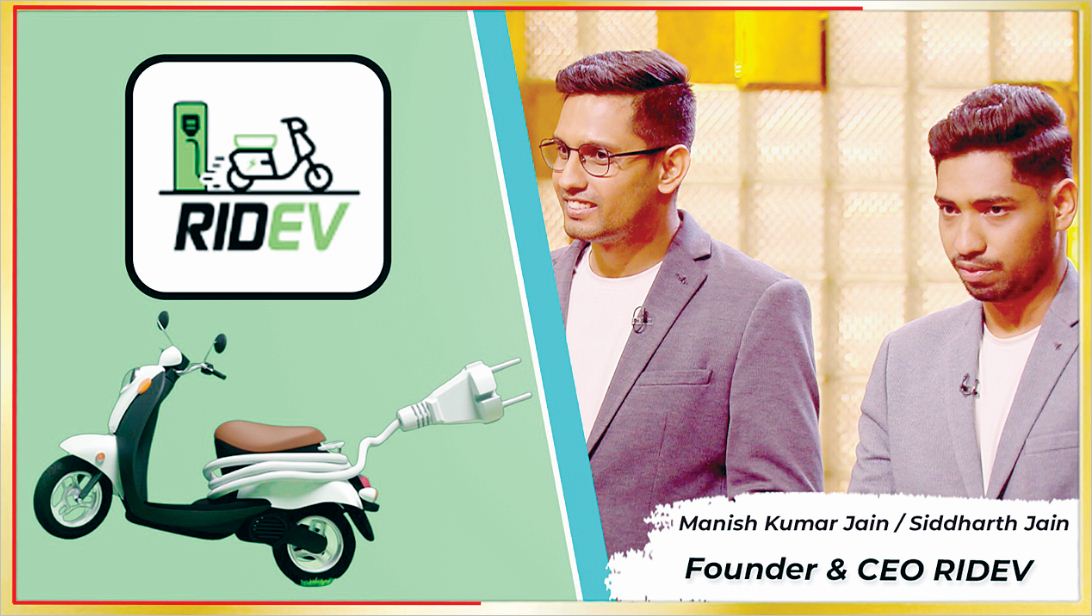
Business Remedies | Jaipur | Rajshree Upadhyaya | Manish Jain carved his niche by launching Ridev, an EV leasing ecosystem tailored for gig workers in India. At a time when delivery riders power everything from food apps to quick commerce, they often struggle with high vehicle ownership costs and rising fuel prices. In 2023, Jain founded the startup to address these challenges by offering a more accessible and sustainable mobility solution.
Instead of focusing on ownership, Ridev emphasized ease of use, enabling workers to earn without heavy upfront investment. The company built its foundation around electric two-wheeler leasing services, specifically designed for delivery partners who need reliable daily mobility. This model significantly lowered entry barriers, allowing riders to access vehicles through flexible plans rather than loans or outright purchases.
Over time, Ridev evolved beyond simple leasing into a more integrated ecosystem. It introduced fleet management solutions, maintenance support, and charging assistance, ensuring smoother operations and better vehicle uptime for users.
What sets Ridev apart is its strong focus on unit economics and operational discipline-especially in a capital-intensive segment. Instead of scaling aggressively without direction, the company prioritized utilization, ensuring each vehicle consistently generated revenue. This approach helped Ridev build a sustainable base before expanding into new clusters.
Its growth has been steady, driven by strong demand from gig workers seeking cost-effective alternatives to petrol vehicles, particularly as electric mobility gains popularity across urban India. The brand gained wider recognition after appearing on Shark Tank India Season 5, where Manish Jain presented the business as a scalable solution at the intersection of mobility and logistics.
Strengthening Its Position in the EV Ecosystem
The pitch highlighted how Ridev is not just leasing vehicles but also supporting livelihoods while promoting cleaner transportation. While the sharks raised valid concerns about the challenges of an asset-heavy business, Jain’s clarity of execution and deep market understanding helped build credibility.
The deal that followed reflected a practical funding structure suited to Ridev’s model, combining both equity and debt. This was particularly important given the capital requirements for acquiring assets in a leasing business. The investment not only provided financial backing but also validated the startup’s approach on a national platform, strengthening its position in the EV ecosystem.
By offering affordable EV leasing, Ridev reduces financial pressure on delivery riders. Its end-to-end fleet services improve efficiency and reliability for gig workers. At the same time, its focus on electric mobility helps lower emissions and reduce dependence on fossil fuels in last-mile logistics. This combination of economic and environmental value makes the model highly relevant today.
Expanding in India’s Urban Mobility Landscape
Ridev continues to grow within India’s urban mobility landscape. The company is focused on expanding its fleet, enhancing service infrastructure, and deepening its presence in high-demand delivery markets.
Although still in its growth phase, Ridev reflects a broader shift in how mobility is being reimagined-from ownership to access. Ultimately, Ridev’s story represents the essence of a new-age startup: identifying a real problem, building a practical solution, and scaling it with discipline. By aligning its model with the needs of gig workers and the advantages of electric vehicles, the company is steadily carving its place in India’s evolving transportation ecosystem.
 Written & Edited By:
Rajshree Upadhyaya