
West Asia conflict के बीच India ने LPG import sources बढ़ाए, OMCs पर ₹22,000 crore का बोझ
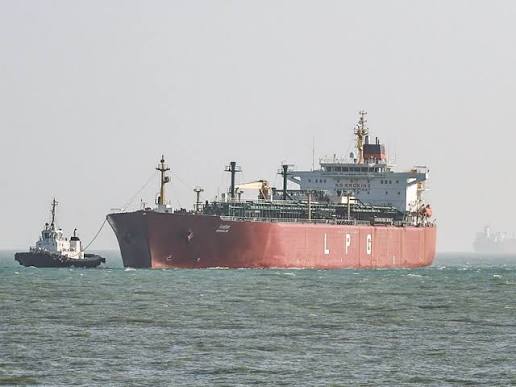
West Asia में हाल ही में हुए conflict के दौरान India ने Liquefied Petroleum Gas यानी LPG के import sources में diversification किया। Gulf region पर dependence कम करने के लिए India ने US, Iran और कई अन्य देशों से LPG sourcing बढ़ाई।
Crisil report के अनुसार, West Asia में geopolitical tension और supply disruption के कारण India की LPG import structure में बड़ा बदलाव देखने को मिला। Traditionally India अपनी LPG import जरूरतों का बड़ा हिस्सा West Asian countries से पूरा करता रहा है, लेकिन conflict के बाद sourcing pattern में बदलाव आया।
Report के मुताबिक, April 2026 तक United States India के लिए major LPG supplier बन गया और कुल imports में उसकी हिस्सेदारी करीब one-third तक पहुंच गई, जबकि February में यह share केवल 8 percent था।
यह shift late 2025 में India और US के बीच हुए 2.2 million tonne per year LPG supply agreement से संभव हुआ। यह agreement India की annual LPG import requirement का करीब 10 percent पूरा करता है।
Iran भी India के import basket में फिर से शामिल हुआ और April imports में उसकी हिस्सेदारी करीब 6 percent रही। इसके अलावा India ने Argentina, Chile, France और Netherlands जैसे देशों से भी LPG sourcing की।
Import sources diversify करने से conflict के दौरान supply security बनाए रखने में मदद मिली, लेकिन इसके कारण longer supply chains और higher freight cost का दबाव भी बढ़ा।
Supply disruption और बढ़ी हुई prices का असर domestic consumption पर भी दिखा। February में India की LPG consumption करीब 3.2 million tonnes थी, जो April में घटकर 2.47 million tonnes रह गई।
Fiscal 2025-26 में India की LPG consumption record 33.2 million tonnes रही थी, जो year-on-year basis पर 6 percent growth थी। लेकिन इसके बाद demand में sharp decline देखने को मिला।
March और April में LPG demand year-on-year basis पर 13 percent घटी, जबकि May में decline बढ़कर 20 percent तक पहुंच गया।
Report के अनुसार, commercial और industrial consumers सबसे ज्यादा प्रभावित हुए, क्योंकि उन्हें market-linked prices का सामना करना पड़ा। Higher prices और supply constraints का impact इन users पर तेजी से दिखा।
दूसरी ओर, household LPG demand relatively stable रही, क्योंकि domestic cooking gas की retail prices में limited increase किया गया।
Crisil ने बताया कि conflict के कारण global LPG prices में तेज उछाल आया। Indian imports के लिए benchmark मानी जाने वाली Saudi Aramco Contract Price February से June के बीच 46 percent बढ़ गई। इसका कारण supply disruption risk और higher freight cost रहा।
International prices में strong rise के बावजूद domestic LPG cylinder prices में comparatively limited increase किया गया। Delhi में 14.2 kg domestic LPG cylinder की price इस period में करीब 10 percent बढ़ी, जबकि 19 kg commercial cylinder की price में 79 percent से अधिक increase हुआ।
Domestic LPG prices को limited रखने के कारण oil marketing companies यानी OMCs की under-recovery में तेज बढ़ोतरी हुई, क्योंकि procurement cost retail selling price से काफी ऊपर चली गई।
Crisil के estimate के अनुसार, May में Delhi में domestic LPG cylinder पर under-recovery ₹651 per cylinder तक पहुंच गई। March-May period में government oil marketing companies को कुल मिलाकर करीब ₹22,000 crore की under-recovery झेलनी पड़ी।
Report में कहा गया है कि West Asia tensions में easing और key trade routes के संभावित reopening से immediate supply concerns कम हो सकते हैं और global LPG prices में moderation आ सकता है।
हालांकि इस disruption ने यह साफ कर दिया है कि India अभी भी imported LPG पर काफी dependent है और concentrated sourcing से जुड़े risks बने हुए हैं।
Overall, diversification और domestic production ने impact को cushion करने में मदद की, लेकिन LPG sector अभी भी geopolitical disruption, freight market volatility और global energy price swings के प्रति vulnerable बना हुआ है।
—Business Remedies