


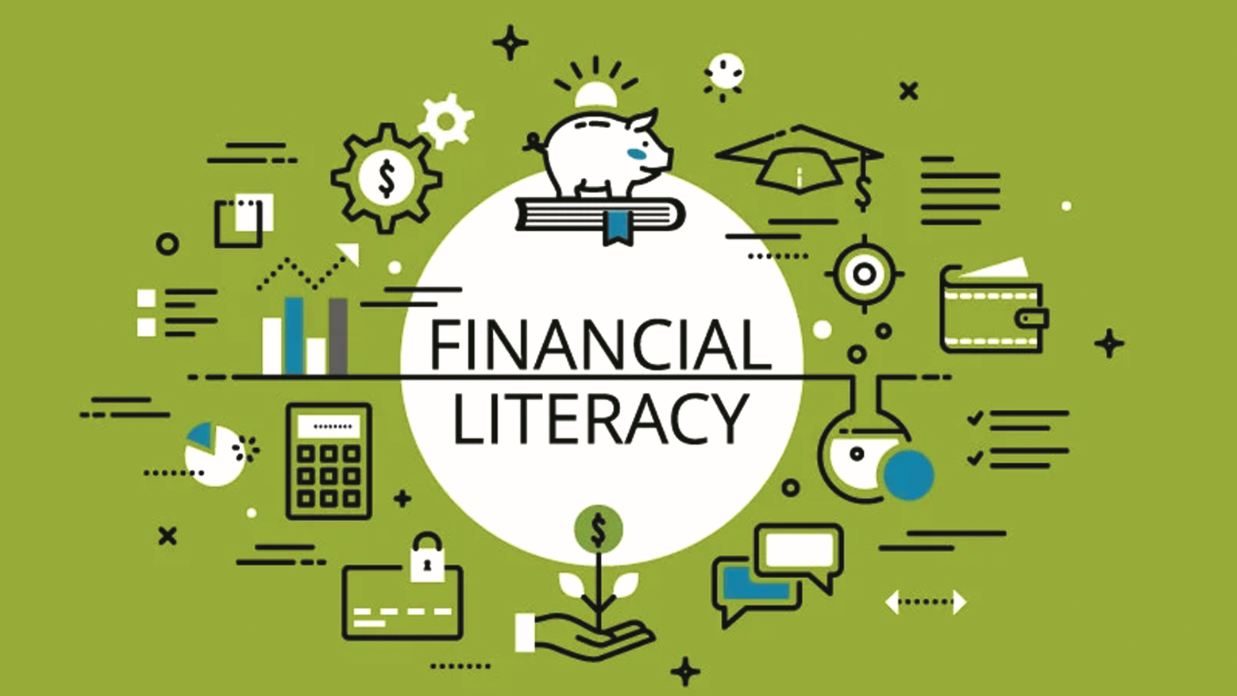
In today’s fast-paced and complex economic environment, financial literacy has emerged as a critical skill—especially for the youth. As young individuals step into adulthood, their ability to manage money wisely can determine not only their personal financial health but also contribute to the broader economic stability of nations. Recognizing this, businesses, educational institutions, and policymakers are increasingly focusing on empowering youth with financial knowledge and skills.
The Growing Importance of Financial Literacy
Financial literacy encompasses understanding key concepts such as budgeting, saving, investing, credit management, and responsible borrowing. Despite its importance, studies reveal a concerning gap: many young people lack the basic financial skills needed to make informed decisions. This gap often leads to poor financial habits, mounting debt, and missed opportunities for wealth creation.
In response, businesses are stepping up to address this challenge. Financial technology (fintech) companies, banks, and investment firms are launching initiatives targeted at educating young audiences through interactive apps, workshops, and digital content. These efforts aim to make financial education accessible, engaging, and relevant to the digital-native generation.
How Financial Literacy Benefits the Economy
When youth are financially literate, the impact extends beyond individual prosperity:
- Reduced Debt Levels: Educated individuals are less likely to fall into debt traps, easing the burden on financial institutions and social safety nets.
- Increased Savings and Investment: A financially savvy youth population is more likely to save and invest, fueling capital markets and economic growth.
- Entrepreneurial Growth: Understanding financial principles encourages young entrepreneurs to make sound decisions, increasing the success rate of startups.
- Informed Consumerism: Knowledgeable consumers drive demand for responsible products and services, shaping sustainable business practices.
Current Trends in Financial Education for Youth
The business sector is innovating in financial literacy education by incorporating:
- Gamification: Apps and platforms use game-like elements to teach financial concepts, making learning fun and effective.
- Personalized Learning: AI-driven tools tailor content to individual needs, helping users grasp topics at their own pace.
- Collaborations with Schools: Public-private partnerships integrate financial literacy into school curricula, ensuring early exposure.
- Social Media Campaigns: Influencers and brands leverage social platforms to spread financial awareness through relatable content.
The Role of Parents and Educators
While businesses play a crucial role, parents and educators remain foundational in shaping youth financial behaviors. Encouraging open conversations about money, modeling responsible financial habits, and providing practical experiences like budgeting allowances are vital steps toward lifelong financial competence.
Challenges and the Road Ahead
Despite progress, challenges persist. Socioeconomic disparities mean that access to quality financial education is uneven. Moreover, the rapid evolution of financial products, including cryptocurrencies and digital assets, demands continual updating of educational materials.
To build a truly secure economic future, collaboration among businesses, governments, educational institutions, and communities is essential. Tailored, inclusive, and up-to-date financial literacy programs can equip youth with the tools to navigate financial complexities confidently.
 Written & Edited By:
Charu Bhatia


