

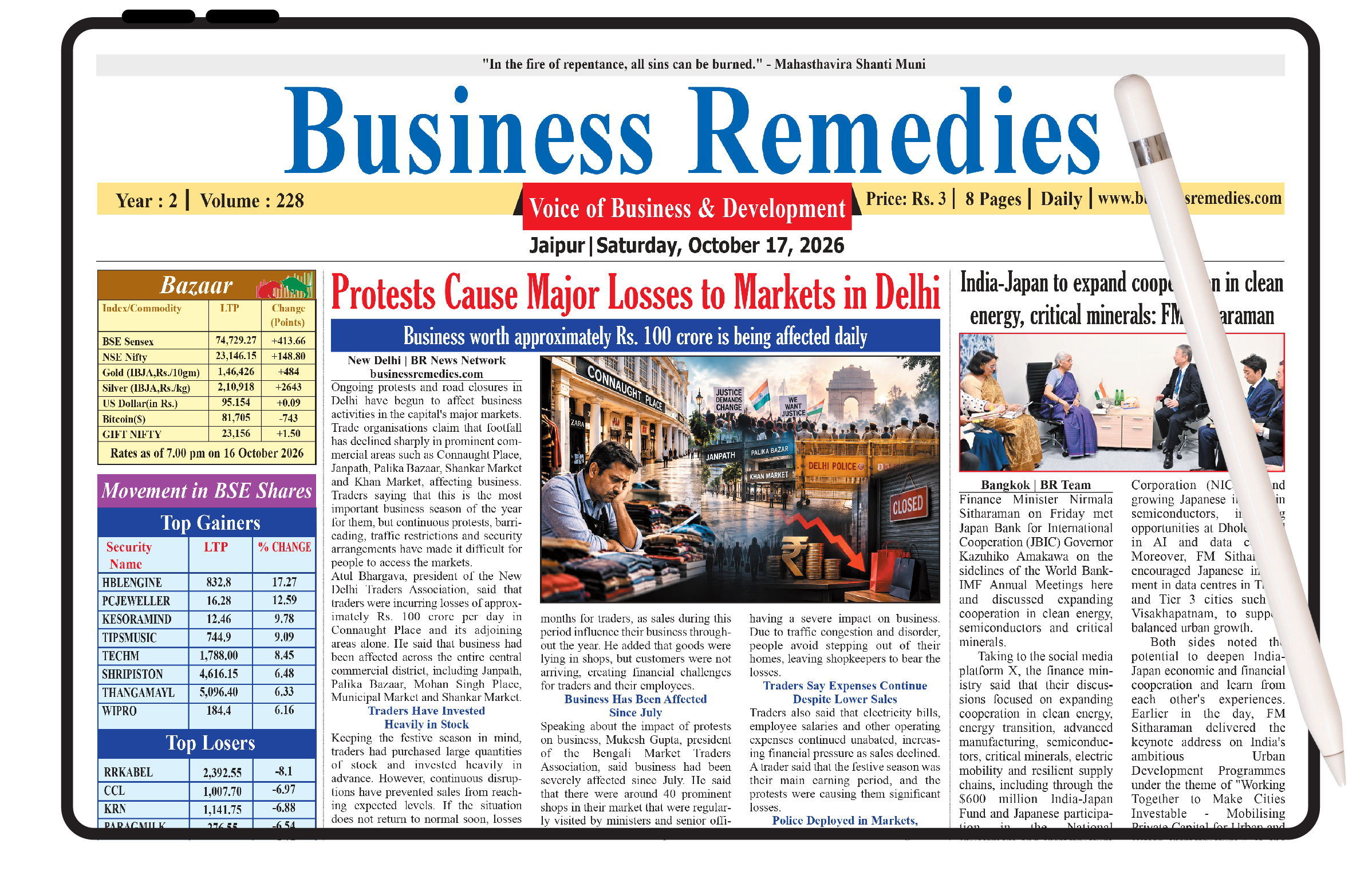
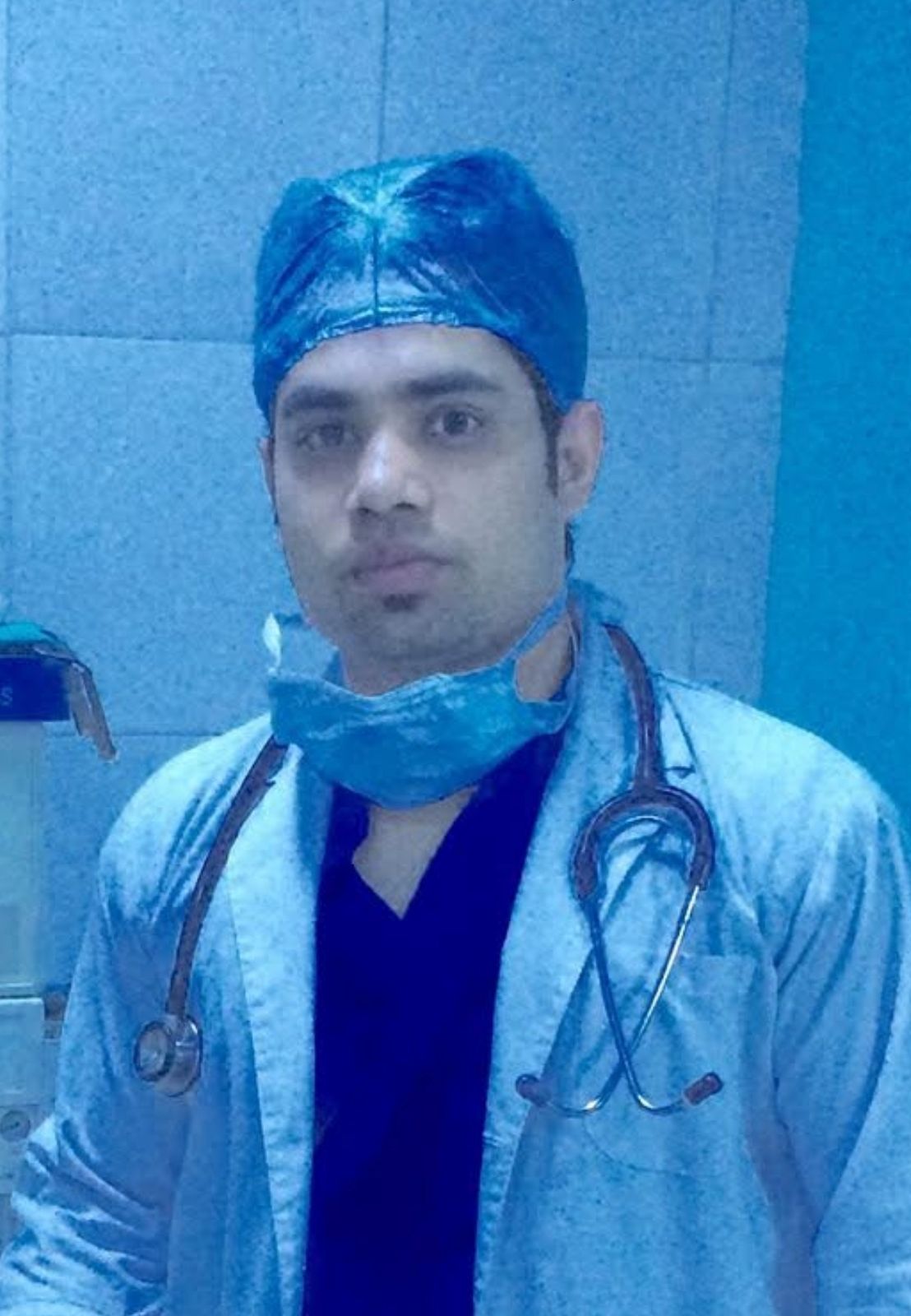
Charu Bhatia, Senior News Editor, in conversation with Dr. Rahul Kumar, a well-known Pulmonologist in Metro Mas Hospital
From rising pollution to post-Covid complications, respiratory diseases have become a growing health concern in India. Pulmonologists today play a critical role not only in treating tuberculosis but also in diagnosing complex lung conditions, managing ICU ventilator care, and advancing interventional procedures. In this in-depth conversation, Jaipur-based pulmonologist Dr. Rahul Kumar shares his personal journey into respiratory medicine, the evolving landscape of pulmonary care, common myths about lung health, and why awareness and early diagnosis are more important than ever.
Question: You are a renowned pulmonologist working in Jaipur currently. What inspired you in the beginning to pursue this field?
Answer: The inspiration to become a pulmonologist comes from a deeply personal experience in my childhood. My grandfather was a regular smoker and also used hookah for many years. Over time, he developed tuberculosis, and unfortunately, the disease eventually led to his death. I was in Class 9 at the time and around 15 years old. Watching his health decline had a profound impact on me and became the turning point that pushed me towards medicine, particularly pulmonology.
Talking about my professional journey, I have received advanced training from premier institutions including Maulana Azad Medical College and Vallabhbhai Patel Chest Institute, with a vast experience associated with AIIMS. I am currently associated with Metro Mas Hospital, Jaipur. I primarily focus on evidence-based treatment and comprehensive management of complex respiratory and critical care illnesses. I spent several years working in Delhi at Lok Nayak Hospital and also organised free medical camps to reach people who lacked access to healthcare. I belong to Gangapur town in Rajasthan and have also served as a visiting pulmonologist there. My current practice focuses on interventional pulmonology and respiratory medicine. In today’s urban environment, increasing pollution is contributing to a surge in respiratory illnesses, making early diagnosis and intervention more important than ever.
Question: How has the field of respiratory care evolved over years?
Answer: Earlier, pulmonology was not widely recognised as a specialty among patients. People would often refer to pulmonologists simply as “TB doctors.” Over time, however, the scope of the field has expanded significantly. Today, interventional pulmonology has introduced advanced diagnostic and treatment techniques that have broadened the role of chest specialists. Pulmonologists now manage lung cancer, pleural infections involving pus accumulation, and advanced lung procedures such as biopsies for tumour identification. Radiotherapy for lung cancer is also increasingly integrated with respiratory care.
Pulmonology was among the first medical fields to adopt artificial intelligence. AI has become extremely useful in gathering patient data and predicting diagnoses. In large medical camps involving thousands of patients, AI helps identify those who require urgent intervention. It enables faster evaluation, early reporting, and timely identification of serious conditions. However, technology also brings challenges. There is a risk of patient data leaks, and sometimes misdiagnosis can occur when personalised clinical judgement is not adequately incorporated.
Question: What are some of the misconceptions prevalent amongst general public about lung health?
Answer: There is a surprising lack of awareness about many lung conditions, even among educated individuals. For example, very few people know about Hypersensitivity Pneumonitis, a disease caused by sensitivity to pigeons. It falls under the broader category of Interstitial Lung Disease (ILD), which includes multiple subtypes such as silicosis, commonly seen among mine workers. Pulmonary function tests can help detect such diseases early.
Another major misconception is the confusion between ABPA (Allergic Bronchopulmonary Aspergillosis) and tuberculosis. ABPA is a fungal allergy that is frequently misdiagnosed as TB, which can be dangerous. A general physician may not always have the specialised training to differentiate between such conditions, making it important to consult a pulmonologist. Many people still hesitate to visit chest specialists.
A common myth is that asthma inhalers are harmful. In reality, oral medications often have more side effects. Inhalers are essential for reducing lung inflammation, especially in genetic forms of asthma, and they do not cause harmful side effects when used correctly.
Question: What are the common lung diseases that you treat in patients?
Answer: The most common conditions include dry and wet cough, asthma, chronic obstructive pulmonary disease (COPD) caused largely by smoking, interstitial lung diseases (which include around 20 subtypes), tuberculosis, and pneumonia.
Question: How has lifestyle affected pulmonary care?
Answer: Pollution is one of the biggest contributors to respiratory illness today. In cities such as Delhi, worsening air quality has led to rising cases of asthma and pneumonia, particularly among children below five years of age.
Dietary habits also play a role. Increased consumption of junk food weakens immunity, making the body more susceptible to infections that can escalate into serious illnesses. Stress, disturbed sleep patterns, and hormonal changes further harm overall health. I have been working on the idea of establishing specialised asthma and ILD clinics to provide targeted care. Besides, eating a healthy breakfast is essential for building strong immunity.
Question: What are the early signs and symptoms of respiratory diseases which should be watched carefully?
Answer: A persistent dry cough combined with weight loss, fever, and lethargy should never be ignored. Tuberculosis can cause permanent lung damage, so early evaluation by a chest specialist is crucial.
Question: How has COVID affected long term lung health?
Answer: COVID caused lasting lung damage in many patients. Some individuals experienced reduced lung capacity due to shrinking lung spaces. Treatment varies depending on the case and may involve steroids or other medications. Even today, patients continue to present with long-term complications. Those with diabetes, hypertension, or compromised immunity experienced faster disease progression and prolonged after-effects.
Question: Has awareness about lung health changed after the pandemic?
Answer: Awareness has increased significantly. Patients now better understand the importance of consulting pulmonologists directly rather than relying only on general physicians. They are more familiar with oxygen saturation monitoring and procedures such as bronchoscopy. Physicians are also referring respiratory cases more frequently to specialists.
Question: What can be some simple habits which can be followed for healthy lungs?
Answer: Quitting smoking is the most important step. Wearing masks in polluted environments, maintaining a healthy diet rich in vitamins and minerals, especially Vitamin C, eating eggs and a high-protein diet for immunity, practising deep breathing exercises and yoga, and staying well hydrated are all essential habits.
Question: What are some of the challenges faced by pulmonology department in hospitals?
Answer: A major challenge is patient acceptance. Many people fear procedures such as bronchoscopy despite their importance in early diagnosis. Another issue is the heavy patient load on physicians, which limits the ability to provide personalised attention and can sometimes lead to misdiagnosis. Therefore, seeing a pulmonologist is considered necessary.
Question: What do you think about the future of Pulmonology in the next decade?
Answer: The future of pulmonology is bright. Increasing use of AI and technology is improving patient outcomes. More doctors are choosing pulmonology as a super speciality, and the field has proven invaluable during crises such as COVID. The scope continues to grow in OPD care, interventions, and ventilator management.
Question: What are some of the areas of research which is ongoing in pulmonology?
Answer: One of my key research areas is sleep medicine and its impact on asthma and COPD. I am also studying occupational hazards, particularly among workers in paint and chemical industries, and conducting comparative research on asthma, with one of my colleagues, in children below eight years and those aged 8–18.
Question: Lastly, what advice would you like to give to the aspiring doctors?
Answer: Pulmonology is a highly engaging field that involves ICU care, interventional procedures, and long-term patient management. It offers immense opportunities to make a meaningful impact, and I encourage aspiring doctors to pursue it with passion and dedication.