
Charu Bhatia
Jaipur
Business Remedies. In 2025, the packaging industry stands at the intersection of innovation, sustainability, and digital transformation. As consumer expectations evolve and environmental concerns intensify, packaging is no longer just about protecting products, it’s a vital component of brand experience, customer trust, and ecological responsibility. Let’s explore the key trends redefining the packaging landscape this year.
1. Sustainability: The Heart of Modern Packaging
Sustainable packaging continues to lead the way in 2025. With governments tightening environmental regulations and eco-conscious consumers demanding greener solutions, brands are rethinking materials and processes. Major trends include:
Biodegradable and compostable materials: Natural alternatives like mushroom-based foam, cornstarch polymers, seaweed wraps, and paper-based packaging are replacing traditional plastics.
Mono-materials for easy recycling: Instead of complex, multi-layered plastics, companies are shifting to single-material options that simplify the recycling process.
Reusable packaging systems: E-commerce and retail companies are piloting take-back schemes where customers return packaging for reuse, reducing waste and fostering circular economies.
2. Smart Packaging and Connected Experiences
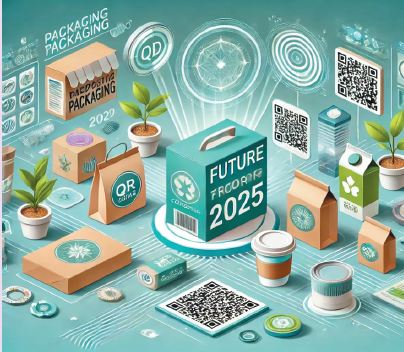
With the rise of the Internet of Things (IoT), packaging is becoming a digital interface. Smart packaging integrates technology to enhance functionality and consumer engagement.
QR codes and AR triggers: Brands are embedding QR codes that link to product stories, tutorials, or AR experiences, transforming a box or label into a marketing tool.
RFID and NFC chips: Used in pharma, food, and luxury goods for real-time tracking, anti-counterfeiting, and automated inventory management.
Temperature and freshness indicators: Especially crucial in perishable food and healthcare, sensors can now alert users if a product has been exposed to unsafe conditions.
3. E-Commerce-Optimized Packaging
As online shopping continues to dominate, packaging is being redesigned to address the specific challenges of e-commerce. Key developments include:
Frustration-free packaging: Easy-to-open, minimal designs reduce waste and improve the customer unboxing experience.
Protective yet minimal: Light-weight materials that ensure product safety without excessive fillers.
Return-friendly design: Packages that are easy to reseal or reuse for returns offer better customer satisfaction.
4. Customization and Personalization
Digital printing and data-driven design tools are enabling hyper-personalized packaging. Brands can now create:
Region or customer-specific designs
Limited-edition and influencer-themed packaging
Interactive packaging that connects with mobile apps or AR filters
This adds emotional value and encourages social sharing.
5. Clear, Transparent, and Informative Labeling
Consumers want transparency,
literally and figuratively. Labels are now expected to:
Clearly list ingredients or materials
Show environmental impact (e.g., carbon footprint, recyclability icons)
Include certifications or traceability details
Clean, honest labeling builds trust and aligns with evolving compliance standards globally.
The packaging industry in 2025 is smarter, greener, and more consumer-focused than ever before. Businesses that innovate with sustainable materials, embrace digital tech, and prioritize customer experience through packaging will not only reduce their environmental footprint but also gain a competitive edge in an increasingly conscious market.