
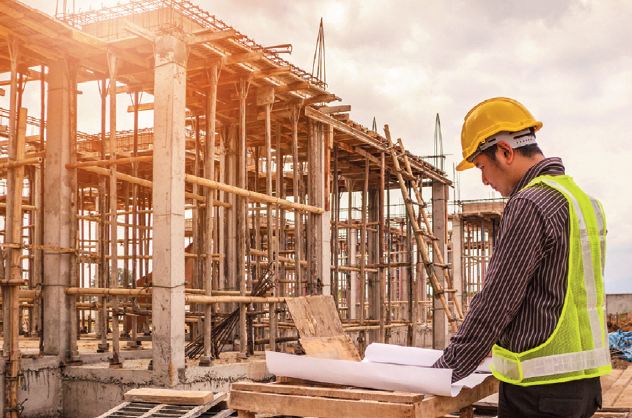
Business Remedies | Charu Bhatia | May 16,2025 | The past decade has been a transformative period for the construction industry worldwide. Rapid advancements in technology, rising environmental awareness, and shifting consumer preferences have significantly altered how buildings are designed, constructed, and experienced. The modern consumer no longer settles for just shelter; they demand sustainability, smart features, personalized spaces, and faster delivery, forcing the industry to evolve swiftly and innovatively.
Embracing Sustainability and Green Building Practices
One of the most significant shifts in the last ten years has been the industry’s move towards sustainability. Consumers today are more environmentally conscious than ever and expect their homes and commercial spaces to reflect this mindset.
= Use of eco-friendly materials like recycled steel, bamboo, and low-VOC paints has become mainstream.
= Incorporation of energy-efficient systems such as LED lighting, solar panels, and smart HVAC units has gained priority.
= Green building certifications like LEED (Leadership in Energy and Environmental Design) and IGBC (Indian Green Building Council) have surged, reflecting consumer demand for verified sustainable construction.
These trends not only address environmental concerns but also reduce operating costs and improve occupant health, appealing directly to consumer expectations.
Integration of Smart Technologies and IoT
The last decade has witnessed a tech revolution in construction and building management. The rise of smart homes and buildings has redefined consumer expectations.
= Internet of Things (IoT) devices control lighting, security, climate, and appliances, providing unprecedented convenience and energy efficiency.
= Automation systems now enable remote monitoring and control via smartphones.
= Smart sensors enhance security and improve maintenance by predicting failures before they happen.
Consumers seek these intelligent features as standard, pushing builders and developers to incorporate technology from the design stage.
Faster, Modular, and Prefabricated Construction
Today’s fast-paced lifestyle demands quicker project completion without compromising quality. The industry has responded with:
= Modular and prefabricated construction methods that allow components to be built off-site and assembled rapidly on location.
= Reduction in waste and construction time, leading to cost savings.
= Improved quality control and less dependency on weather conditions.
This approach aligns with consumer needs for faster move-in times and budget efficiency, especially in urban and developing areas.
Personalization and Flexible Spaces
Over the past decade, consumers have sought homes and offices that reflect their unique tastes and lifestyles rather than one-size-fits-all designs.
= The rise of customizable layouts and finishes allows buyers to select materials, colors, and configurations tailored to their preferences.
= Multi-functional and flexible spaces have become popular, accommodating remote work, home gyms, and entertainment zones.
= Builders now focus on creating adaptable environments that evolve with changing consumer lifestyles.
Focus on Wellness and Quality of Life
Health and well-being have become central to consumer priorities in building design:
= Incorporation of natural light, better ventilation, and indoor air quality controls improve occupant comfort.
= Use of biophilic design elements like indoor plants and natural materials fosters mental wellness.
= Noise reduction technologies and ergonomic layouts address stress and productivity.
The pandemic further accelerated this trend, with consumers demanding homes that support physical and emotional health.
Sustainable Urban Living and Smart City Concepts.
The construction industry is also adapting to broader urban trends:
= Growing consumer preference for mixed-use developments that integrate residential, commercial, and recreational spaces.
= Development of smart cities with digitally connected infrastructure, efficient transport, and green spaces.
= Focus on walkability, community amenities, and access to public services.
This holistic approach reflects consumer desire for convenience, connectivity, and sustainable living environments.
 Written & Edited By:
Charu Bhatia