
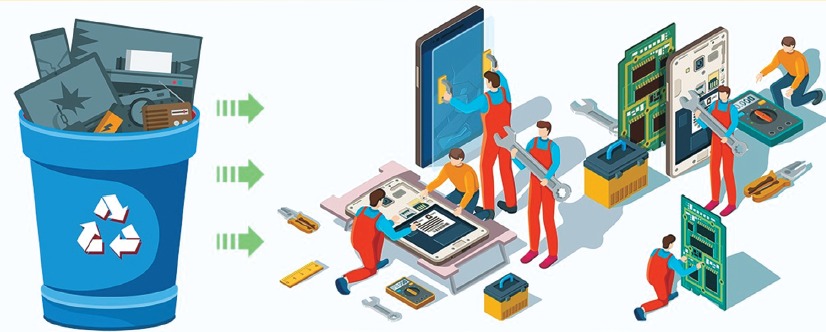
Business Remedies | Charu Bhatia | In recent years, India’s bio-economy sector has witnessed a quiet revolution, powered not just by sustainability concerns, but by a new breed of startups turning agricultural and industrial waste into high-value products. From biofuels and bioplastics to organic fertilizers and clean proteins, these ventures are not only addressing environmental challenges but also creating scalable, profitable business models. The transition from waste to wealth is no longer a slogan, it’s a fast-emerging economic reality.
A Sector on the Rise
According to the Department of Biotechnology, India’s bio-economy was valued at $137 billion in 2023 and is projected to reach $300 billion by 2030. The government’s push for a circular economy, coupled with rising environmental awareness and investor interest in green technologies, is fueling this transformation. Startups are playing a crucial role in bridging innovation with impact, finding commercial applications for everything from crop residue and municipal waste to marine algae.
Startup Spotlight: Innovations Leading the Way
1. String Bio (Bengaluru):
Using methane, a greenhouse gas, as a raw material, String Bio creates single-cell proteins that serve as alternative animal feed. Their microbial fermentation platform is a breakthrough in carbon capture and upcycling.
2. GPS Renewables (Bengaluru):
A leader in bioenergy solutions, GPS Renewables converts food and organic waste into bio-CNG and electricity. Their installations at airports, hotels, and universities are redefining clean energy infrastructure.
3. Craste (Pune):
By transforming agri-residue into sustainable packaging and furniture-grade boards, Craste is solving the dual challenge of stubble burning and deforestation.
4. Sea6 Energy (Bengaluru):
This startup focuses on large-scale cultivation of seaweed to create biostimulants, biofuels, and bioplastics, tapping into India’s vast marine potential while offering a climate-resilient biomass source.
5. Carbon Craft Design (Mumbai):
Working at the intersection of design and climate action, Carbon Craft upcycles carbon emissions from industries into beautifully designed, low-carbon tiles for architectural use.
Challenges Ahead
Despite the momentum, several challenges remain. Scaling technologies beyond pilot projects, navigating regulatory approvals, and establishing consistent supply chains for bio-feedstocks continue to be hurdles. Public awareness and buyer adoption of bio-based alternatives also need sustained outreach and education. Additionally, startups face high upfront R&D costs, and the long gestation periods before breakeven make it essential for them to attract patient capital.
The Global Edge
India’s bio-economy startups are now being recognized globally for their innovation. With climate-tech gaining attention across international forums, Indian startups are being seen as critical contributors to solving global challenges, particularly in the Global South where scalable and frugal innovations are most needed. India’s bio-economy is no longer just a green initiative; it’s a rapidly growing business frontier. As bio-entrepreneurs turn challenges into opportunities, the country is poised to lead a new industrial paradigm, one where sustainability drives profitability.