

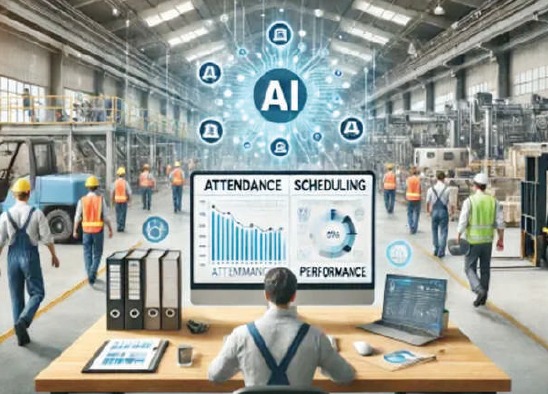
Business Remedies | Charu Bhatia | Artificial Intelligence (AI) is rapidly transforming human resource (HR) management, shifting it from a traditionally administrative function to a data-driven, strategic role. Across industries, companies are adopting AI-powered tools to streamline processes, enhance employee engagement, and optimize workforce productivity.
Recruitment and Talent Acquisition
One of the most visible impacts of AI in HR is in hiring. Intelligent applicant tracking systems now screen thousands of resumes in minutes, using algorithms to match candidates’ skills, experience, and qualifications to job descriptions. AI-powered chatbots conduct preliminary candidate interactions, answer FAQs, and even schedule interviews, reducing the time-to-hire while improving candidate experience.
Employee Onboarding and Engagement
Digital onboarding platforms use AI to personalize training modules and guide new hires through company policies, tools, and culture. Virtual assistants can address queries, track task completion, and ensure smoother integration. Beyond onboarding, AI-driven sentiment analysis tools monitor employee feedback, enabling HR teams to detect potential disengagement early and intervene proactively.
Performance Management and Learning
AI-powered analytics platforms track employee performance using real-time data. They identify skill gaps, recommend targeted training programs, and provide predictive insights on career development. Personalized learning management systems (LMS) curate courses based on an employee’s role, performance history, and growth objectives, ensuring continuous skill enhancement.
Workforce Planning and Predictive Analytics
AI enables HR leaders to forecast workforce needs by analyzing historical data, business cycles, and market trends. Predictive models help determine staffing requirements, succession planning, and potential attrition risks, allowing organizations to make informed decisions and maintain operational stability.
Administrative Automation
Routine HR tasks, payroll processing, leave management, and benefits administration, are increasingly automated. AI chatbots handle common employee requests, reducing manual workload and freeing HR teams to focus on strategic initiatives rather than repetitive queries.
Challenges and Considerations
While AI tools bring efficiency, their adoption raises challenges around data privacy, algorithmic bias, and employee trust. Companies must ensure compliance with labor regulations, maintain transparency about AI use, and combine automation with a human-centric approach to avoid depersonalizing workforce management.
The Road Ahead
AI in HR is evolving from a support function to a core driver of workforce strategy. As organizations embrace hybrid work models, global teams, and rapidly changing skill demands, AI-based tools will play a central role in creating agile, efficient, and employee-focused workplaces.
 Written & Edited By:
Charu Bhatia