

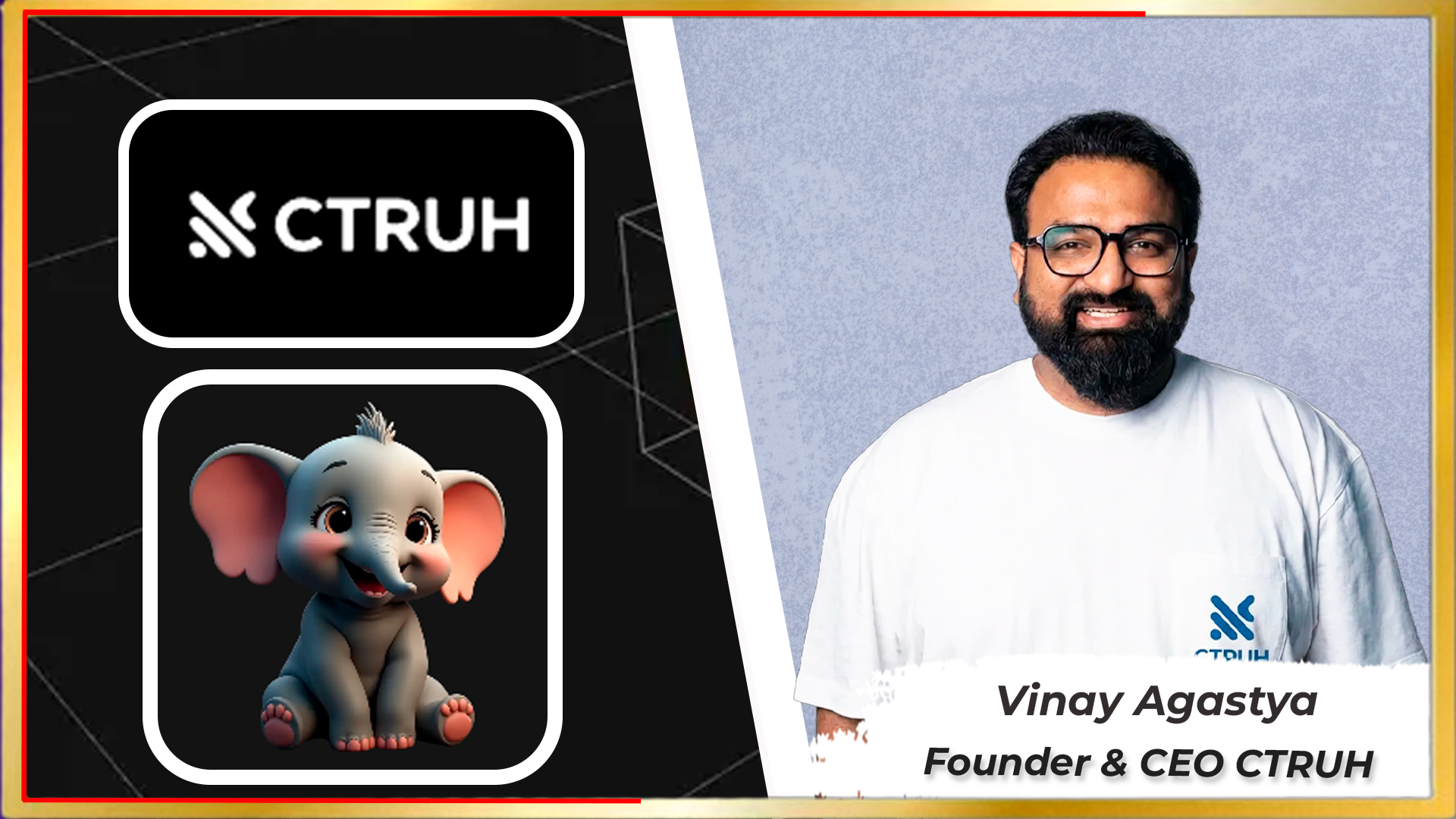
Rajshree Upadhyaya | Business Remedies | When audiences watching Shark Tank India discovered CTRUH, the startup stood apart not for selling a conventional product but for reimagining how products themselves are experienced online. Founded by Vinay Agastya, the company officially came into existence in 2022, built on years of the founder’s prior experience in 3D design and immersive technologies. What began as a technical curiosity gradually evolved into a focused mission to transform digital commerce into something far more interactive and intuitive.
The problem CTRUH chose to solve is one that affects nearly every online shopper. Traditional e-commerce relies heavily on static images and videos, leaving customers uncertain about what they are actually buying. This often results in poor purchase decisions and high return rates. CTRUH addresses this gap through its suite of 3D product visualizations, augmented reality try-on experiences, virtual storefronts, and interactive product configurators, allowing users to explore products in a lifelike and engaging way before making a purchase.
At its core, CTRUH operates as an AI powered XR commerce engine designed to work seamlessly across devices. One of its key innovations lies in enabling brands to convert basic catalog data into detailed 3D assets without requiring complex design expertise. This no-code or low-code approach significantly reduces the barrier for adoption, making it easier for businesses to integrate immersive experiences into their existing digital infrastructure. The platform is browser-based, ensuring accessibility without the need for heavy applications or downloads.
In its initial phase, the company focused on building strong technological foundations rather than chasing rapid scale. By 2024 and into 2025, CTRUH began gaining traction with brands exploring immersive commerce solutions. The startup generated early revenues through enterprise collaborations and continued refining its product capabilities. It also worked toward building intellectual property, filing patents related to its rendering technology to strengthen its competitive edge in a fast-evolving global market.
When Vinay Agastya entered Shark Tank India, he positioned CTRUH not just as a product but as a glimpse into the future of e-commerce. Seeking ₹1 crore at a strong valuation, he highlighted how immersive experiences could significantly improve customer engagement and reduce friction in online buying. While the Sharks appreciated the technological depth, there were concerns about how quickly the Indian market would adopt such advanced solutions.
The turning point came through live demonstrations that showcased real-world applications, including interactive product exploration and virtual try-on capabilities. These examples helped bridge the gap between concept and usability. Impressed by the long-term potential, Anupam Mittal and Vineeta Singh decided to back the startup, offering ₹1 crore for a higher equity stake along with strategic guidance. The deal marked a significant milestone, providing both capital and credibility to accelerate growth.
As of now, CTRUH is operational and continues to expand its presence in the immersive commerce space. The company is actively working with brands across sectors such as fashion, beauty, and retail, helping them move beyond static listings to dynamic and engaging product experiences. Its vision aligns closely with global trends where augmented and virtual interactions are becoming integral to customer journeys.
CTRUH’s story is a reflection of a new wave of Indian startups that are building deep tech solutions with global relevance. From an idea rooted in 3D experimentation to a venture backed by national television, Vinay Agastya’s journey highlights the possibilities of innovation when technology meets a clear understanding of evolving consumer behavior.
 Written & Edited By:
Rajshree Upadhyaya