


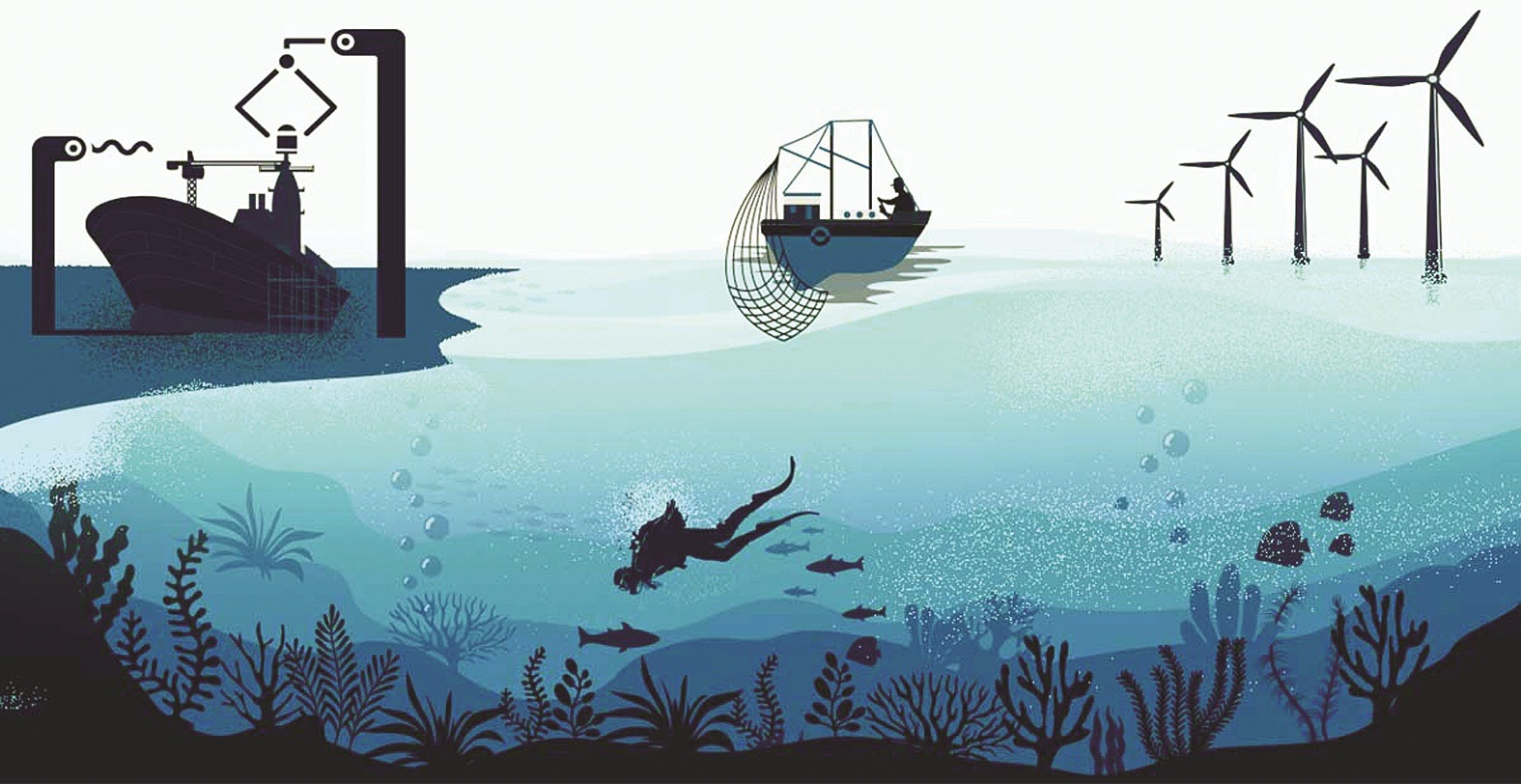
Charu Bhatia | Business Remedies | Coastal economies have long held a strategic advantage over inland regions, not just because of their access to the sea, but because of the diversity of industries that naturally cluster around coastlines. From tourism and shipping to fisheries and allied services, coastal regions support a broader and more resilient economic base, one that is increasingly shaping growth patterns in countries like India.
Tourism is often the most visible driver of coastal economies. Beaches, marine biodiversity, cultural ports, and waterfront cities attract both domestic and international travellers, creating demand across hospitality, transport, retail, and entertainment. Unlike seasonal inland tourism, coastal tourism supports year-round activity through leisure travel, cruise tourism, water sports, wellness retreats, and heritage circuits. This layered tourism ecosystem generates employment across skill levels, from informal workers to high-end service professionals, deepening economic participation.
Shipping and port-led industries add another powerful layer of diversification. Coastal regions act as gateways for global trade, hosting ports, logistics parks, shipbuilding yards, and warehousing hubs. These activities create strong forward and backward linkages with manufacturing, infrastructure, finance, and insurance. Access to ports reduces transportation costs and improves turnaround time, making coastal locations attractive for export-oriented industries. As global supply chains become more fragmented and regionalised, coastal economies are benefiting from increased trade flows and investment in port modernisation and multimodal connectivity.
Fisheries and aquaculture form the third pillar of coastal economic diversity. Beyond traditional fishing, the sector now includes cold storage, seafood processing, export packaging, feed production, and marine biotechnology. Coastal fisheries support both livelihoods and exports, especially in emerging markets where seafood demand is rising. The growth of sustainable aquaculture and value-added seafood products has further expanded income streams, reducing dependence on raw catch alone.
What makes coastal economies distinct is the way these sectors intersect. Tourism supports seafood consumption and maritime services, ports enable seafood exports and cruise tourism, while fisheries create demand for logistics, cold chains, and processing infrastructure. This interdependence creates multiple revenue channels and cushions coastal regions from sector-specific shocks.
However, this diversity also brings challenges. Coastal economies are more exposed to climate risks, regulatory complexity, and global demand fluctuations. Rising sea levels, extreme weather events, and sustainability pressures are forcing businesses to invest in resilience and adaptive strategies.
Despite these risks, the sectoral breadth of coastal economies offers a clear advantage. By balancing tourism, trade, and marine-based industries, coastal regions are better positioned to absorb shocks, attract investment, and sustain long-term growth, making them some of the most dynamic economic zones in the world.