
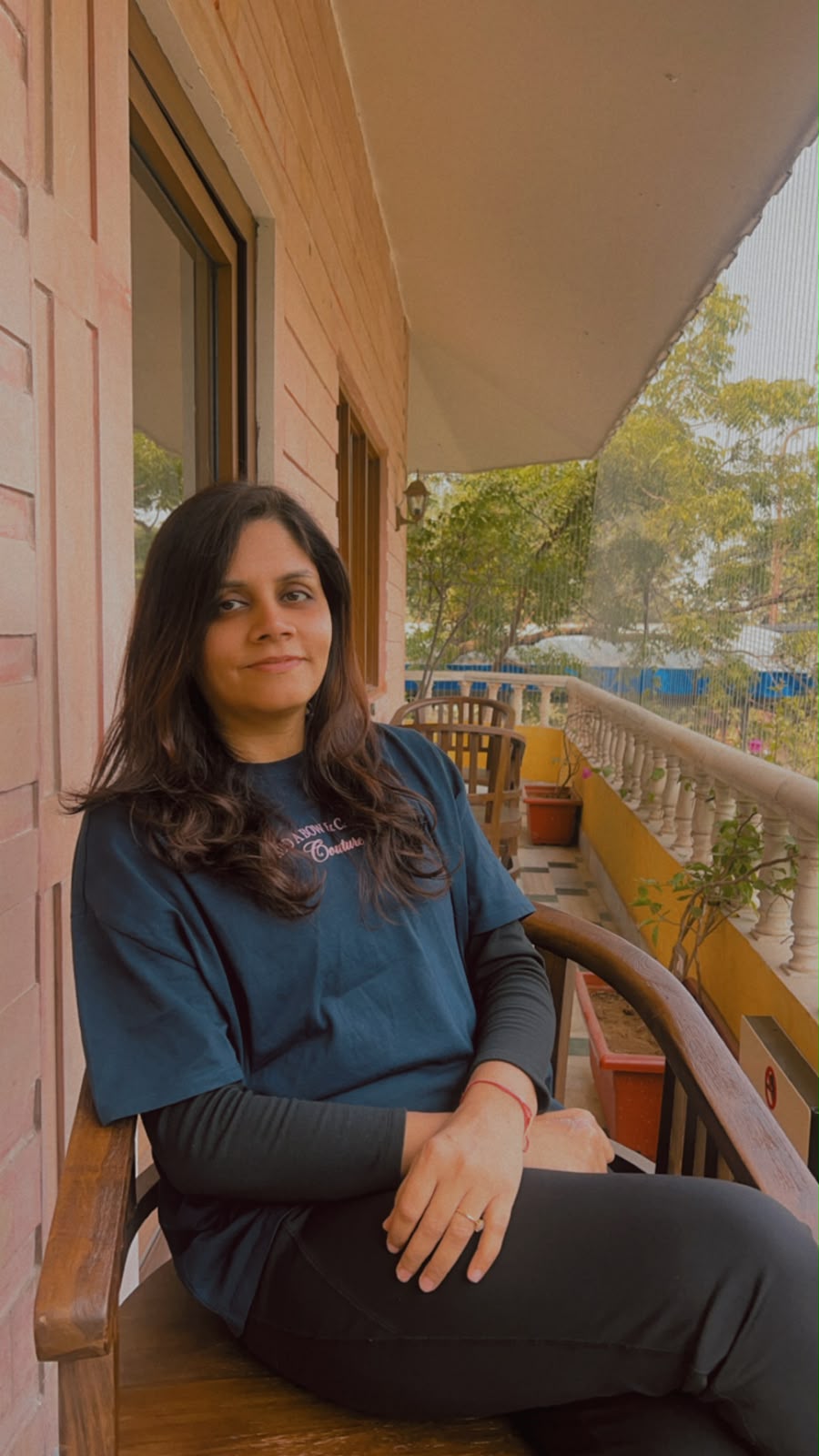
Charu Bhatia, Senior News Editor, Business Remedies, in conversation with Dr. Swati, Founding Physiotherapist at Happy U Advanced Physiotherapy and Wellness Clinic
From leading physiotherapy departments at reputed hospitals to establishing her own clinic, Happy U Advanced Physiotherapy and Wellness Clinic in Jaipur, Dr. Swati has built her career around one belief, that physiotherapy is far more than pain management. With nearly two decades of experience, including 15 years at Fortis Hospital in Mumbai, she advocates a holistic, movement-based approach that addresses the root cause of pain rather than just its symptoms. In this conversation, she shares her professional journey, the evolution of physiotherapy in India, the role of technology, common misconceptions, and why collaboration across medical specialties is essential for better patient care.
Question: You founded Happy U, a physiotherapy clinic. What has been your journey like, and what inspired you to pursue physiotherapy?
Answer: Interestingly, biology was never my favourite subject, I actually enjoyed mathematics much more. My decision to pursue physiotherapy was influenced by seeing a cousin study the field. Back in 2003, there was very little awareness about physiotherapy in India.
The turning point came during my internship at Fortis Hospital, Jaipur, in 2007. I had an excellent mentor who inspired me to look beyond machines and focus on genuinely improving patients’ quality of life. That experience shaped my philosophy of always delivering more than what patients expect and helping them become pain-free through dedicated care.
After that, I moved to Mumbai, where I spent 15 years at Fortis Hospital and also served as the Head of the Physiotherapy Department for nearly six years. Later, I returned to Jaipur and established Happy U Advanced Physiotherapy and Wellness Clinic.
One major difference I noticed between Mumbai and Jaipur is public awareness. In Mumbai, physiotherapists are consulted directly, and people readily invest in treatment. In Jaipur, many patients still visit a physician first and consider physiotherapy only if it is recommended. I strongly believe physiotherapy is not just about machines, it is a form of movement therapy that involves understanding body mechanics, identifying movement patterns, and treating the actual cause of pain.
Question: How has physiotherapy evolved over the years?
Answer: The field has transformed significantly. When I was studying in 2008, physiotherapy received limited recognition and was often viewed merely as a paramedical service. Today, it is steadily becoming part of mainstream healthcare. Physiotherapists now play an important role even in intensive care units.
However, there are still challenges. Some institutions continue to offer distance-learning programmes, whereas physiotherapy requires extensive practical exposure and conceptual understanding. Hands-on training and proper mentorship are essential.
The profession has also become highly specialised, with branches such as orthopaedic, neurological, sports and paediatric physiotherapy. Practitioners should develop expertise in a particular area before treating patients, as specialised knowledge leads to better outcomes.
Question: What role do technology and new techniques play in physiotherapy today?
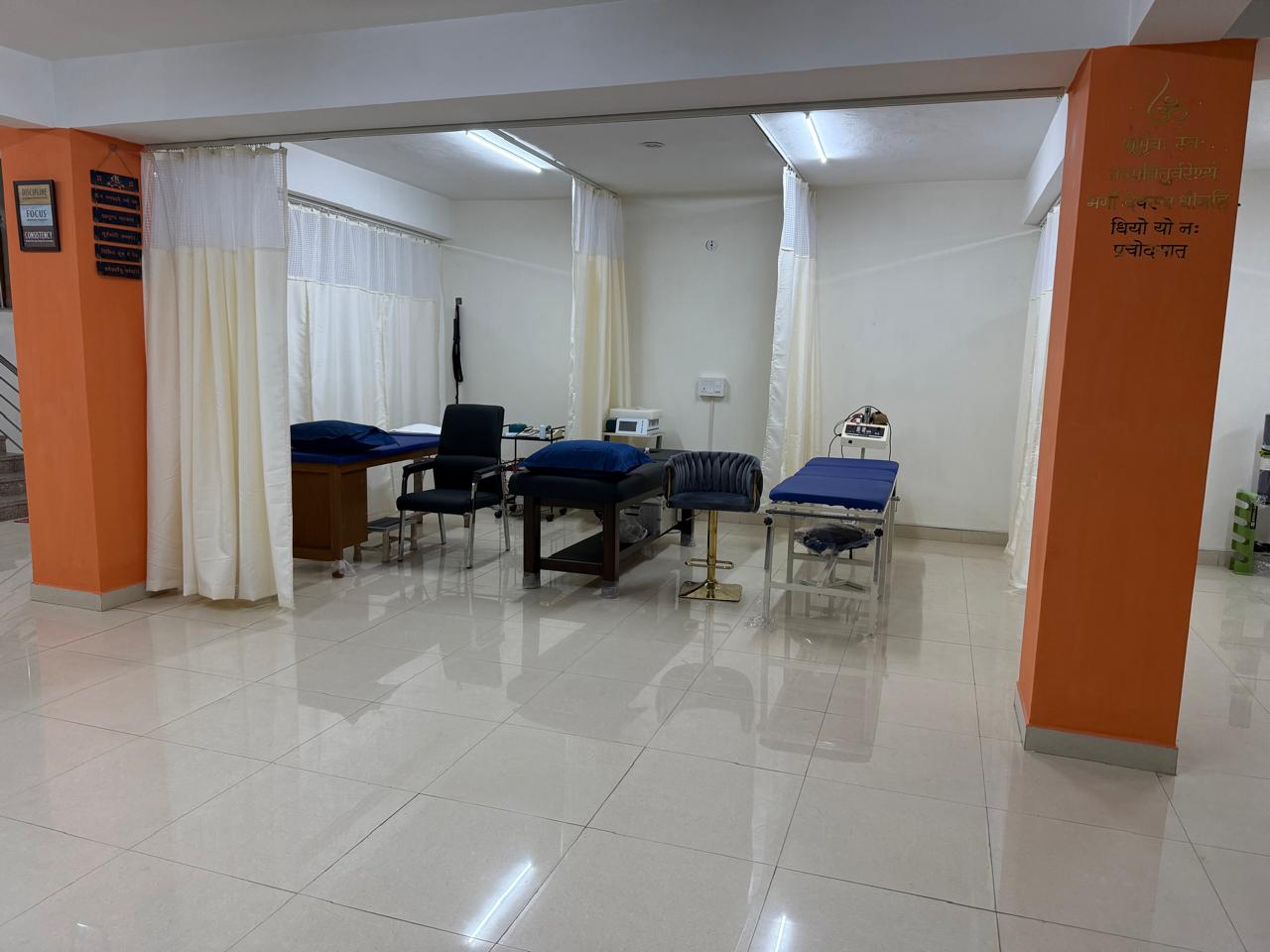
Answer: Modern physiotherapy combines manual therapy with advanced technology. High-end equipment such as Class IV laser machines and shockwave therapy devices has improved treatment outcomes considerably.
Robotics is another promising development, especially for neurological rehabilitation. While technology certainly enhances treatment, it should support, not replace, the clinical expertise and manual skills of a physiotherapist.
Question: How do you view the relationship between orthopaedics, neurology and physiotherapy?
Answer: In the past, many orthopaedic surgeons and neurologists were hesitant to recommend physiotherapy after surgeries or injuries. Fortunately, today’s doctors are much more receptive and recognise its importance.
There needs to be greater collaboration between these specialties. Physiotherapists are not competitors; they complement medical treatment. Patients continue consulting their orthopaedic or neurological specialists for medical follow-up, while physiotherapists focus on restoring movement and function. Working together ultimately benefits patients the most.
Question: What services does Happy U offer?
Answer: At Happy U clinic, our focus is on identifying the underlying cause of pain rather than simply treating symptoms. We assess movement patterns, muscle function, fascia, joint mobility and overall body mechanics.
I specialise in orthopaedic physiotherapy, treating spine disorders, joint pain, muscular conditions and fascial dysfunctions. Every patient receives an individual assessment followed by a personalised treatment session lasting at least 45 minutes, with further required treatment as per conditions.
We also recognise the connection between physical pain and emotional wellbeing. In many cases, emotional stress and unresolved trauma influence physical health, so we address these aspects as part of a holistic treatment approach.
Question: What are the most common conditions patients visit you for?
Answer: Patients commonly seek treatment for lower back pain, cervical issues, knee arthritis, autoimmune disorders and other musculoskeletal problems.
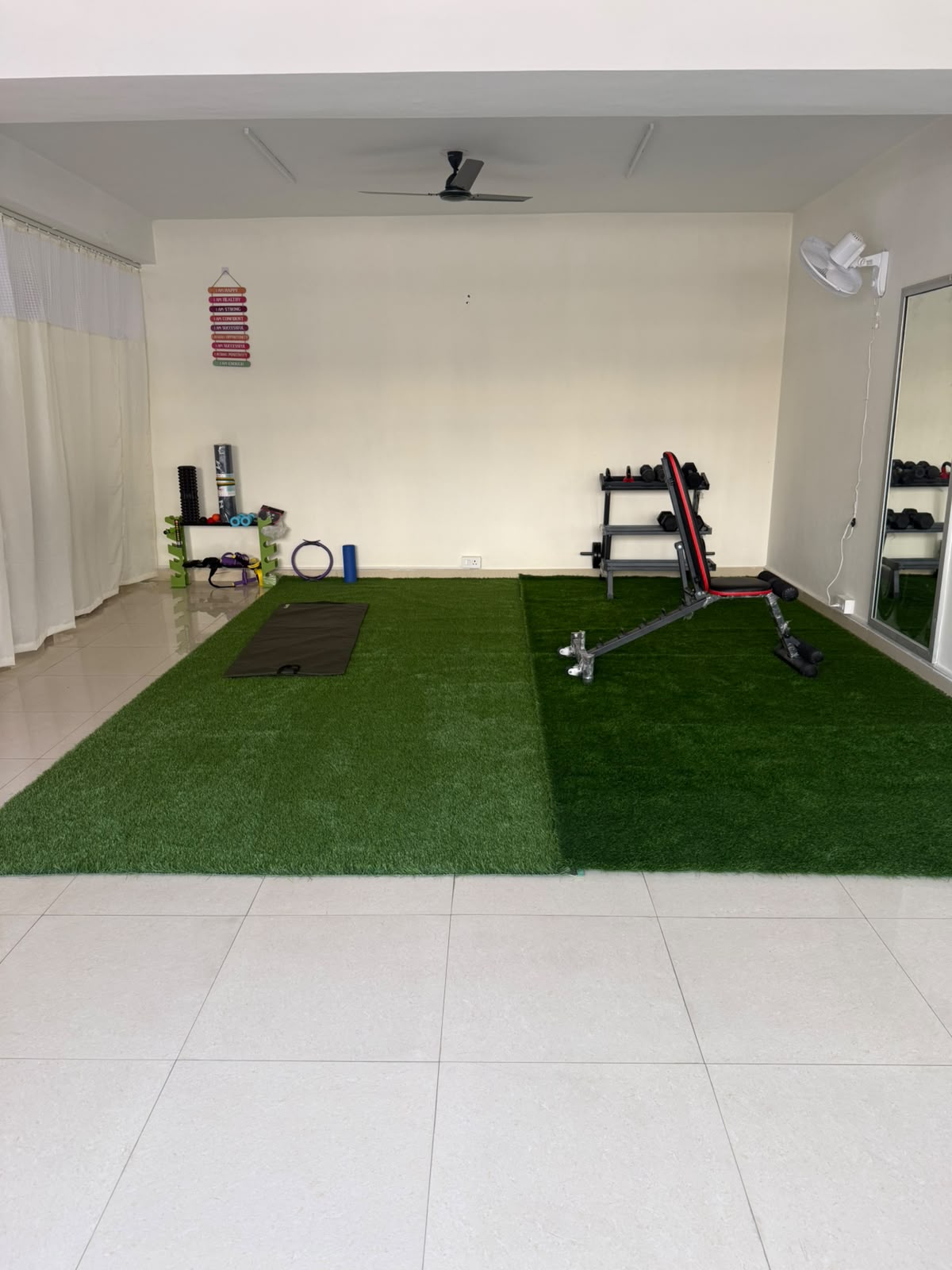
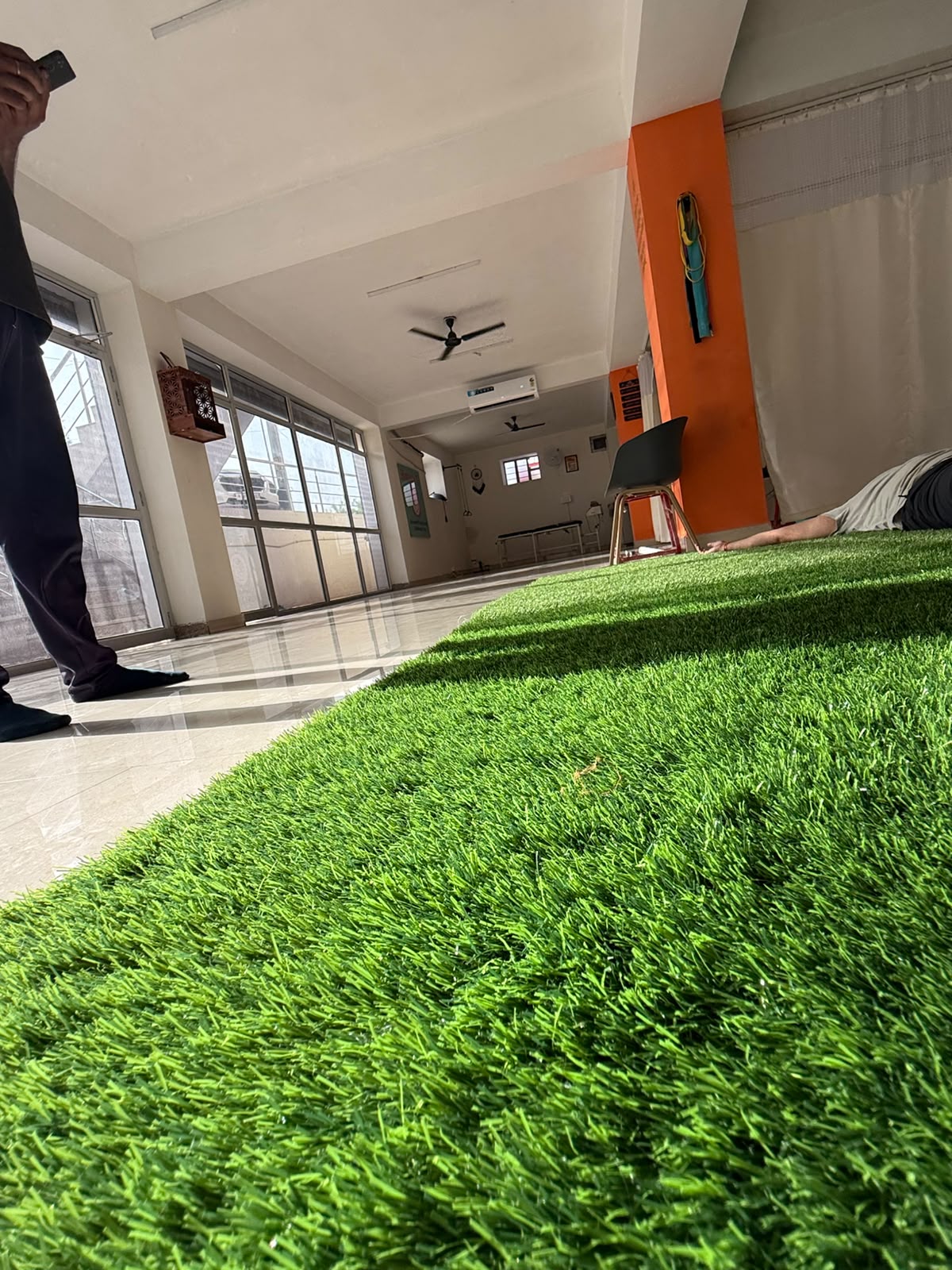
Our approach is holistic. Along with physical rehabilitation, we encourage emotional healing wherever required. We also organise yoga and meditation sessions to promote overall wellbeing.
 Question: How do you assess the government’s support for physiotherapy?
Answer: Although awareness has improved, several issues remain unresolved. The regulation of physiotherapy practice still needs strengthening. There is also continuing debate regarding the use of the “Dr.” prefix by physiotherapists.
Another concern is the absence of adequate regulatory standards for physiotherapy education and private practice. Many individuals establish clinics without sufficient practical training, making stronger quality control essential for the profession.
Question: What preventive measures do you recommend for maintaining good musculoskeletal health?
Answer: Maintaining correct posture throughout the day is extremely important. People should avoid prolonged sitting and lead an active lifestyle.
Regular strengthening exercises, flexibility training and proper guidance while exercising, especially in gyms, can prevent many common musculoskeletal problems and improve long-term health.
Question: What are some common myths about physiotherapy?
Answer: One of the biggest misconceptions is that physiotherapy is simply a form of massage. In reality, it is a science based on assessment, diagnosis, clinical reasoning and specialised techniques.
Another myth is that recovery should happen immediately. Physiotherapy focuses on treating the root cause rather than masking symptoms, so meaningful recovery takes time.
Many patients also assume that pain always originates from the affected body part. However, because the body functions as an interconnected system, pain in one area may actually result from dysfunction elsewhere. A detailed case history and comprehensive assessment are therefore essential before beginning treatment.

Question: How do you see the future of physiotherapy?
Answer: The future is extremely promising. Over the next decade, physiotherapy will continue gaining recognition as people become more aware of its benefits. Educational institutions are also strengthening physiotherapy programmes, which will further improve the quality of professionals entering the field.
Question: How do you customise treatment plans for individual patients?
Answer: Every treatment begins with a detailed case history and assessment to identify the root cause of the problem. Once weak muscles, faulty movement patterns and alignment issues are identified, I design an individualised rehabilitation programme.
Treatment varies from patient to patient because every condition is different. We also use advanced techniques such as Instrument-Assisted Soft Tissue Mobilisation (IASTM), which involves specialised handheld tools to improve soft tissue healing and mobility.
Question: What message would you like to give young people interested in physiotherapy?
Answer: Physiotherapy is a deeply rewarding profession because it allows you to improve people’s lives. However, it should be chosen out of genuine interest and a desire to heal, not simply as a career option.
A good physiotherapist must always look at the body as a whole, continue learning throughout their career, and prioritise patient wellbeing above everything else. Even if financial rewards come gradually, the satisfaction of helping someone recover is invaluable.