

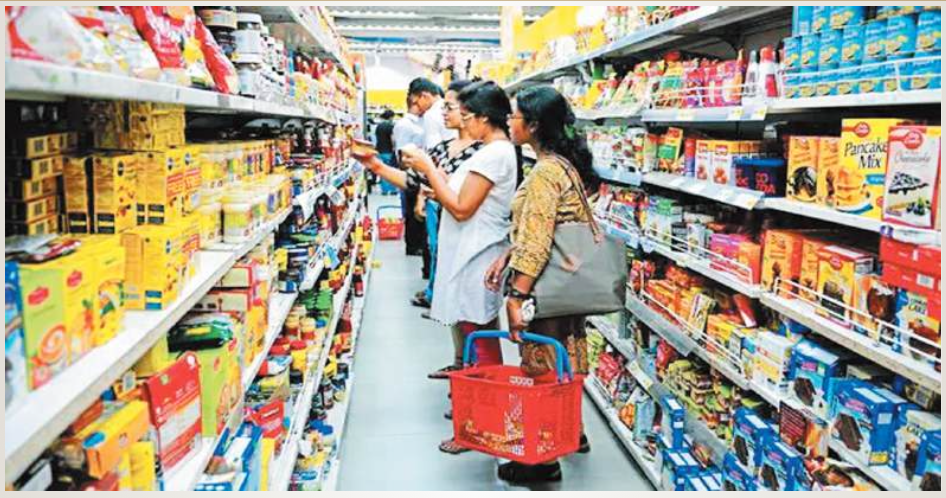
Business Remedies | Charu Bhatia | The grocery retail sector is undergoing a profound transformation, driven not just by evolving consumer preferences but also by strategic mergers and acquisitions (M&A). Across Asia, Europe, and North America, supermarkets and grocery chains are consolidating to strengthen their market presence, achieve economies of scale, and stay competitive in an increasingly digital and convenience-driven landscape.
Why Consolidation is Accelerating Several factors are driving consolidation in grocery retail:
1. Changing Consumer Behaviour:
Shoppers today demand convenience, variety, and faster delivery. Retailers are merging or acquiring smaller chains to expand their footprint, integrate e-commerce capabilities, and provide a seamless omnichannel experience.
2. Competitive Pressures:
The entry of global giants, discount chains, and online marketplaces has intensified competition. Smaller or regional chains often struggle to compete on pricing, logistics, and technology. M&A allows them to pool resources, optimize supply chains, and compete more effectively.
3. Economies of Scale: Larger entities benefit from bulk procurement, centralized operations, and shared technology investments. This not only reduces operational costs but also increases bargaining power with suppliers, ensuring better margins and pricing for consumers.
4. Technology Integration: Digital transformation, including AI-driven inventory management, self-checkout systems, and delivery apps, requires significant investment. Consolidation enables companies to share technological infrastructure and accelerate innovation.
5. Market Expansion: Acquisitions allow retailers to quickly enter new regions or segments without the slow process of organic growth. Whether expanding into tier-2 cities or launching premium and discount formats, M&A provides faster access to established customer bases.
Notable Examples
Recent years have seen significant consolidation globally:
8 In the U.S., Kroger’s acquisitions of regional chains have strengthened its dominance in multiple states while expanding its e-commerce capabilities.
8 In India, Reliance Retail’s acquisitions of smaller grocery players have helped it scale rapidly and penetrate urban and semi-urban markets.
8 European chains are increasingly merging to compete with discounters like Aldi and Lidl, enhancing their logistics and private-label portfolios.
The Road Ahead
Analysts predict that M&A activity in grocery retail will continue as companies seek resilience against market volatility, inflationary pressures, and shifting consumer expectations. Strategic consolidation will likely focus on technology adoption, sustainable sourcing, and omnichannel growth, enabling retailers to thrive in a highly competitive environment.
 Written & Edited By:
Charu Bhatia