

Charu Bhatia | Business Remedies | Mental wellness is no longer a niche health concern, it has become a fast-growing consumer market shaped by changing lifestyles, workplace stress, and rising awareness around emotional health. From meditation apps and AI-driven therapy platforms to herbal supplements and stress-relief beverages, mental wellness products are seeing sustained demand across age groups and income segments, turning well-being into a serious business opportunity.
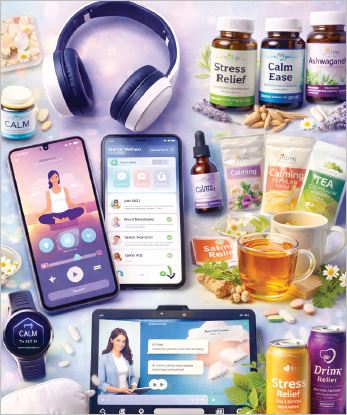
Digital platforms are leading the growth curve. Meditation, sleep-tracking, mood-monitoring and therapy apps have witnessed sharp adoption, particularly among urban millennials and Gen Z users. Subscription-based models, corporate tie-ups, and personalised content powered by artificial intelligence have helped these platforms scale rapidly. For businesses, the appeal lies in predictable recurring revenue and low marginal costs. Employers, too, are increasingly funding access to such apps as part of employee wellness programmes, further expanding the addressable market.
Alongside digital solutions, demand for physical mental wellness products is rising. Herbal remedies, adaptogenic supplements, aromatherapy oils, and calming teas are finding space on pharmacy shelves and e-commerce platforms alike. Consumers are gravitating towards “natural” solutions for anxiety, sleep issues, and stress management, driven by concerns over side effects of conventional medication. Ayurveda-based and plant-derived formulations, in particular, are benefiting from India’s strong traditional medicine ecosystem and growing export interest.
The wellness food and beverage segment is also seeing crossover innovation. Functional drinks infused with herbs, minerals, or nootropics are being positioned as everyday stress-relief solutions. This shift reflects a broader trend where mental wellness is merging with lifestyle consumption, blurring the line between healthcare and FMCG.
However, the rapid expansion of this market brings regulatory and credibility challenges. Unlike pharmaceuticals, many mental wellness products operate in lightly regulated spaces. Questions around scientific validation, exaggerated claims, and data privacy, especially for mental health apps, are drawing attention from policymakers and consumer groups. Companies that invest in clinical backing, transparent data practices, and responsible marketing are likely to gain long-term trust.
From an investment perspective, the sector remains attractive. Venture capital continues to flow into mental health startups, while established FMCG and healthcare players are acquiring or launching wellness sub-brands to tap into rising demand. Analysts note that as conversations around mental health become more mainstream, spending on prevention and self-care is expected to grow faster than traditional treatment.
As stress becomes a defining feature of modern life, mental wellness products, digital or herbal, are no longer optional indulgences. They are emerging as essential consumer goods, reshaping health spending patterns and creating a robust new growth vertical for businesses across sectors.