


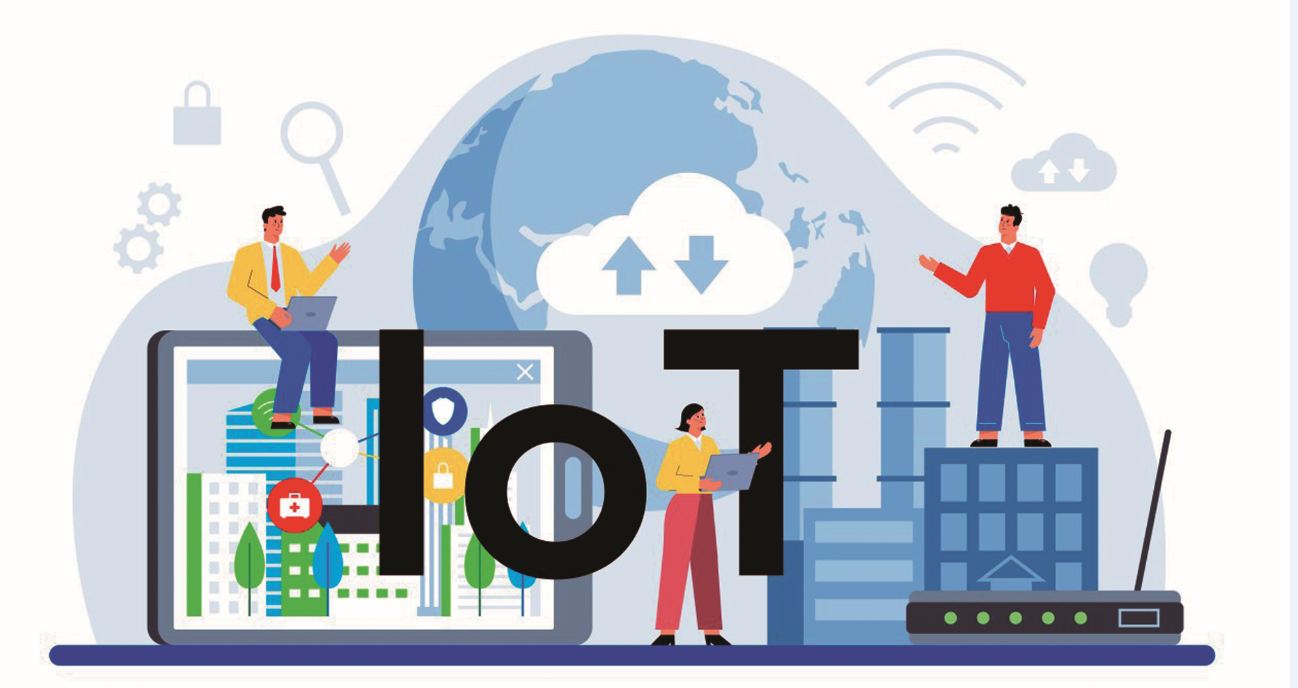
Charu Bhatia | Jaipur | Business Remedies | April 06,2025 | What is Internet of Things? (IoT) Over the years, many people and Internet of Things evangelists have given various definitions for the Internet of Things in terms of the ways how IoT devices connect and interact with each other. The shortest description represents IoT as a network of interconnected devices that collect and exchange data with the system and each other via the internet.
How IoT Has Affected Businesses
Smarter Products / Devices
IoT brings new smart products to the market and helps to make better versions of the existing products. Firstly, by gathering precise information about the real-world usage of devices, companies get an opportunity to adjust their products to the customer’s needs, remove unnecessary features, and improve ones in use. Secondly, manufacturers have the opportunity to offer smart devices that people have never seen before since IoT can add new value to ordinary products. Strange examples of new smart devices that didn’t gain huge popularity are smart forks or smart water bottles. However, the ubiquity of smart scales and smart robot vacuum cleaners is not in dispute.
Simplify the Automatization Process
Using tablets or even smartphones, people can remotely control devices in the IoT system, alter their configuration, or change the state (like adjusting the temperature at home or inside the storage container). Devices, in turn, notify users and send them messages, alerts, and warnings in different cases. So, the IoT system provides two-way communication between smart things and users.
Boost Efficiency and Profits
As a result of machine downtime reduction, automatization, and less energy consumption, real-time data businesses experience growth in their efficiency and productivity. In addition, IoT can provide accurate data about the production process at different stages of manufacturing, hence allowing to identify bottlenecks in the process and increasing the throughput capacity of the production. Together, all these benefits increase profits significantly.
The Unmet Demand for Skilled Workers is Growing
The Internet of Things and accompanying technologies develop too rapidly. University programs, training, and retraining programs fail to adapt. This leads to the shortage of highly skilled specialists that can build and maintain IoT systems. When it comes to the Internet of Things, the business community is still overcoming a significant skills gap, and this IoT trend is expected to continue.
Accelerate the Development of Cloud Technologies
One of the stages in IoT architecture is a cloud-based system that is also called “the cloud”. The cloud is the final destination of the information from IoT sensors, and it is the place where this information is analyzed by machine learning methods and by people. The Internet of Things collects enormous amounts of information that cannot be processed or even stored using traditional methods. That is why IoT solutions strongly rely on cloud technologies that offer enough computing power to store, manage, and analyze data from the Internet of Things.

Written & Edited By:
Charu Bhatia