


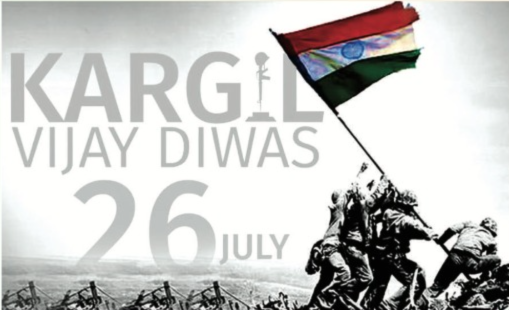
Business Remedies | Shruti Kothari | Kargil Vijay Diwas is a solemn reminder of the indomitable spirit and sacrifices made by our soldiers in the line of duty. It is a day that honours the unwavering courage, commitment, and patriotism of those who defended our nation in one of the most valiant chapters of Indian military history.
On this significant occasion, Business Remedies had the privilege of speaking with two distinguished Indian Army officers — Lt Col Manoj Kumar Sinha, a decorated Gallantry Award recipient who faced enemy bullets with unmatched bravery, and Major B.S. Rathore, a veteran officer honoured with the Shaurya Chakra for his fearless service.
We are humbled to share their voices and reflections with our readers today. Their words serve as a powerful reminder of the values that define true leadership and national pride.
Let us now hear from these stalwarts who continue to inspire generations.
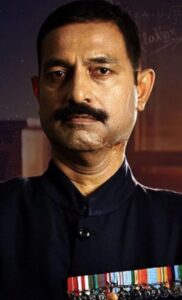 Lt Col Manoj Kumar Sinha
Gallantry Awardee | Indian Army Veteran
Q. As someone who has seen the realities of war up close, how do you personally observe Kargil Vijay Diwas each year?
A. Personally, Kargil Vijay Diwas holds a deeply emotional and personal meaning for me. I lost my best friend, Major Padmapani Acharya, in the Kargil War. I had gone to the Military Hospital Mortuary to see his mortal remains and pay my final respects. There, I witnessed not only his but also the mortal remains of many other brave Kargil martyrs—an experience that left a lasting impact on my life.
For me, every Kargil Vijay Diwas feels like the anniversary of my final meeting with him and a reminder of the profound experience I went through that day.
Q. As someone who has shown extraordinary courage in service, what do you think is the greatest lesson the Kargil War taught us as a nation?
A. The greatest lesson is not just from Kargil alone, but from a long history that includes the Partition, the wars of 1947–48, 1965, 1971, the Kargil conflict, countless terror attacks orchestrated by Pakistan, and most recently, Operation Sindoor. The message is clear and unwavering: as long as Pakistan exists in its current form, it will continue to provoke violence, instability, and war.
Another crucial takeaway is that the nature of warfare has changed. Gone are the days when battles were confined to the borders. Today, conflicts unfold in unpredictable ways, across unexpected spaces—physical, psychological, digital, and social. The battlefield is now the entire nation, and every citizen must be prepared to play the role of a soldier in their own way.
Q. What goes through a soldier’s mind when facing adversity at the front lines?
A. What goes through a soldier’s mind in adversity can vary greatly—from person to person and also based on where they are in their military journey. A seasoned soldier who has been through battle before will process it differently from someone facing combat for the first time.
But generally speaking, for most soldiers, it’s just another day at work—one they’ve trained and prepared for over the years. It’s the moment they’ve envisioned countless times—the harsh reality where both sides are in the business of death. The enemy seeks your life, and you are there to take theirs.
A soldier’s mindset also shifts with each phase of battle. The first day feels very different from the days that follow, as the adrenaline settles and the grim reality sets in.
The motivation and emotions also depend on the context of the conflict. Take Kargil, for instance—it wasn’t just about reclaiming ground. There was also a deep sense of betrayal and anger, because the Pakistani intrusion felt like a stab in the back. That emotional weight adds another layer to what a soldier feels when heading into battle.
Q. Your message for fellow servicemen and families of those who served in Kargil?
A. To those who fought in the Kargil War and to their families—who carry the deep, firsthand emotional weight of that experience—you hold a special responsibility. Having seen the true cost of war, you are in a unique position to rise above the ordinary and become torchbearers for the nation. It is upon you to lead by example—to help the country look beyond selfish interests and trivial concerns, and to inspire the building of a united, resilient, and strong Bharat.
Q. How should we as a society honour our martyrs and veterans beyond just anniversaries?
A. The true character of a nation is reflected in how it treats its heroes—not just on symbolic days, but throughout the year. As a society built on values and gratitude, our respect for martyrs and veterans should be constant and visible in everyday actions.
Honouring them goes beyond tributes and ceremonies. It’s about how we respond when it truly matters—whether it’s a veteran or a martyr’s family seeking help with a child’s school admission, struggling to start a business, waiting in a queue, or facing red tape. If we’re in a position to ease their burden, even in small ways, we must step up.
Often, it’s these small gestures from society that mean the most to them. They may seem minor to us, but for those who have sacrificed so much, they carry immense emotional weight.
Q. Can you share a message for the youth of India on how they can contribute to the nation, not just in uniform, but as citizens?
A. The youth of India must recognize that Bharat’s adversaries are constantly working—whether in times of war or peace—to weaken the nation. The threat isn’t always on the battlefield; it often comes in more subtle but equally dangerous forms: inciting riots, spreading unrest, or engaging in acts that disrupt national unity and stability from within.
In times of war, Bharat’s vast infrastructure—thousands of kilometres of roads, railway lines, oil pipelines, high-tension power lines, and optical fibre networks—becomes the nation’s lifeline. These are prime targets for sabotage by anti-national elements. It’s practically impossible for security forces to guard every inch of this vast network.
This is where the youth come in. They must begin preparing now—not just physically but mentally and organisationally—to take up the responsibility of safeguarding the nation in such times. They should be ready to coordinate with relevant authorities and act as the nation’s extended eyes and hands when the need arises. Wearing a uniform is one way to serve, but being a vigilant, committed citizen is just as critical to defending and strengthening Bharat.
 Major B.S. Rathore
Shaurya Chakra Recipient | Indian Army Veteran
Q. As someone who has seen the realities of war up close, how do you personally observe Kargil Vijay Diwas each year?
A. I observe Kargil Vijay Diwas with a deep sense of reverence and gratitude, honouring the bravery and sacrifice of our soldiers who fought for our nation’s sovereignty. It’s a day to remember their valour and legacy, and I pay my respects to the martyrs and their families. I reflect on the sacrifices made during the war and the lessons we learned from it. As a nation, we must continue to honour the memory of our brave soldiers and ensure that their sacrifices are never forgotten.
Q. As someone who has shown extraordinary courage in service, what do you think is the greatest lesson the Kargil War taught us as a nation?
A. The Kargil War taught us the importance of national unity, military preparedness, and the unwavering spirit of our armed forces. It showcased the bravery and sacrifice of our soldiers, inspiring a sense of patriotism and pride across the country. The war highlighted the need for a strong and modern military, capable of responding to emerging threats and challenges. As a nation, we must continue to prioritize the welfare and well-being of our soldiers and their families, while also investing in our military’s modernization and preparedness.
Q. What goes through a soldier’s mind when facing adversity at the front lines?
A. When facing adversity, a soldier’s mind is focused on duty, loyalty, and protecting their fellow soldiers and the nation. They draw strength from their training, camaraderie, and the knowledge that they’re fighting for a just cause. Soldiers must make quick decisions in high-pressure situations, relying on their instincts, training, and experience. Despite the challenges and dangers, soldiers remain steadfast in their commitment to their mission and their fellow soldiers.
Q. How has the Indian Army evolved since Kargil in terms of preparedness and morale?
A. Since Kargil, the Indian Army has undergone significant modernization, technological advancements, and reforms, enhancing its preparedness and capabilities. The army has invested in new equipment, technologies, and training methods, ensuring that soldiers are equipped to face emerging threats and challenges. The army’s morale remains high, driven by the bravery, sacrifice, and dedication of its soldiers. The army’s commitment to excellence and its unwavering spirit continue to inspire a sense of pride and patriotism across the country.
Q. Your message for fellow servicemen and families of those who served in Kargil?
A. To my fellow servicemen, I salute your courage and sacrifice. Your bravery and selflessness are an inspiration to us all, and your service to the nation will never be forgotten. To the families of those who served in Kargil, I offer my deepest gratitude for your loved ones’ bravery and selflessness. Your sacrifices will always be remembered and honoured, and we will continue to support and care for you. We recognize the challenges and hardships that you have faced, and we will continue to work towards ensuring your welfare and well-being.
Q. How should we as a society honour our martyrs and veterans beyond just anniversaries?
A. We should honour our martyrs and veterans by providing support to their families, recognizing their contributions, and promoting a culture of patriotism and respect. This can be done through community events, welfare initiatives, and education about their sacrifices. We must also prioritize the welfare and well-being of our soldiers and their families, ensuring that they receive the support and care they deserve. By doing so, we can ensure that their sacrifices are never forgotten and that their legacy continues to inspire future generations.
Q. Can you share a message for the youth of India on how they can contribute to the nation, not just in uniform, but as citizens?
A. To the youth of India, I say: contribute to the nation by being responsible citizens, pursuing excellence in your chosen fields, and serving your community. Whether in uniform or as citizens, your passion, energy, and dedication can drive positive change and build a stronger, more prosperous India. You have the power to shape the future of our nation, and I encourage you to take an active role in promoting patriotism, unity, and social responsibility. By working together, we can build a brighter future for ourselves and for generations to come.