


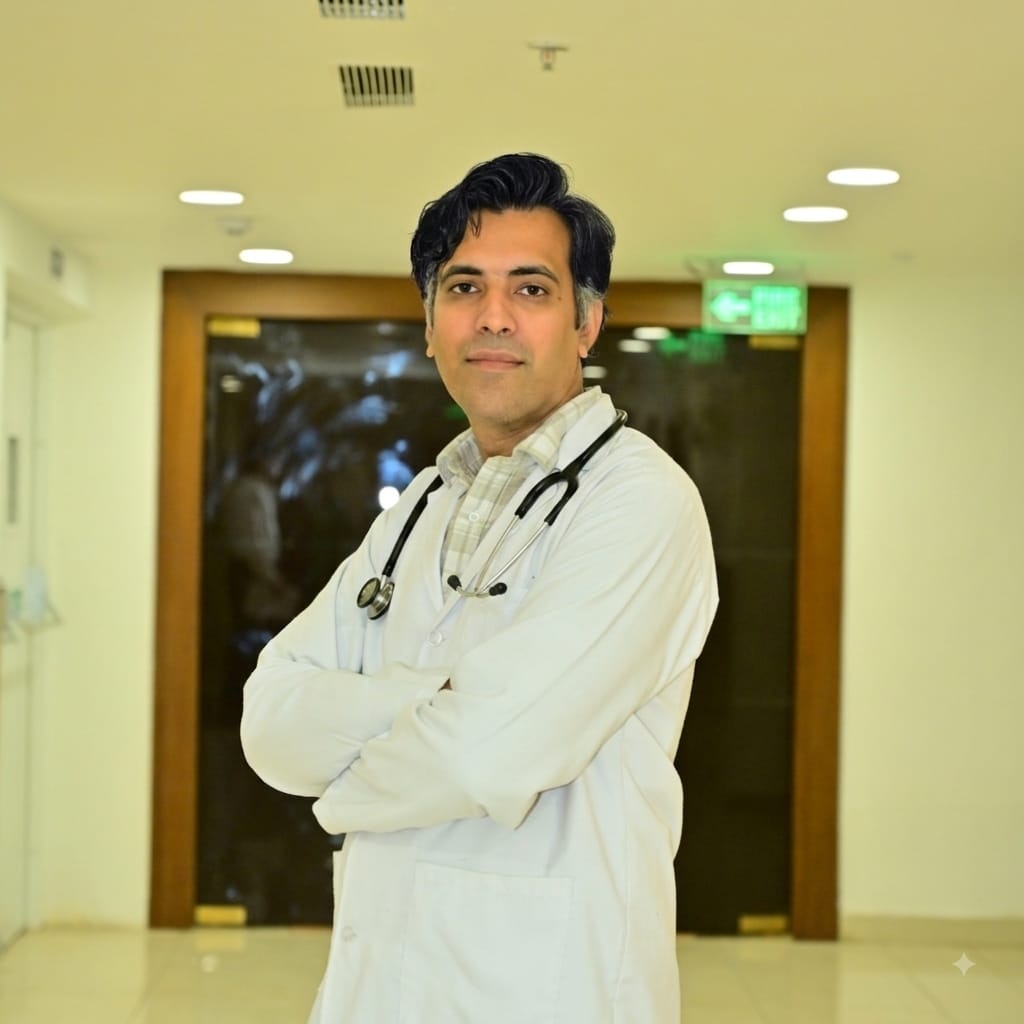
Charu Bhatia, Senior News Editor, Business Remedies, in conversation with Dr. Kunal Jain, Senior Consultant – Medical Oncology at Metro MAS Hospital, Jaipur, Rajasthan
Cancer care is evolving with advances in diagnostic technology, innovative therapies and a growing understanding of the disease. However, delayed diagnosis, limited awareness and the high cost of treatment continue to pose significant challenges. Early detection and timely medical intervention can make a crucial difference to treatment outcomes and patients’ quality of life.
 In this interview, Dr. Kunal Jain, Senior Consultant – Medical Oncology at Metro MAS Hospital, Jaipur, discusses the changing cancer landscape in India, the rising concern over cancer among younger people, early warning signs that should not be ignored, and the role of artificial intelligence in diagnosis and treatment planning. He also highlights advances in chemotherapy, immunotherapy and targeted therapies, the importance of family support, and the need to dispel common myths about cancer. Emphasising awareness and timely consultation, Dr. Jain urges people to recognise warning signs and seek appropriate medical advice without delay.
Q: You are working as an oncologist at Metro Mas Hospital, Jaipur. How has your journey been so far, and what inspired you to build a career in oncology?
A: My family has been my biggest inspiration. Both my father and brother are doctors, and growing up in a family associated with medicine encouraged me to pursue a career in healthcare. I completed my MBBS from RNT Medical College, Udaipur, followed by postgraduate studies in Bikaner and a DM in Ahmedabad.
During my medical education and subsequent training, I realised that there was a significant shortage of oncologists, while the need for specialised cancer care was growing. I understood that oncology was a field in which I could make a meaningful contribution to patients’ lives. This realisation motivated me to choose the speciality and dedicate myself to cancer diagnosis and treatment.
Q: How has the cancer landscape in India changed over the past decade in terms of incidence, types and the population affected?
A: Cancer awareness has increased considerably in recent years. More people are now familiar with the disease, recognise the importance of medical consultation and are willing to seek treatment. Improvements in diagnostic facilities have also enabled doctors to identify cancers that might previously have remained undiagnosed.
The rising number of reported cases is a concern, and several factors may contribute to the overall trend. Tobacco consumption and smoking remain important preventable risk factors. Dietary patterns, environmental exposures, alcohol consumption and changes in lifestyle may also influence cancer risk. Exposure to certain agricultural chemicals is another area of concern, although the risks depend on the specific substances and the nature and duration of exposure.
Q: Cancer is increasingly being discussed among younger people. What could be contributing to this trend?
A: Lifestyle and behavioural factors deserve serious attention. Smoking and tobacco consumption are major risk factors for several cancers, including cancers of the mouth, throat and lungs. Alcohol consumption can also increase the risk of certain cancers, particularly when combined with tobacco use.
The growing consumption of highly processed foods, unhealthy dietary habits and physical inactivity are additional concerns, although their relationship with cancer varies according to the type of cancer. Certain infections also play a role. Human papillomavirus (HPV), for example, is associated with cervical cancer and some cancers of the mouth and throat. HPV can spread through intimate sexual contact, and vaccination is an important preventive measure.
Q: What are the biggest challenges in cancer prevention, diagnosis and treatment?
A: One of the biggest challenges is detecting cancer at an early stage. When cancer is identified before it has spread, treatment is often more effective, and the chances of a favourable outcome can be considerably higher. Some early-stage cancers can be cured, depending on the type and other clinical factors.
Unfortunately, many people ignore initial symptoms or delay seeking medical attention because they fear a cancer diagnosis, lack awareness or assume that the symptoms will disappear on their own. By the time they consult a specialist, the disease may have advanced, making treatment more complicated and reducing the likelihood of successful outcomes.
The second major challenge is the cost of treatment. Cancer care can involve surgery, chemotherapy, radiotherapy, immunotherapy and other specialised procedures. Some newer treatments are expensive and may not be accessible to every patient.
Government schemes and public healthcare programmes provide important financial assistance, but the treatments covered, eligibility conditions and reimbursement limits vary. Newer therapies may not always be included in every scheme. Depending on the cancer and treatment plan, expenses can reach several lakhs of rupees.
Q: What early warning signs should prompt someone to consult an oncologist?
A: People should pay attention to changes in their bodies, particularly symptoms that persist, recur or worsen without an obvious explanation.
For oral cancer, a mouth ulcer that does not heal within two weeks should be examined, especially in people who use tobacco. An unexplained lump in the neck or throat also requires medical evaluation. In the case of breast cancer, any new lump, unusual thickening or other persistent breast change should be assessed by a doctor.
A cough that continues for a prolonged period, unexplained changes in bowel habits, blood in the stool, difficulty swallowing or unexplained weight loss should not be ignored. Women who experience vaginal bleeding after menopause must seek medical assessment promptly.
Q: How are artificial intelligence and modern technology helping in cancer detection and treatment?
A: Artificial intelligence has considerable potential to improve cancer diagnosis and treatment planning. AI-based tools can assist doctors in analysing medical images, identifying suspicious abnormalities and prioritising cases that require further investigation. Such tools may support earlier detection, particularly when used alongside established screening and diagnostic methods.
Digital healthcare applications are also making health information more accessible. Some applications provide symptom questionnaires, risk assessments and information about when to seek medical advice. However, these tools cannot independently confirm or rule out cancer. A proper diagnosis may require clinical examination, imaging, laboratory investigations and a biopsy.
Technology is also contributing to drug discovery and the development of personalised treatment approaches. In radiotherapy, AI-assisted planning can help clinicians design treatment plans with greater precision. These developments may improve efficiency and help doctors tailor care to individual patients.
Q: Is family history a significant risk factor for cancer?
A: Yes, family history can be an important risk factor for certain cancers. Genetic changes inherited from parents may increase susceptibility to breast, ovarian and colorectal cancers, among others. However, most cancers are not necessarily inherited, and having a family history does not mean that a person will inevitably develop the disease.
Certain patterns deserve particular attention, such as multiple relatives being diagnosed with the same or related cancers, cancer developing at an unusually young age, or several generations being affected. In such situations, doctors may recommend genetic counselling, appropriate testing and an individualised screening plan.
When a patient is diagnosed with cancer at a young age, we examine the family history carefully. Depending on the findings, other family members may also benefit from risk assessment and earlier or more frequent screening. The objective is to identify people at increased risk and intervene before cancer develops or while it is still at an early stage.
Q: Could you explain the role of chemotherapy and how cancer treatment has evolved?
A: Chemotherapy remains an important treatment for many cancers. It uses medicines to destroy cancer cells or stop them from growing and dividing. Depending on the diagnosis, chemotherapy may be administered before surgery to shrink a tumour, after surgery to reduce the risk of recurrence, or as the main treatment for certain cancers.
Like other medical treatments, chemotherapy can cause side effects. These may include nausea, vomiting, fatigue, constipation, hair loss and changes in blood cell counts. The nature and severity of side effects vary depending on the medicines used and the patient’s overall health.
Q: What is the most common myth about cancer that needs to be addressed?
A: One of the most widespread misconceptions is that cancer is always incurable. This is not true. Many cancers can be cured, particularly when detected early and treated appropriately. The outcome depends on several factors, including the cancer’s type, stage, biological characteristics and response to treatment. It is therefore misleading to assume that every cancer has the same prognosis.
Awareness also varies across cancer types. Oral cancer remains a major concern because of tobacco consumption and delayed diagnosis. Cervical cancer is another important example, as HPV vaccination and appropriate screening can substantially reduce the risk of disease. Breast cancer awareness has improved, but regular attention to symptoms and recommended screening remains necessary.
The key message is that people should not allow fear or misconceptions to delay consultation. An early diagnosis can make a significant difference.
Q: Cancer treatment can be emotionally demanding. How important are family support and psychological counselling?
A: Family support is extremely important throughout the cancer journey. Treatment can be physically exhausting and emotionally challenging, and patients often experience anxiety, uncertainty and fear. A supportive family can help patients attend appointments, follow medication schedules, maintain adequate nutrition and manage the practical demands of treatment. Emotional encouragement can also help patients cope with the difficulties associated with diagnosis and recovery.
Psychological counselling can be beneficial when patients experience persistent anxiety, sadness, fear or difficulty adjusting to their diagnosis. Psychologists and counsellors can provide coping strategies, help patients manage stress and support communication within the family. Where necessary, mental health professionals can also identify patients who require more specialised care.
Q: What are the major areas of ongoing research in cancer treatment?
A: Cancer research is advancing across several areas. Immunotherapy is one of the most promising developments. It works by helping the immune system recognise and attack cancer cells. Researchers are studying ways to make these treatments effective for more cancer types and to identify which patients are most likely to benefit.
Targeted therapies are another important area of progress. These treatments focus on particular molecular changes involved in cancer growth. Research is also aimed at developing newer medicines, improving existing drugs and making treatment more accessible and affordable.
Robotic and minimally invasive surgeries are evolving as well. In suitable cases, these techniques may offer benefits such as smaller incisions and faster recovery, although their suitability depends on the procedure and the patient’s condition.
Advances in molecular diagnostics, personalised medicine, AI-assisted radiotherapy and clinical trials are also helping researchers explore more precise approaches to cancer care.
Q: Finally, what message would you like to share with our readers?
A: My message is simple: do not ignore the warning signs your body gives you. Cancer is not always preventable, but many cancers can be treated successfully, and some can be cured, particularly when detected early.
Avoid tobacco, limit alcohol consumption, follow a healthy lifestyle, consider recommended vaccinations and participate in appropriate cancer screening. If you notice a persistent ulcer, an unexplained lump, unusual bleeding, a lasting change in bowel habits or unexplained weight loss, consult a qualified doctor rather than delaying treatment or relying on self-diagnosis.
Most importantly, do not allow fear of cancer to prevent you from seeking medical help. Awareness, timely diagnosis and appropriate treatment can make a meaningful difference to patients and their families.