
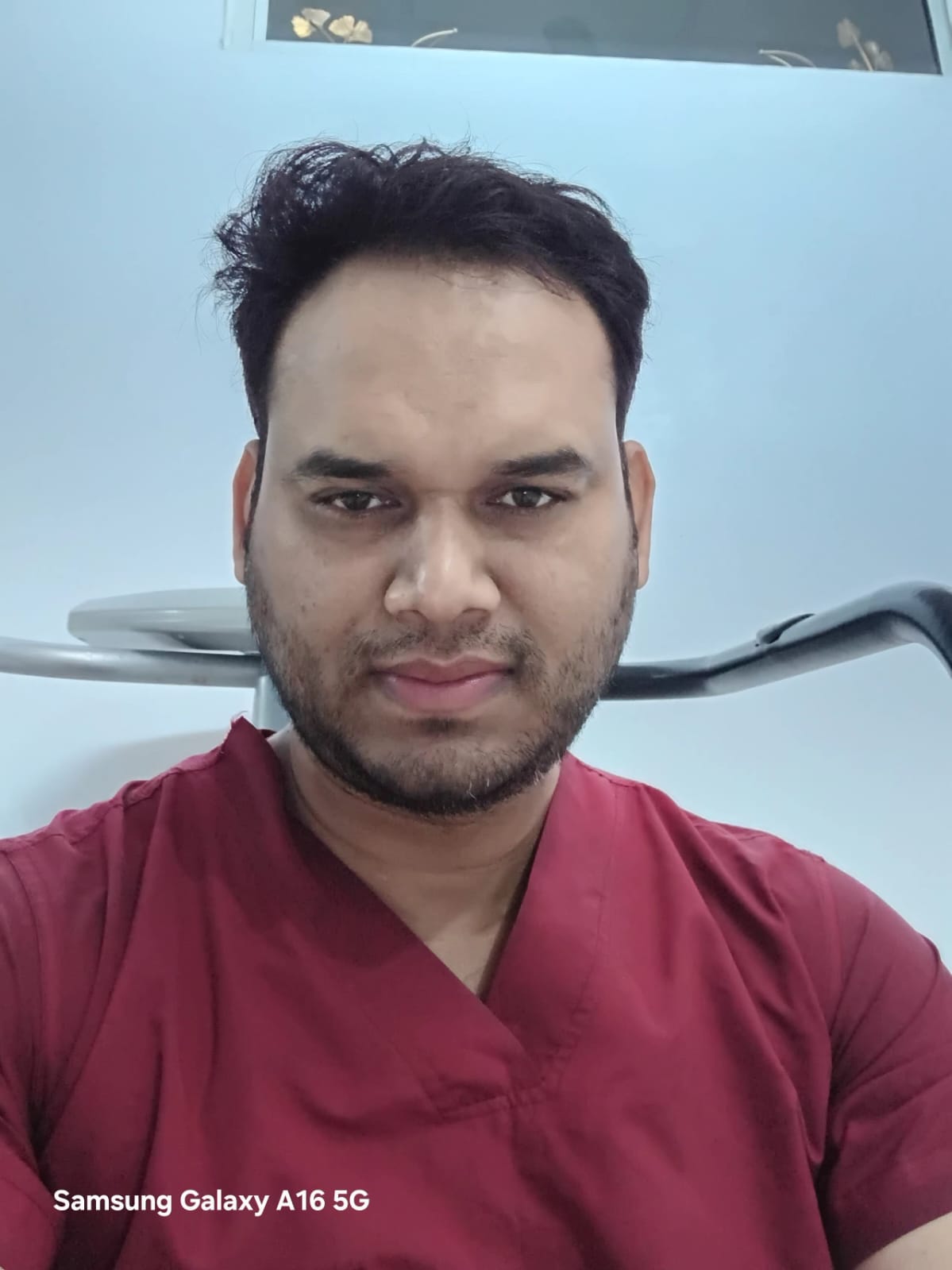
Charu Bhatia, Senior News Editor, Business Remedies, in conversation with Dr. Raj Kumar, a renowned physiotherapist in Jaipur
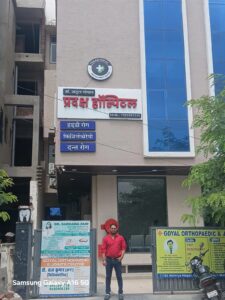
As lifestyle-related disorders, poor posture, sports injuries and post-surgical rehabilitation become increasingly common, physiotherapy has emerged as a crucial pillar of modern healthcare. Yet, despite its growing relevance, many misconceptions continue to surround the profession. In this interview, Dr. Raj Kumar, Sports Physiotherapist at Pradaksh Hospital and Research Centre, Jaipur, BPT, MPT (Sports), CMSED, D in Neurotherapy and MD in Neurotherapy and EMT holder, reflects on his professional journey, the evolution of physiotherapy in India, the challenges faced by practitioners, and the role of rehabilitation in helping patients regain mobility and lead healthier lives. He also shares inspiring patient success stories and his vision for the future of the profession.
Question: You are a renowned physiotherapist at Pradaksh Hospital and Research Centre, Jaipur. How has your journey been so far?
Answer: My journey in physiotherapy has been both enriching and fulfilling. From the very beginning, I was drawn to the idea of helping people recover from pain and physical limitations without relying heavily on medicines. The ability to restore movement, improve quality of life and bring relief through therapeutic techniques inspired me to choose this profession.
My educational training and professional experience have given me exposure to a wide range of medical environments. I have worked at institutions such as Bone Hospital, Agra, Military Hospital, Agra, and Purushottam Das Savitri Devi Cancer Care and Research Center in Agra. These experiences helped me develop a deeper understanding of rehabilitation and patient care.
In 2012, I moved to Jaipur and joined Rungta Hospital. Subsequently, I worked at Bone and Joint Clinic under Manipal and later at Aditi Hospital in Tilak Nagar. In 2018, I began my association with Goyal Ortho and Joints Hospital, where I further expanded my practice and expertise.
Throughout my career, my primary motivation has remained unchanged—to help patients overcome pain and regain mobility through physiotherapy. Whether through therapeutic exercises, manual techniques, massages, or rehabilitation programmes, physiotherapy provides an effective, non-invasive path to recovery and wellness.
Question: How has physiotherapy evolved over the years?
 Answer: The field of physiotherapy has witnessed tremendous growth over the past few decades. Earlier, awareness about physiotherapy was relatively limited, and many people viewed it as a supplementary service rather than an essential part of healthcare.
Today, the situation is very different. Patients are becoming increasingly informed about the benefits of physiotherapy, especially for conditions involving pain management, rehabilitation and mobility improvement. More people now understand that many conditions can be effectively treated without surgery or long-term medication.
Whether it is chronic back pain, cervical spondylosis, sports injuries, post-operative recovery or age-related mobility issues, physiotherapy is now widely recognised as a specialised branch of medicine. Increased awareness among patients and healthcare providers has contributed significantly to its acceptance and growth.
Question: What do you think about the role of AI and technology in physiotherapy?
Answer: Technology has certainly contributed to advancements in physiotherapy, but it cannot replace the expertise and personal interaction offered by a trained physiotherapist. Modern rehabilitation centres use various technologies, including laser therapy, advanced electrotherapy equipment and exercise-based rehabilitation devices.
Technology helps improve treatment precision and enhances patient outcomes. Newer modalities assist in pain management, muscle stimulation and functional recovery. However, physiotherapy remains a highly hands-on profession. A physiotherapist evaluates movement patterns, understands individual patient needs and designs customised treatment plans.
Question: What kind of issues do patients commonly come to you with?
 Answer: We encounter a wide range of conditions in our practice. Some of the most common problems include frozen shoulder, back pain, neck pain, cervical spondylosis, sciatica, slipped disc, facial palsy, arthritis, foot drop, wrist drop, tennis elbow and various spine-related disorders.
A significant number of patients today suffer from posture-related problems caused by prolonged sitting, excessive screen time and sedentary lifestyles. We also see many patients recovering from surgeries and injuries who require rehabilitation to regain strength and mobility.
Sports injuries are another important area. Athletes and fitness enthusiasts often seek physiotherapy for injury management, muscle strengthening, endurance building and performance enhancement. Physiotherapy itself offers several specialisations, including orthopaedic, neurological, paediatric, cardiac and sports physiotherapy, allowing practitioners to address diverse healthcare needs.
Question: How do you see the interdependency between orthopaedics and physiotherapy?
Answer: Orthopaedics and physiotherapy are closely connected and often work hand in hand. Orthopaedic specialists diagnose and manage conditions such as fractures, joint replacements, ligament injuries and spinal disorders. In many cases, surgery may be required to correct the underlying problem.
However, successful recovery depends heavily on rehabilitation. This is where physiotherapy becomes indispensable. After surgeries such as knee replacement, fracture fixation or ligament reconstruction, physiotherapy helps restore strength, flexibility, balance and functional mobility.
In sports rehabilitation as well, physiotherapy plays a vital role in helping athletes return safely to their activities. I often say that in major orthopaedic cases, medicines and surgery may account for a portion of the treatment, but physiotherapy contributes significantly to the recovery process. Without proper rehabilitation, patients may not achieve optimal outcomes.
Question: What are the challenges that physiotherapists face today?
Answer: One of the biggest challenges is the lack of recognition and understanding of the profession. Despite undergoing extensive academic training and clinical practice, physiotherapists often do not receive the professional recognition they deserve.
Many people still associate the title of “doctor” only with those who prescribe medicines. As a result, physiotherapists are sometimes underestimated despite playing a critical role in patient recovery and rehabilitation.
Greater awareness is needed among both the public and healthcare professionals regarding the scope, expertise and contribution of physiotherapy. Recognising physiotherapists as key members of the healthcare ecosystem would help strengthen patient care and improve professional opportunities within the field.
Question: What lifestyle modifications do you recommend for people facing mobility issues?
Answer: Lifestyle plays a major role in maintaining mobility and preventing musculoskeletal disorders. For men, I often emphasise the importance of regular physical activity. Cycling, for example, is an excellent way to keep muscles active, improve endurance and support overall fitness. Whenever possible, incorporating more physical movement into daily routines can be highly beneficial.
For women, maintaining proper posture is especially important, as many develop spine, neck and shoulder issues due to lifestyle factors and household responsibilities. Pregnancy is another area where misconceptions exist. Many people still believe that women should avoid physical activity during pregnancy. In reality, appropriate exercises under professional guidance can help maintain fitness, improve strength and support overall well-being during pregnancy. Staying active contributes positively to maternal health and can aid in smoother recovery after childbirth.
Question: What are some of the newer techniques being introduced in physiotherapy?
Answer: Physiotherapy continues to evolve with advancements in science and technology. Robotic-assisted rehabilitation is becoming increasingly popular, particularly for neurological and post-stroke rehabilitation. These systems help improve movement patterns and support recovery.
Laser therapy and advanced electrotherapy modalities are also gaining prominence for pain management and tissue healing. Additionally, rehabilitation exercises themselves have become more sophisticated. New stretching protocols, balance training techniques, functional movement exercises and ball therapy programmes are being widely adopted.
Question: What do you think about the future of physiotherapy?
Answer: The future of physiotherapy is extremely promising. Modern lifestyles have led to a rise in musculoskeletal disorders, posture-related problems and chronic pain conditions. As people spend more time sitting and using digital devices, issues such as neck pain, back pain and cervical disorders have become increasingly common.
At the same time, people are becoming more conscious about fitness, mobility and preventive healthcare. This growing awareness is creating greater demand for physiotherapy services.
Question: What do you think about government support for physiotherapy?
Answer: There is no support from government’s side and not only that, even doctors don’t support physiotherapists. They also don’t encourage and promote physiotherapy. One such recent case was when one of the patients after a major surgery in a corporate hospital in Jaipur was recommended not to exercise. This all shows cold behaviour towards physiotherapy. Physiotherapists also work hard and study equivalent to an MBBS student. This is just another branch altogether.
Question: What is your long-term vision?
Answer: My long-term aspiration is to establish a dedicated hospital where comprehensive rehabilitation and physiotherapy services can be provided under one roof.
I would also like to acknowledge the support I have received from Dr. Atul Goyal, Orthopaedic Specialist and Founder of Goyal Ortho and Joints Centre. His encouragement and belief in the value of physiotherapy have been instrumental in my professional growth.
Question: What message would you like to give to young people who want to pursue physiotherapy?
Answer: Physiotherapy is a rewarding profession that combines science, compassion and patient care. I encourage young people to learn more about courses such as Bachelor of Physiotherapy (BPT) and Master of Physiotherapy (MPT) and to pursue quality education and training.
The healthcare sector is evolving rapidly, and physiotherapists have an important role to play in improving lives. Continuous learning, practical experience and professional development are essential for success. Those who are passionate about helping people regain their independence and mobility will find physiotherapy to be a highly fulfilling career.
Patient Success Stories
Dr. Raj Kumar recalls several memorable cases that highlight the transformative impact of physiotherapy.
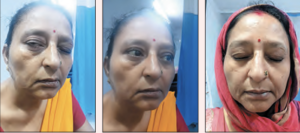
One such patient, Sandhya from Malviya Nagar, Jaipur, came to the clinic with facial palsy, a condition caused by damage to the facial nerve that results in weakness or paralysis of facial muscles. She experienced difficulty opening and closing her eyes and had noticeable facial asymmetry.
The treatment plan included muscle stimulation therapy, gentle facial massage techniques, guided vocal exercises, balloon exercises, Om chanting and hot-water gargling. Over time, these interventions helped improve muscle activation and facial coordination. Within a short period, she regained significant control over her facial movements and was able to open and close her eyes normally.
Another remarkable case involved Manorama, an 82-year-old patient who had developed complications related to partial paralysis. Through a carefully designed physiotherapy programme that included muscle stimulation techniques aimed at improving nerve and muscle function, her condition improved considerably. Within approximately two weeks, she experienced greater comfort and improved functionality, demonstrating the effectiveness of targeted rehabilitation even in advanced age.