
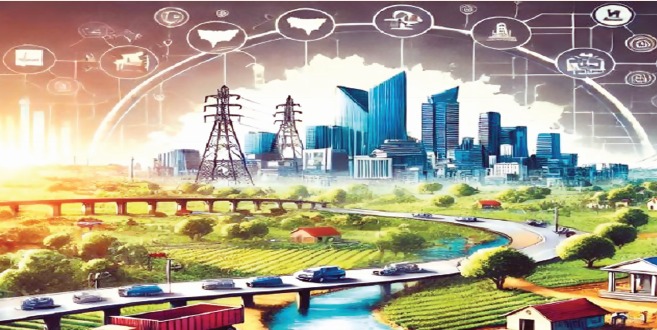
Business Remedies | Charu Bhatia | The tug-of-war between urban and suburban real estate demand continues to shape housing trends across India’s metros and Tier 2/3 cities. While urban cores still boast commercial convenience and infrastructure, the suburban surge, fueled by hybrid work, affordability, and lifestyle preferences, is becoming impossible to ignore.
Post-Pandemic Shifts That Stuck
The pandemic reshaped how people think about space. As remote work blurred the lines between home and office, city dwellers began seeking larger homes, better air quality, and quieter surroundings. This led to a spike in demand for suburban housing from 2020-2022. Surprisingly, that demand hasn’t reversed, it’s evolved.
In 2025, hybrid work is still dominant, and while some professionals are returning to city offices, they’re doing so only part-time. This means buyers continue to prioritize comfort, green spaces, and amenities, features more commonly found in suburban townships and gated communities.
Urban Core: Still Holding Value
That said, urban areas are far from losing steam. Cities like Mumbai, Delhi NCR, Bengaluru, and Pune continue to see strong demand in specific micro-markets. Redevelopment projects, infrastructure upgrades (like metro connectivity and expressways), and luxury housing continue to drive urban investment.
Key trends in urban real estate
Luxury and branded residences are booming in premium locations.
8 Vertical growth and redevelopment of older buildings are unlocking new inventory.
8 Rental yields in central business districts remain high, especially near tech hubs and educational institutions.
Suburban Growth: Affordability Meets Aspiration
Suburban areas, from Dwarka Expressway in NCR to Panvel in Mumbai, Sarjapur in Bengaluru, and Perumbakkam in Chennai, are thriving. Integrated townships, better infrastructure, and lower ticket sizes make them attractive to first-time buyers and investors.
Why suburban demand is rising:
8 Lower property prices with bigger built-up areas.
8 Upcoming infrastructure (expressways, metros, airports).
8 Better community living with green spaces, schools, and retail zones.
The Buyer Mindset in 2025
Today’s buyers are value-conscious, digitally savvy, and long-term focused. They’re looking beyond location and prioritizing lifestyle, sustainability, and future appreciation. Real estate platforms and proptech firms are reporting higher inquiries for projects that promise a “complete living experience,” a trend more aligned with suburban planning.
What Lies Ahead?
The urban-suburban divide is no longer binary, it’s fluid. Investors are betting on satellite towns, but urban redevelopment continues to attract HNIs and NRIs. As infrastructure improves and digital-first home buying becomes the norm, both segments will likely coexist, serving different buyer personas.
 Written & Edited By:
Charu Bhatia