


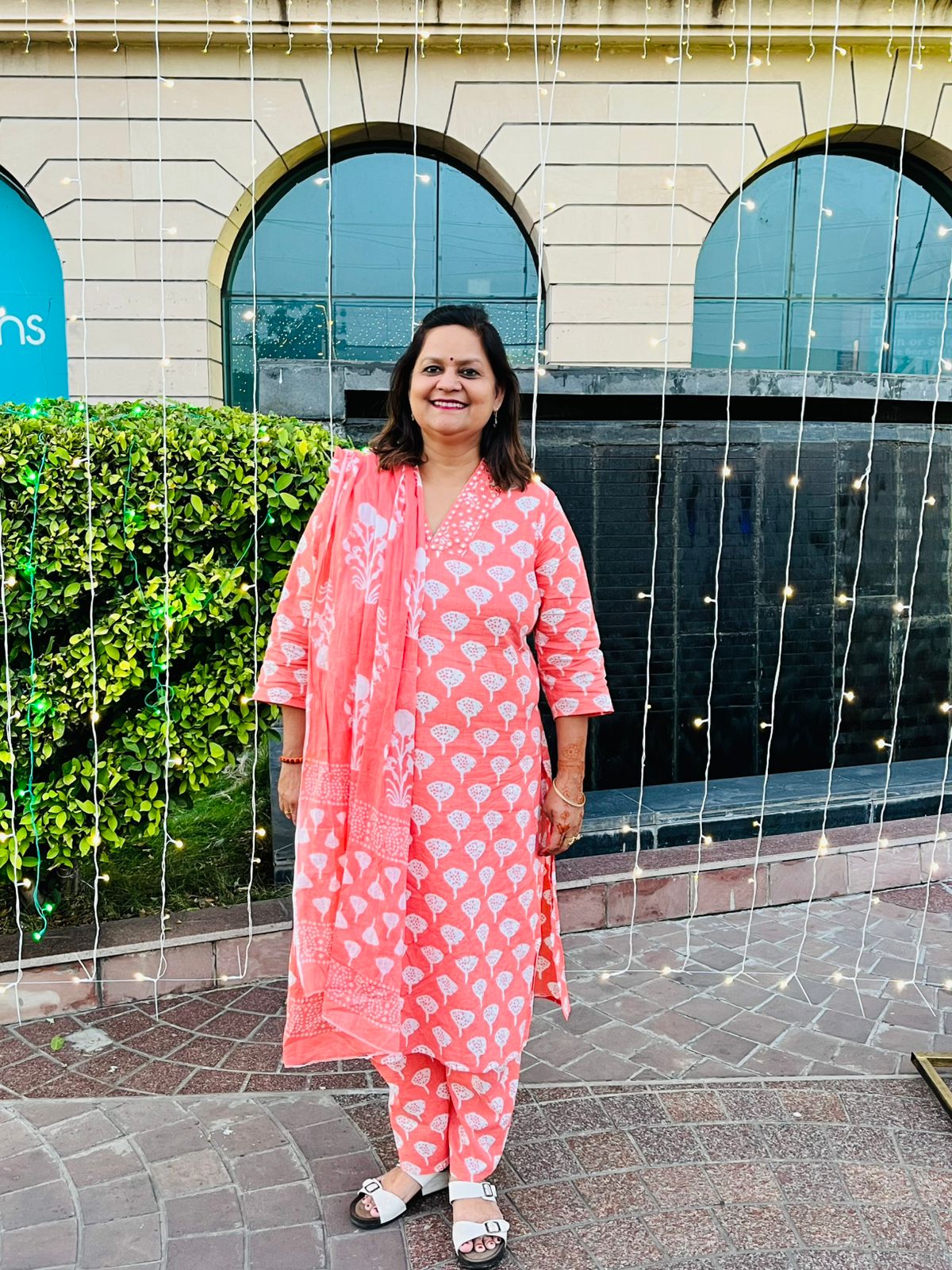
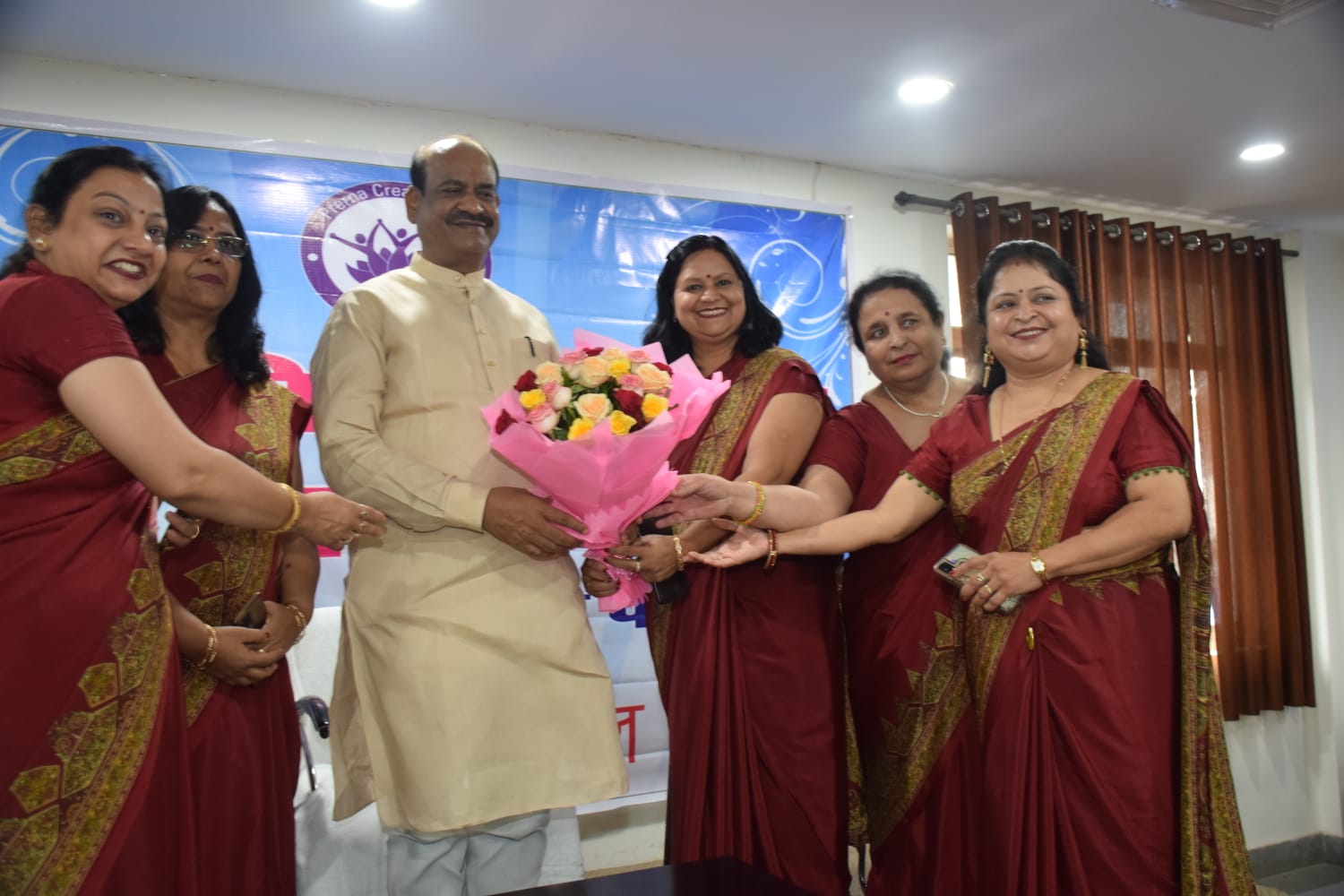
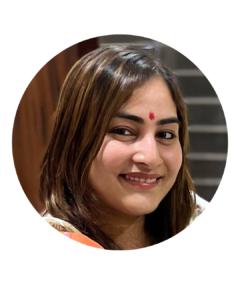
Business Remedies | Shruti Kothari | Sr. News Editor | Few artists turn their passion into a legacy. Fewer still combine that legacy with a sense of service. Shruti Johri, founder of Akarshan Nritya Kala Kendra in Kota, has spent over three decades training students in Kathak while quietly leading impactful community initiatives. A recipient of several prestigious honours including the Natraj Sangeet Natak Academy Award, Kalavardhini Samman, and Kayasth Ratna, Shruti’s contributions extend far beyond the stage. Deeply involved in social service, she has been recognised by Shri Om Birla, Speaker of the Lok Sabha, for her continued work with the underprivileged. From organising blood donation drives and self-defence workshops for girls to providing free meals to hospital patients and running cultural outreach programs, her journey is as graceful as it is grounded. In this conversation, she reflects on her roots, her rhythms, and the deeper purpose that guides her every step.
 In conversation with Shruti Johri, Founder of Akarshan Nritya Kala Kendra and Social Worker, Kota
Q: You seem to carry the grace of an artist and the spirit of a changemaker. What kind of upbringing shapes a person to walk so many paths with such purpose?
A: I believe some values are simply inherited, absorbed through the atmosphere we grow up in. I belong to a Kayastha family, a community long known for its deep cultural and intellectual roots. Many prominent artists and writers like Amitabh Bachchan, Harivansh Rai Bachchan, and Satyajit Ray come from Kayastha backgrounds. In our families, the arts are not treated as extracurriculars but they are woven into daily life. In our home too, art was a way of living. Everyone had some creative skill.
My father, Mr. Rajendra Kumar Kulshreshtha, was a senior officer in the Income Tax Department. But beyond his professional role, he was a poet at heart and a musician by soul. His compositions were regularly broadcast on Doordarshan and All India Radio from Bhopal and Indore. He also taught music at home, never accepting payment, firmly believing that art should be offered, not sold. As a child, I would sit beside him during his music sessions. That space became my first classroom. I’ve held onto many of his writings, and here is an excerpt from one of his beautiful compositions.
कविता रुचि है, काम नहीं है।
मेरा काव्य कलाम नहीं है।
गंगा जल है, जाम नहीं है।।
कैसी विजय, पराजय कैसी।
प्रेम कोई संग्राम नहीं है।।
It was in this environment, rich with rhythm, sincerity, and quiet inspiration, that the foundation of my journey was laid.
Q: How did your early life and education guide you toward Kathak as a profession?
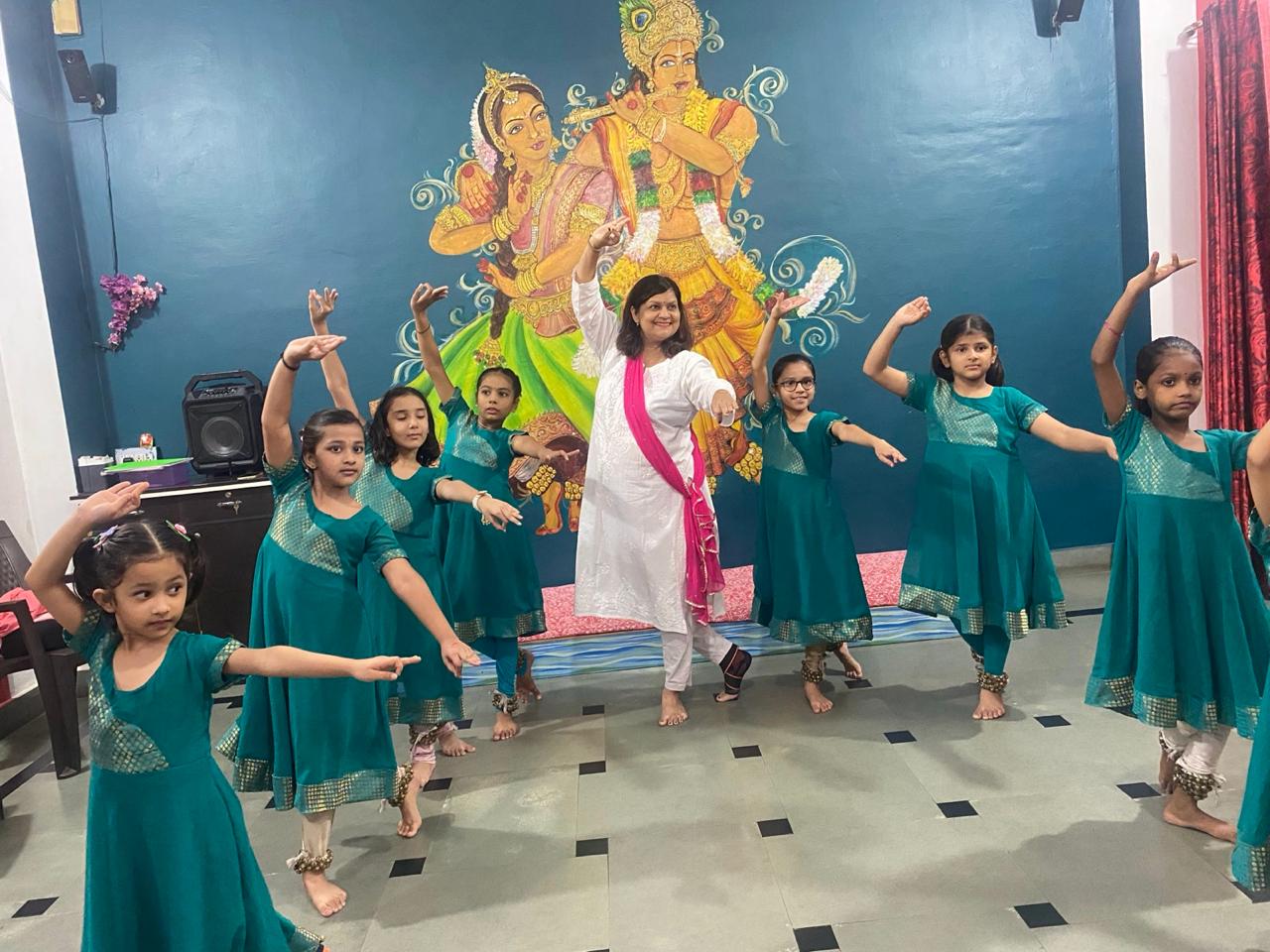
A: My schooling took place across many towns in Madhya Pradesh, beginning in Shivpuri, where I also began learning Kathak at the age of seven under Shri Munnekha ji. My father’s transferable job brought constant change, but the thread of art and rhythm remained unbroken. When I was twelve, my father passed away, and life took a difficult turn. My mother, Smt. Chandrakanta Kulshreshtha, entered government service through the compensation scheme, and we eventually settled in Gwalior. I enrolled at KRG College, where I chose Kathak as an academic subject. I trained under Dr. Sudha Singh, followed by Dr. Vijaya Sharma, and later under the nurturing guidance of Samraddha Choudhary, who helped me complete my Master’s degree in Kathak from Jiwaji University. I also pursued a Master’s in History, as I believe that understanding our past lends greater depth to classical expression. To support my family, I began teaching Kathak during my college years. What began as a necessity soon became a source of joy. By the time I was preparing for my marriage, I was certain that Kathak was not just my passion but my calling. My husband, Mr. Anurag Johri, has been a steady supporter of that dream. In 1994, I moved to Kota after my marriage. Soon after, I joined DAV School as its first Kathak teacher in 1995. From those early steps to today, Kathak has remained both my purpose and my path.
Q: Your institute, Akarshan Nritya Kala Kendra, has completed almost 30 years. How did this journey in Kota begin, and what has gone into building such a legacy?
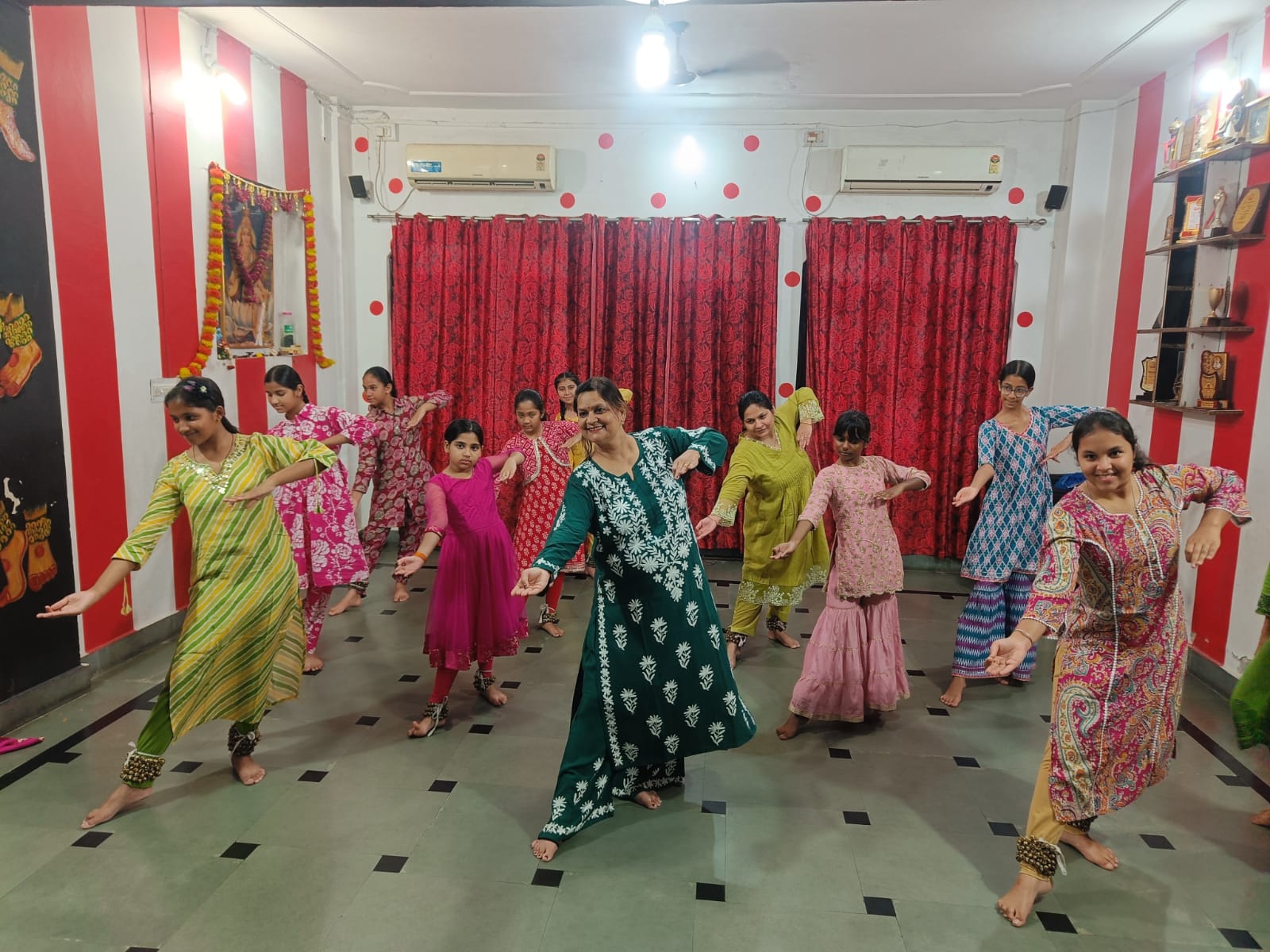
A: When I moved to Kota in 1994 after marriage, I had no connections, only a quiet determination to continue teaching Kathak. In the summer of 1995, I placed a small advertisement and began classes from home. To build rapport, I also offered Bollywood and folk-dance lessons, along with craft and cooking sessions for children. My first Kathak batch began in 1996 with just two students. Since then, Aakarshan Nritya Kala Kendra has steadily grown. We are affiliated with Prayag Sangeet Samiti, and in the last 30 years, a thousand students have graduated from my academy, and over forty have earned their post-graduate degree in Kathak under my guidance. One of the reasons I believe parents have placed their trust in me over the years is because I have always prioritised the safety and well-being of my students. Young girls are never left unattended and leave only when their parents arrive. I believe an academy must be built not just on instruction, but on care, trust, and responsibility. And if a child shows promise but faces financial constraints, I never hesitate to teach them without charge. For me, the value of art far outweighs the cost. That spirit of giving is something I carry from my guru, Dr. Vijaya Sharma.
Q: With Kathak now widely seen on social media and in films, do you think this exposure fuels creativity or encourages imitation?
A: The digital era has brought Kathak closer to people than ever before. Social media, Bollywood, and reality shows have opened doors that were once hard to access. Performances, tutorials, and diverse interpretations are now just a click away. You now see Kathak choreographed on poetry, performed to Sufi music, and blended with contemporary themes, which reflects a welcome evolution. Bollywood has especially helped make Kathak more relatable. Songs like Mohe Rang Do Laal and Kahe Chhed Mohe have beautifully showcased the grace and intricacy of the form, encouraging young audiences to learn. Reality shows have made classical dance aspirational. At the same time, this convenience has led to increased imitation. This tendency to copy dilutes the individuality that makes each performance special. When we were students, the experience was very different. We witnessed our gurus compose taal, write lyrics, choreograph each movement, and perform everything live. That process instilled a deep sense of pride and connection. Every performance was original, rooted in effort and imagination. Social media, if used wisely, can be a powerful tool. I always encourage my students to draw inspiration, but to create with their own voice. Kathak is not about replication; it is about expression. Let your work reflect your story, your discipline, and your perspective. That is what keeps the art form alive, evolving, and deeply meaningful.
Q: What message would you share with young entrepreneurs looking to start their own dance academy?
A: My foremost advice is to complete your training before stepping into teaching. Kathak is not just a hobby; it is a discipline that demands serious study, dedication, and practice. If you wish to teach, your foundation must be strong enough to create and compose, not just replicate what already exists. It is also important to seek your guru’s permission before beginning your teaching journey. A guru is more than a teacher. They are your guide. Their blessings bring clarity, and their wisdom supports you through every challenge. Many of my students who now run their own academies still reach out to me, and I am always happy to help. I always tell my students to keep learning, keep dancing, and keep sharing this art. Kathak is more than a dance form. It builds character, confidence, and resilience. It keeps you physically active, mentally sharp, and emotionally grounded. When individuals are balanced, they nurture healthy families. Healthy families create a strong society. A strong society builds a better nation.
Q: Alongside teaching, you’re deeply involved in community work. What inspires that commitment?
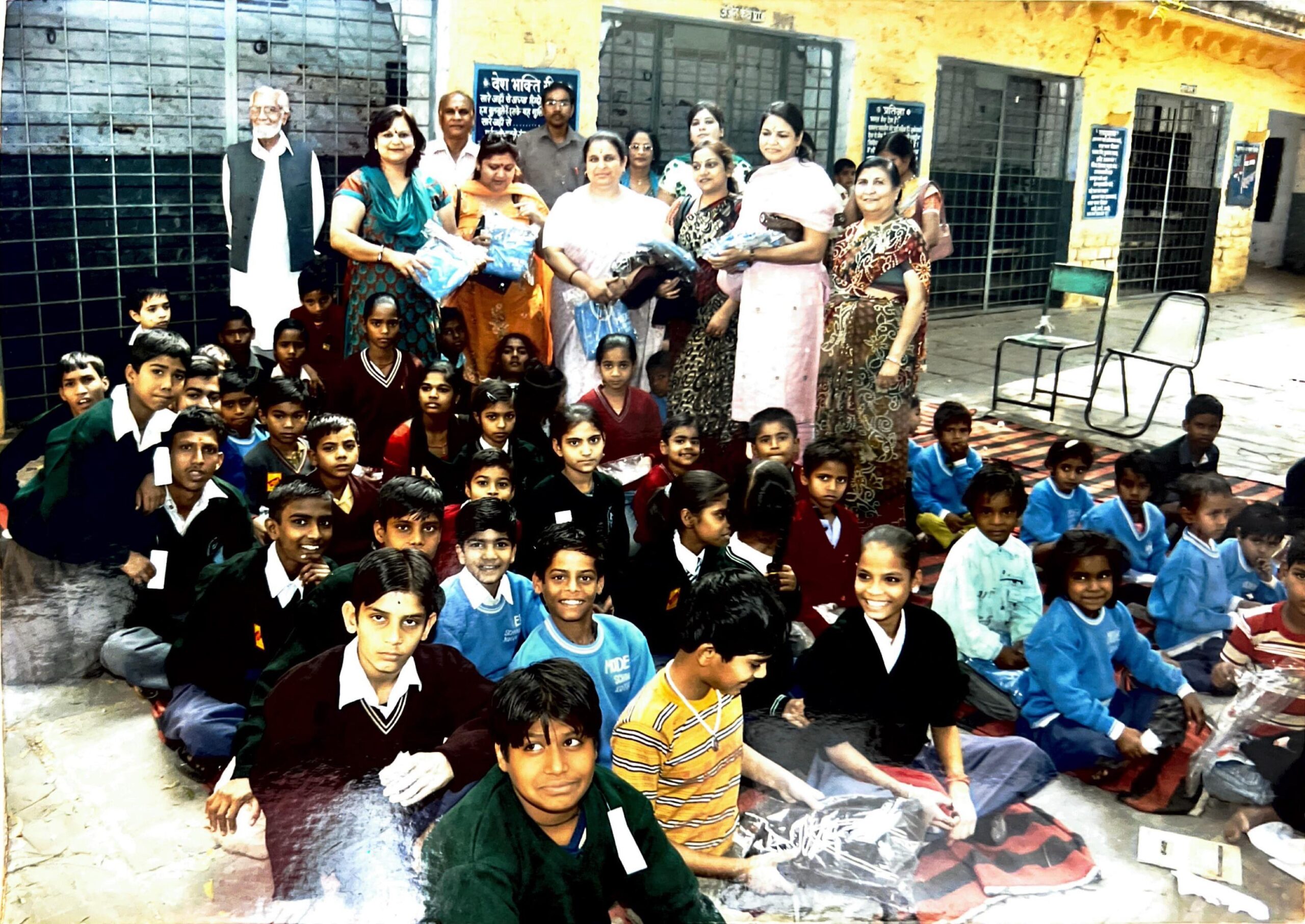
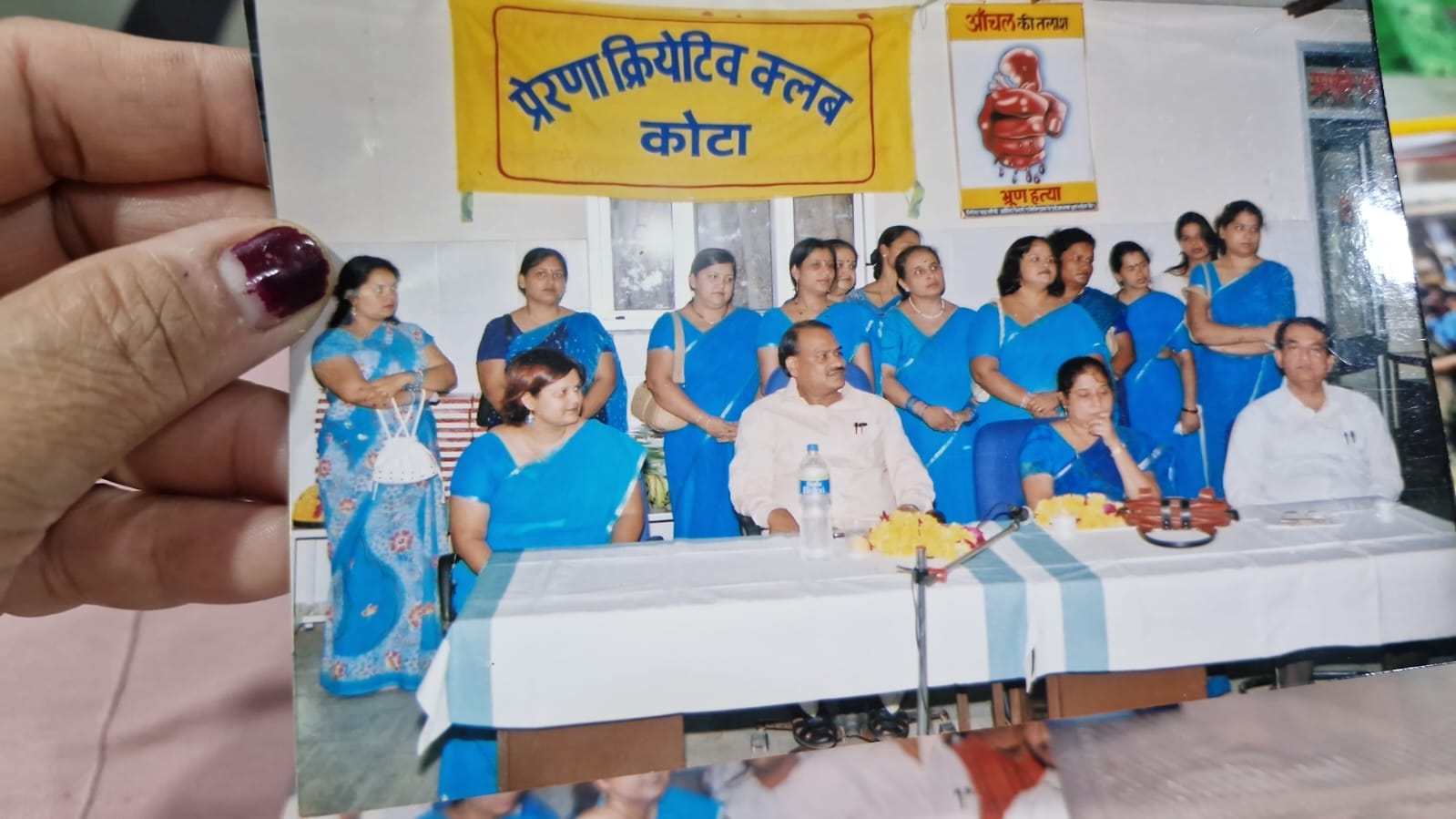
A: I believe each and every one of us owes something back to the community we live in. That thought led me to establish Prerna Creative Club, which I have been running for several years. The name itself reflects its purpose- to inspire, to serve, and to act with compassion. I simply follow one principle: if we can help, we must. I don’t wish to be remembered as someone who watched from the sidelines, but as someone who quietly showed up and did the work.
 Interviewed By:
Shruti Kothari