

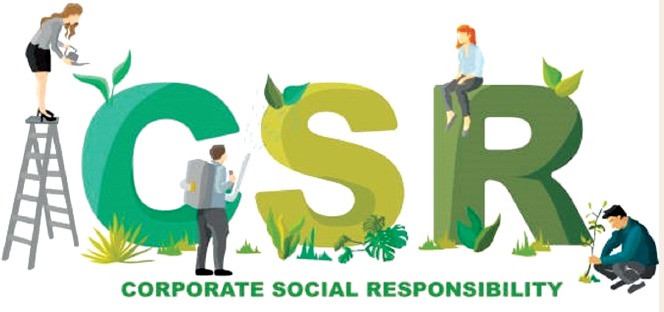
Business Remedies | Charu Bhatia | June 28 ,2025 | More than a decade since India became the first country in the world to mandate corporate social responsibility (CSR) spending, the landscape of corporate philanthropy and sustainability has evolved dramatically. From education and healthcare to climate action and women’s empowerment, CSR initiatives have become an integral part of corporate strategy. Yet, as businesses and policymakers look ahead, questions remain about the real impact of these programmes and how CSR can be more effective in driving sustainable change.
The Numbers Tell a Story
Under Section 135 of the Companies Act, 2013, Indian companies meeting certain financial thresholds must spend at least 2% of their average net profits over the past three years on CSR activities. According to the Ministry of Corporate Affairs (MCA), India Inc. spent over Rs. 26,210 crore on CSR in FY2023-24, up from around Rs. 24,865 crore in the previous year. Sectors like education, healthcare, rural development, and environmental sustainability continue to receive the largest share of CSR funding.
Shifting Priorities and Broader Scope
One significant shift in recent years has been the growing emphasis on aligning CSR initiatives with the Sustainable Development Goals (SDGs). Companies are increasingly designing projects to tackle systemic issues like climate change, gender equality, water conservation, and digital inclusion. For instance, several major corporations are investing in renewable energy, waste management, and afforestation efforts as part of their CSR strategies. Meanwhile, digital literacy programmes and skill development projects are helping bridge socio-economic divides, particularly in rural and semi-urban areas.
Measuring Impact Remains a Challenge
Despite the increase in spending and a broader scope of activities, experts note that evaluating the actual impact of CSR remains a persistent challenge. Many companies continue to measure success based on inputs (money spent, number of beneficiaries reached) rather than long-term outcomes or transformational change. “There’s a need for more rigorous monitoring and evaluation frameworks,” says Ananya Gupta, CSR consultant based in Mumbai. “It’s not enough to report how much you’ve spent. Stakeholders want to see measurable, sustained improvements in communities.”
Future Directions: From Compliance to Strategy
Going forward, CSR in India is poised to move beyond mere compliance. Industry watchers expect more corporations to integrate CSR deeply into core business strategies, fostering shared value rather than isolated philanthropic activities. ESG (Environmental, Social, and Governance) metrics are also playing a larger role, with investors increasingly evaluating companies on sustainability and social impact alongside financial performance. Additionally, collaborations are on the rise. Partnerships between corporates, government bodies, and non-profits are enabling larger, more scalable projects. Such collective efforts could help tackle complex issues like climate resilience, urban poverty, and public health crises more effectively than isolated initiatives.
The Road Ahead
As India charts its path towards inclusive and sustainable growth, CSR will continue to be a crucial tool. However, the future lies in making CSR efforts more strategic, data-driven, and aligned with the needs of communities. Companies that can demonstrate tangible, lasting impact will not only fulfil regulatory obligations but also enhance brand reputation, stakeholder trust, and long-term value creation.
 Written & Edited By:
Charu Bhatia