
Business Remedies | Charu Bhatia | The rise of smart cities is reshaping more than infrastructure, it’s transforming the way people shop, interact with brands, and experience urban retail. As cities integrate technology into daily life, retailers are being pushed to rethink traditional strategies, from storefronts to supply chains, to meet the expectations of a tech-savvy, connected population.
The Intersection of Smart Cities and Retail
Smart cities leverage IoT devices, AI analytics, and data-driven infrastructure to improve urban living. Sensors track traffic flow, mobile apps guide public transport, and digital payment systems are omnipresent. For retailers, these developments are goldmines of insights, enabling them to understand consumer behaviour in real time, tailor offerings, and create more efficient operations.
From location-based promotions to personalized shopping experiences, urban tech provides retailers the tools to predict demand, reduce operational waste, and improve customer satisfaction. Digital kiosks, augmented reality (AR) displays, and app-based navigation in malls are becoming common in smart urban environments, blurring the lines between online and offline retail.
Changing Shopping Patterns
1. Increased Mobile Commerce:
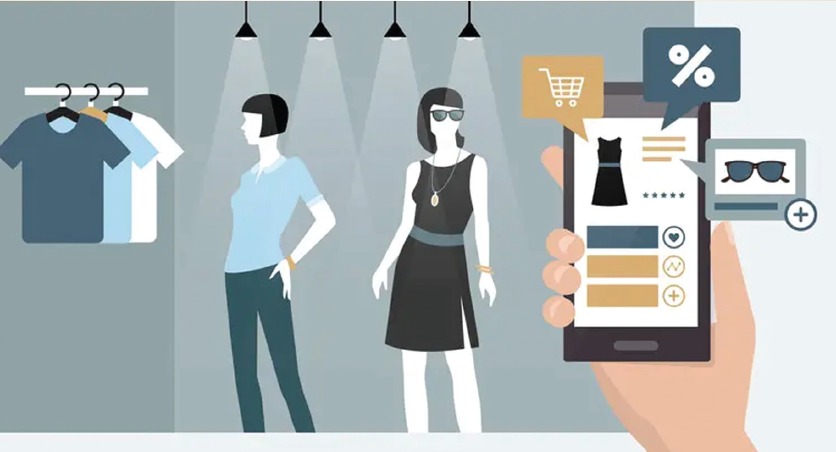
With integrated city apps and smart payment systems, consumers increasingly use their smartphones to browse, compare, and pay, even in physical stores. Retailers must ensure seamless omnichannel experiences to stay competitive.
2. Data-Driven Personalization:
IoT sensors, facial recognition tech, and loyalty apps allow retailers to track footfall, dwell times, and purchasing trends. This data enables targeted promotions, dynamic pricing, and personalized product recommendations.
3. Smart Supply Chains:
Urban tech also optimizes logistics. Automated warehouses, smart inventory tracking, and AI-driven delivery routes reduce stockouts and enable faster home delivery, key factors influencing modern consumer choices.
4. Experience-Centric Retail:
Smart city infrastructure encourages retailers to focus on experiences rather than just products. AR fitting rooms, interactive displays, and immersive pop-up stores appeal to urban shoppers who seek convenience and engagement.
Challenges and Considerations
While the potential is significant, implementing retail strategies in smart cities comes with challenges. Data privacy concerns are at the forefront, as consumers are increasingly aware of how their information is collected and used. Retailers also need to invest in technology and staff training to fully leverage urban tech without alienating customers who prefer traditional shopping methods.
Looking Ahead
As urban centers continue to evolve, the synergy between smart city initiatives and retail innovation will define the next decade of commerce. Retailers who harness data ethically, focus on seamless customer experiences, and adapt to changing urban lifestyles will thrive. From predictive analytics to immersive in-store tech, the future of shopping in smart cities is poised to be efficient, personalized, and deeply integrated into daily life.
 Written & Edited By:
Charu Bhatia