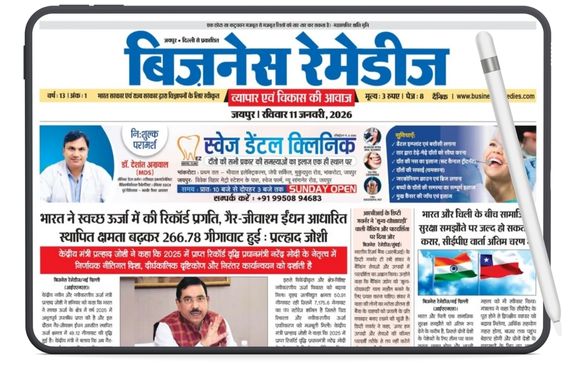


Charu Bhatia, Senior News Editor, Business Remedies, in conversation with Dr. Pankhuri Goyal Busar, Founder of Aastha Multi- Speciality Hospital
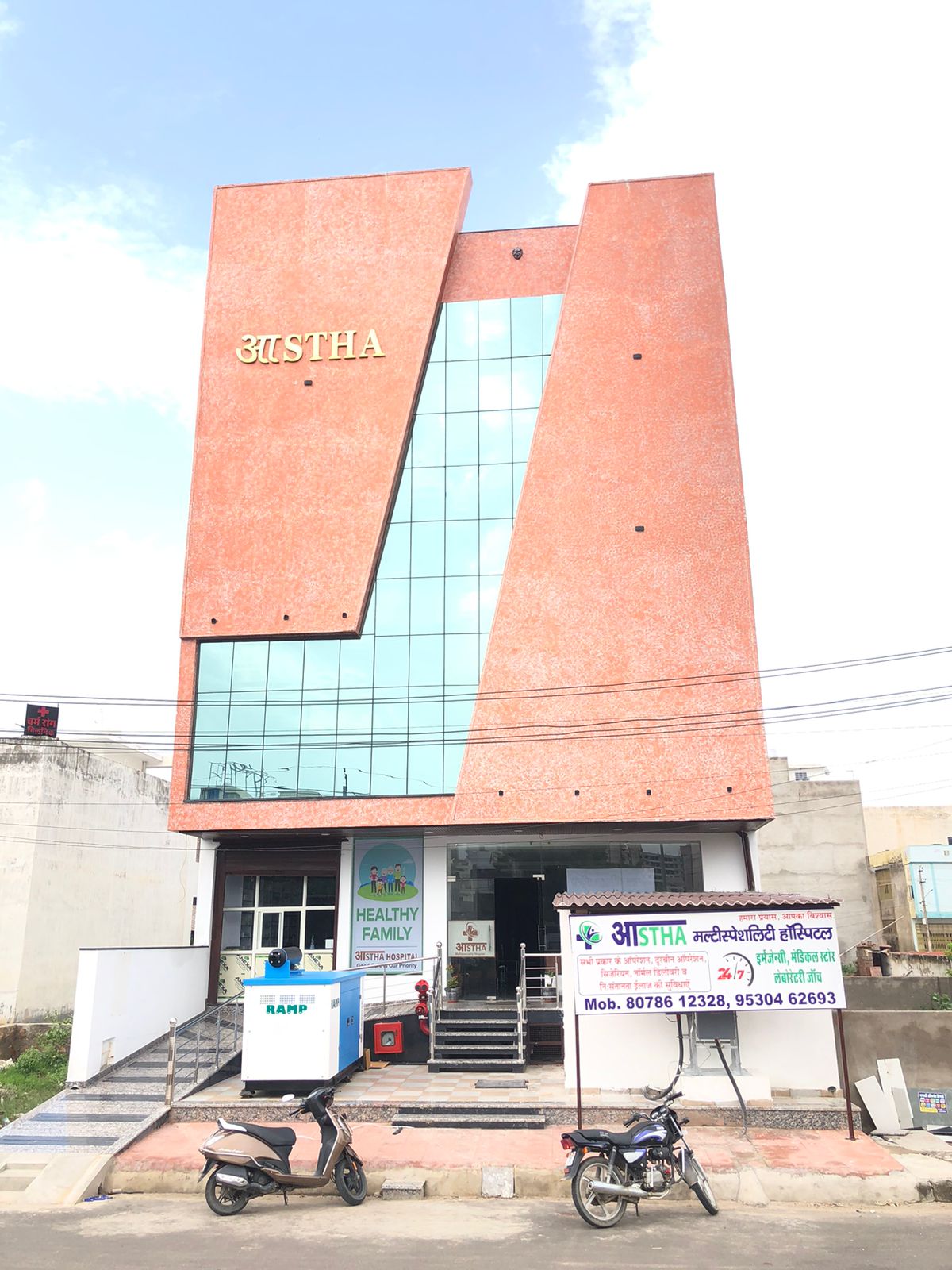
From humble beginnings to a thriving medical institution, Dr. Pankhuri Goyal Busar has been at the forefront of women’s healthcare in Jaipur. Driven by a passion for maternal and child care, Dr. Pankhuri founded Aastha Multi-Speciality Hospital in Pratap Nagar in 2019. What started as a five-bed facility has today grown into a fully equipped fifty-bed hospital, offering high-quality, cost-effective treatment across a range of specialties. In this exclusive conversation, she shares insights on evolving maternal health trends, the role of technology in modern medicine, government initiatives, and the challenges and rewards of building a trusted healthcare institution in Rajasthan.


Q: You have started Aastha Multi-Speciality Hospital in Pratap Nagar, Jaipur. How has your journey been?
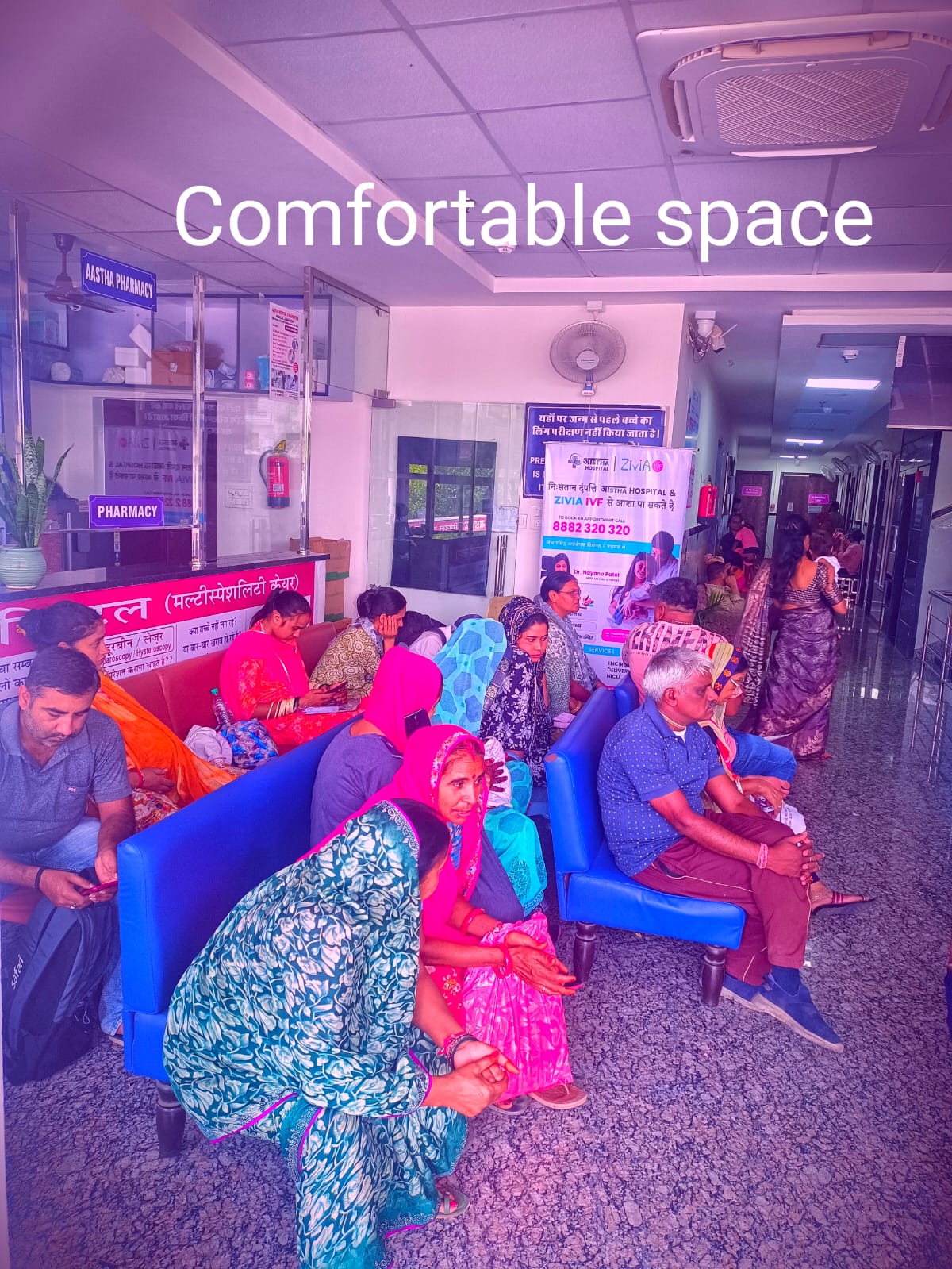
A: During my early studies, career options were limited to medicine or engineering. I was always fascinated by mother and child care, which naturally led me to gynecology. I spent eight years working at a medical college, gaining experience and insight, before opening Aastha Hospital in 2019 with just five beds. Today, it has expanded to fifty beds, with modern wards, operation theatres, ICU, and NICU facilities. We even do sonography in the night. My family’s support, especially my husband’s support, Dr. Nitin Busar, who is also a Critical Care and Anaesthesia Specialist in Aastha Hospital, has been invaluable, particularly during challenging phases. The idea behind Aastha Hospital was simple: provide high-quality, affordable healthcare, advocate for normal deliveries, and serve patients with transparency, empathy, and precision.
Q: What treatments do you specialize in, and what makes Aastha Hospital different?
A: We offer a comprehensive range of services. I personally specialize in gynecology, handling normal deliveries, C-sections, D&C, and MTPs. We also address other women’s health concerns like cysts, fibroids, and endometriosis, using minimally invasive techniques like hysteroscopy and laparoscopy. Our hospital ensures 24/7 emergency care, private rooms, and cost-effective treatment plans. Unlike many private hospitals, we focus on patient comfort, affordability, and trust, without compromising on quality.
Q: What are some common misconceptions about pregnancy among young couples today?
A: Today, awareness among patients has increased significantly, but some myths still exist. For example, people often fear that sonography or MRI could harm the baby, which is incorrect. Only CT scans and X-rays pose risks. Other misconceptions include that performing some rituals or prayers or determining gender of the child in examination can help to change the gender of the child. The reality is that gender is determined only by the male’s chromosome. If the sperm carrying X chromosome fertilises the egg, it is a girl child and if Y chromosome fertilises the egg, it is a boy. Additionally, some believe pregnant women must be hyperactive, whereas moderate activity is beneficial. Education and clear communication are key to dispelling these myths.
Q: Why has natural conception become more challenging, and why are C-sections so common today?
A: Many people think doctors suggest C-sections just to make money, but that’s not true. Nowadays, patients are more careful about the safety of both mother and baby, so they come to the hospital earlier. In the past, most deliveries happened at home without proper supervision. Medical advancements have made C-sections much safer, but they are recommended only when necessary. Normal deliveries are still safe and encouraged whenever possible. The increase in C-sections also reflects a stronger focus on reducing infant and maternal mortality rates.
Q: How do modern lifestyles affect women’s reproductive health and family life?
A: Today, many women choose to delay marriage and having children because of career priorities. This can affect reproductive health since a woman’s peak fertility years often overlap with professional goals, sometimes causing delays or complications in conceiving. Lifestyle habits like smoking, drinking, or using drugs can also reduce fertility. I always encourage women to maintain healthy routines, like yoga, regular exercise, and meditation, which boost overall well-being. Some women consider egg freezing or adoption, but nothing can replace the joy of having a child naturally. Since egg quality declines with age, timing and healthy lifestyle choices are very important.


Q: How has care for mothers after delivery changed?
A: Many old ideas about post-delivery care are still around, like avoiding salt or ghee, or overworking mothers. But new mothers actually need good nutrition and rest to recover well. Homemade foods like ladoos and iron-rich meals help the mother get stronger and improve breast milk. Postpartum depression is common, so family support in the first 40 days is very important. With modern medicine and guidance from doctors, mothers can recover safely, and care from hospitals like Aastha makes the process easier and less stressful.


Q: Is technology in healthcare a boon or a bane?
A: Technology in healthcare is mostly a boon. Machines like CT scans, MRIs, and ultrasound help detect problems early and treat them accurately. Surgeries using robots or small cuts are safer and less painful. Too much information online can make patients anxious or lead to wrong self-diagnosis. The best approach is balance: technology helps improve care, but doctors should guide patients to avoid mistakes.
Q: How do you view government initiatives in healthcare?
A: Government schemes are very helpful and important for making healthcare accessible, but many people aren’t fully aware of how to use them. Patients need to understand who is eligible and how the programs work. Also, when medicines are produced in bulk, quality can be affected, so private hospitals remain important for offering a wider range of options. Preventive measures, like breast and cervical cancer screening and vaccines, can save lives if implemented properly. That’s why educating the public about these programs is so crucial.
Q: With such a busy schedule, how do you manage your personal and professional lives?
 A: I would say don’t try to be a superwoman. It is very important to have a supportive family. We live as a joint family; I have two kids. There isn’t a single day when there is no phone in the night and almost 15 days in a month, I have to rush to the hospital for an emergency. I do feel guilty for not being there for my children. Amidst all of that, the satisfaction in seeing patients’ happiness and discharging a patient after operation and even giving a satisfactory answer to the patient in the OPD is my service to the community. Family life and professional life can only be managed with the help of family and in laws’ support.
Q: Are doctors still regarded as God, especially in light of legal cases?
A: We are humans, not gods. Our goal is to save lives and provide the best guidance. Miscommunication often creates tension between doctors and patients. Government hospitals struggle with workload, limiting personal attention. At Aastha Hospital, we emphasize transparency, patient education, and empathetic care, ensuring patients feel informed and respected. Building trust, providing personalized treatment, and enhancing emergency services are central to our philosophy.
 Q: What advice would you give young people who want to become doctors?
A: Medicine is a tough but very rewarding career. Just being good at studies is not enough. Students also need to learn how to use technology, manage their time and life, and understand money matters. There are many opportunities beyond treating patients, like research, innovation, and designing medical tools. To succeed, you need passion, hard work, intelligence, and a willingness to keep learning. Young doctors should focus on building skills, caring for patients, and keeping empathy and ethics at the core of their work.