
Charu Bhatia/Jaipur
Buisness Remedies. When we think about the biggest factors in what makes worldwide economy around, we usually think about goods and exports, but we don’t think as much about things we are drawn to every day in a cultural sense. Pop culture isn’t looked upon as a huge influence in the financial system, but it’s more important than one may think.
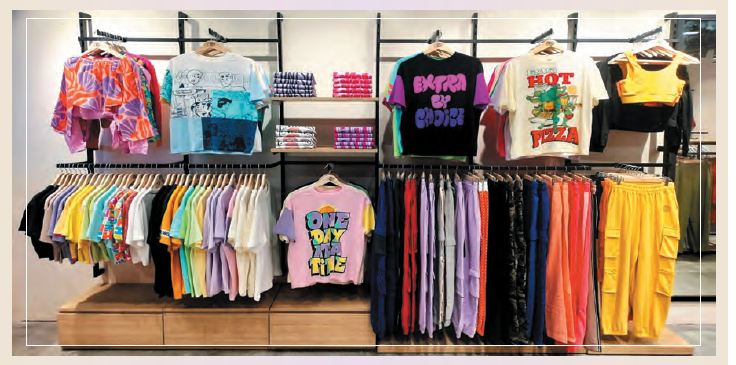
Pop culture has had a significant and far-reaching impact on the global economy. In 2025, the industry’s estimated value will exceed 2 trillion dollars, depending on consumer behavior, tourism, and social changes. Having become a driving force of modern society, it influences everything from music to fashion and has a significant impact on the job market. Certain jobs are influenced by pop culture trends, with the most prominent examples in recent years being social media influencers, content creators, gaming streamers, fashion stylists, and podcast producers. The success of movies and music has led to more job openings for actors and animators. Social media influencers have also become a major force in marketing and advertising, partnering with various brands to reach a wider range of audiences. Heavily influenced by the rise of esports and gaming in pop culture recently, gaming streamers have increased in popularity, too, with many gamers turning to streaming as a full-time career. Fashion stylists have also risen in the job industry due to the growing popularity of celebrity fashion.
Additionally, the clothing worn on the sitcom “Friends” became highly sought after, boosting sales of specific fashion items. In addition, the show’s filming locations, such as the Central Park coffee shop, grew in tourism revenue. The release of the Barbie movie led to a rise in sales of Barbie dolls, and major music artists’ concert tours generated substantial revenue through ticket sales, merchandise, and local spending. Currently, pop culture has a significant impact on the economy. It drives consumer spending through digital assets such as NFTs (non-fungible tokens) and other digital collectibles, often promoted through pop culture figures and storylines; creates new markets; and opens up new investment opportunities for different companies. This year, content creation is moving on from blogs, videos, and posts to the creation of immersive experiences, with augmented and virtual reality changing the consumption of content. According to Grand View Research, the VR market was valued at $15.81 billion in 2020, and it is predicted to skyrocket with the market and reach $50.3 billion by 2028. In this field, companies are seeking to implement virtual tours, site surveys, and virtual inspections for surveillance of industries with multiple platforms around the world. Using the revenue coming in from technology markets, companies seek to improve safety and efficiency in the development of synthetic, interactive 3D environments to boost collaboration across projects and enhance customer service.


