


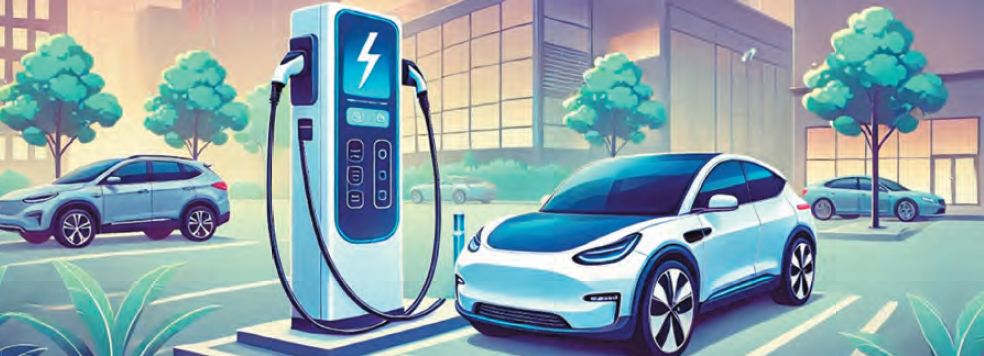
BR Team | Jaipur | In the 21st-century business landscape, one trend is driving a major transformation across industries, the rise of Electric Vehicles (EVs). What was once seen as a futuristic alternative to gasoline-powered transportation has now evolved into a mainstream movement, reshaping everything from auto manufacturing to energy, logistics, and retail. A growing market with global momentum governments around the world are pushing hard for electric mobility as part of their climate action goals. India is no exception. With support from initiatives like FAME II, PLI for advanced battery storage, and state-level EV policies, the country is witnessing an impressive surge in electric vehicle adoption.
In 2024, India saw EV sales cross 2 million units, a sharp jump from previous years. By 2030, experts project that 30% of all vehicles on Indian roads could be electric. This shift is not just about environmental responsibility, it’s becoming an economic and strategic business move.
The Rise of a New Business Ecosystem
The EV revolution is sparking opportunities far beyond traditional car manufacturing. A vast support ecosystem is emerging, creating business possibilities in battery technology and recycling, charging infrastructure and energy solutions, EV maintainance and repair services, software for fleet management ant route optimization, finance and insurance solutions tailored for EVs. Energy companies are investing in charging stations, while startups are designing battery-swapping solutions and mobile charging units. Tech firms are creating apps to monitor vehicle health and optimize EV performance. It’s a multi-layered business revolution.
Startups and Innovation Leading the Charge
India is becoming a hub for EV innovation. Startups like Ola Electric, Ather Energy, Yulu, and BluSmart are reshaping the urban mobility space. These companies are not just making vehicles; they are building entire ecosystems, from charging networks to service centers and customer engagement platforms. Globally, players like Tesla, BYD, and Lucid Motors continue to innovate in battery life, design, and autonomous driving, setting new standards and pushing traditional manufacturers to adapt or risk falling behind.
Corporate Sustainability Meets Operational Efficiency
Businesses are increasingly adopting EVs in their operations. Logistics and e-commerce firms such as Amazon, Zomato, and Flipkart are transitioning their delivery fleets to electric to reduce costs and align with sustainability goals. EVs not only lower fuel expenses but also reduce maintenance costs over time, making them a financially smart choice for large-scale operations. Moreover, as ESG (Environmental, Social, Governance) metrics become central to investment decisions, companies that embrace green mobility are likely to see long-term reputational and financial gains.
Challenges and the Road Ahead
Of course, challenges remain, limited charging infrastructure, high upfront costs, battery life concerns, and range anxiety. But these are being tackled through innovation and partnerships. New-age business models like battery leasing, charging-as-a-service, and flexible ownership are beginning to gain traction.
An Opportunity to Recharge Business
The EV revolution isn’t just a trend, it’s a transformational shift in the way the world moves and how businesses operate. Companies that adapt now will not only thrive in a cleaner future but also lead it. The road ahead is electric, and the time to accelerate is now.